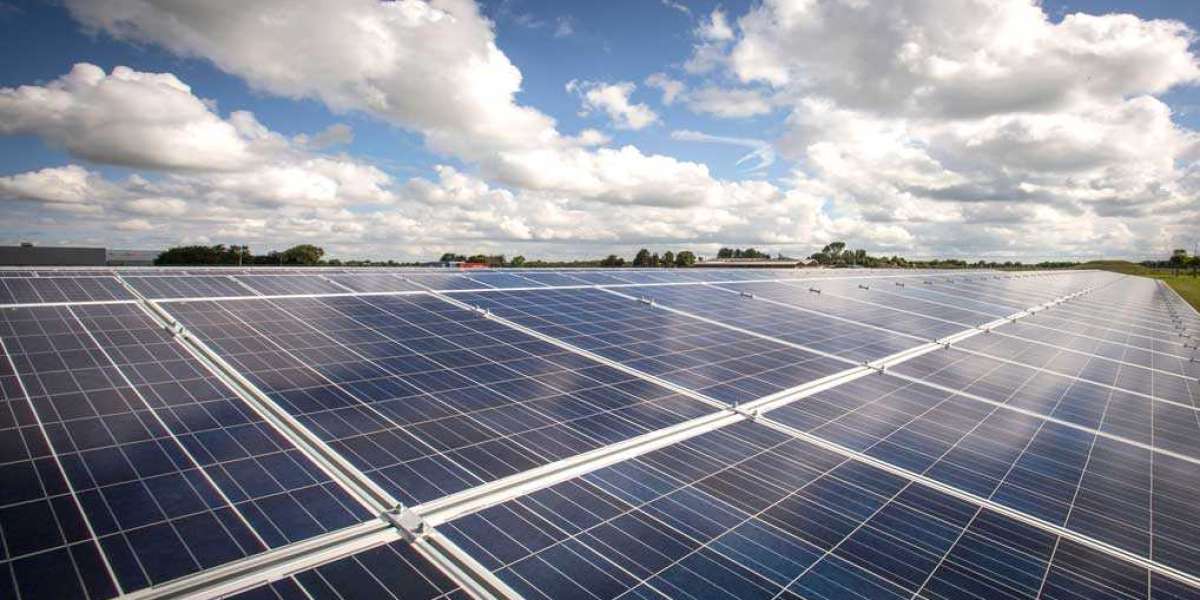

The solar microinverter market is emerging as a pivotal segment within the renewable energy industry, propelled by innovations optimizing solar photovoltaic (PV) system efficiency. With increasing adoption of rooftop solar installations globally, this market exhibits significant opportunities for business growth fueled by advanced inverter technologies and digital monitoring capabilities.
Market Size and Overview
The Global Solar Microinverter Market is estimated to be valued at USD 3.50 Bn in 2026 and is expected to reach USD 11 Bn by 2033, exhibiting a compound annual growth rate (CAGR) of 18% from 2026 to 2033.
This impressive Solar Microinverter Market Growth is driven by rising demand for decentralized solar power solutions and supportive government policies toward renewable energy adoption. Market insights highlight the expanding scope of solar microinverters in residential and commercial solar PV systems, reflecting strong industry trends focused on efficiency enhancement and grid integration.
Key Takeaways
- Dominating Region: North America leads the solar microinverter market, backed by widespread adoption of rooftop solar and government incentives; the U.S. saw a 27% increase in residential solar installations in early 2025.
- Fastest Growing Region: Asia Pacific stands out with rapidly growing demand, especially in India and China, driven by affordable solar technologies and expanding solar infrastructure projects.
- Segment Categories:
- Product Type: String microinverters dominate due to their scalability; however, module microinverters exhibit the fastest growth as exemplified by a 2024 launch of a module microinverter by a leading manufacturer improving module-level monitoring.
- End-User Industry: Residential applications hold dominant industry share, with significant growth in commercial sectors, as seen in the solar microinverter deployment in commercial PV projects across southern Europe in 2025.
- Installation Type: Grid-tied systems are the dominant sub-segment, while hybrid installations reflect rapid adoption rates, particularly in remote or off-grid regions supported by recent policy frameworks encouraging energy storage integration.
Market Key Trends
An influential trend shaping the solar microinverter market is the integration of smart monitoring and IoT-enabled platforms into microinverter systems. In 2024, a key player launched an advanced microinverter equipped with AI-based diagnostics and remote power optimization, significantly enhancing system reliability and predictive maintenance capabilities. This technological leap is lowering operational risks and minimizing downtime, directly contributing to rising market revenue.
Such innovations support the business growth of market players by improving customer experience and reducing the total cost of ownership for solar PV systems. The shift toward digitalized energy solutions is a critical market driver, as reflected in comprehensive market analysis, fueling increased adoption in residential and commercial sectors worldwide.
Key Players
The market companies currently shaping the solar microinverter market landscape include SMA Solar Technology AG, Canadian Solar, SolarEdge Technologies Inc., Complete Solaria, and Delta Electronics, Inc., among others. Recent innovations and market growth strategies from these companies include strategic partnerships for product co-development and geographic expansions in emerging economies.
For example, in 2025, one manufacturer expanded its distribution network across Southeast Asia, resulting in enhanced market share and improved revenue streams. Another key player invested in RD focusing on next-gen microinverters featuring improved power conversion efficiency. These market growth strategies underline a competitive yet collaborative market environment supporting ongoing industry trends.
FAQs
Q1: Who are the dominant players in the Solar Microinverter Market?
Key market players include SMA Solar Technology AG, Canadian Solar, SolarEdge Technologies Inc., Complete Solaria, and Delta Electronics, Inc., leading through continuous innovation and strategic expansions.
Q2: What will be the size of the Solar Microinverter Market in the coming years?
The market size is projected to grow from USD 3.50 billion in 2026 to USD 11 billion by 2033, demonstrating strong market dynamics and robust growth potential.
Q3: Which end-user industry has the largest growth opportunity in the Solar Microinverter Market?
The residential sector dominates the market, with commercial installations exhibiting rapid growth fueled by increasing solar adoption in corporate and industrial settings.
Q4: How will market development trends evolve over the next five years in the Solar Microinverter Market?
Future trends will focus on smart and IoT-enabled microinverters, enhancing system monitoring and predictive maintenance, thereby driving increased market revenue and customer satisfaction.
Q5: What is the nature of the competitive landscape and challenges in the Solar Microinverter Market?
The market is competitive, with challenges including high initial costs and technical integration with existing solar infrastructure; however, ongoing innovations and strategic partnerships are facilitating business growth.
Q6: What go-to-market strategies are commonly adopted in the Solar Microinverter Market?
Market players prioritize strategic partnerships, geographic expansion, and product innovation to strengthen market share and capitalize on emerging market opportunities.
‣ Get this Report in Japanese Language: ソーラーマイクロインバーター市場
‣ Get this Report in Korean Language: 태양Microinverter가격표
About Author:
Ravina Pandya, Content Writer, has a strong foothold in the market research industry. She specializes in writing well-researched articles from different industries, including food and beverages, information and technology, healthcare, chemical and materials, etc.