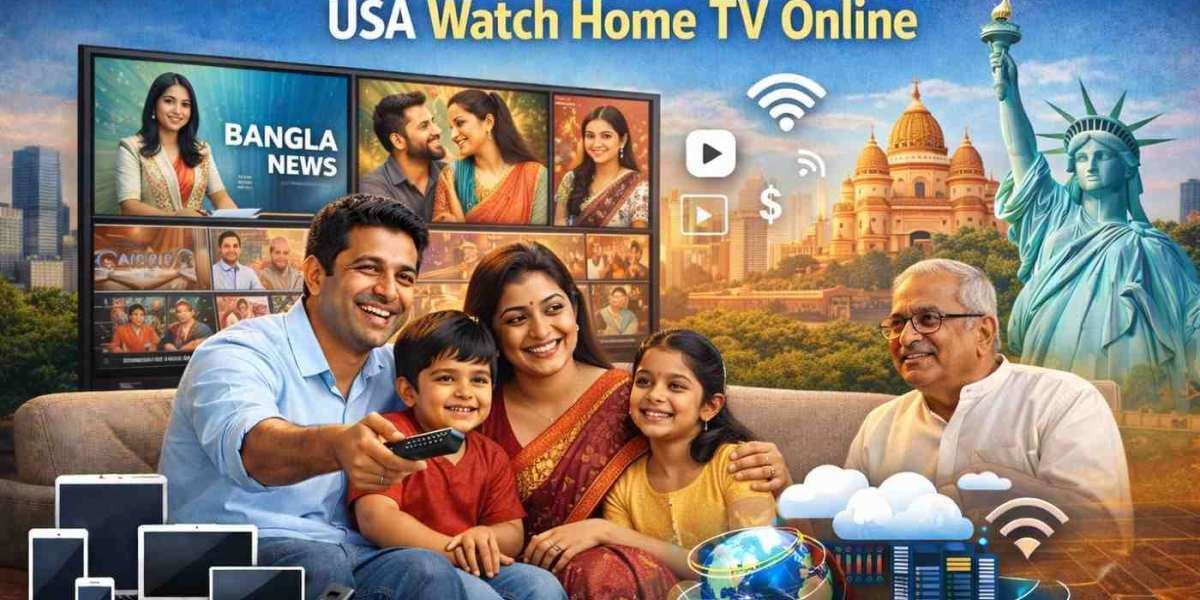

People who move to a new country often bring many parts of their culture with them—language, food, traditions, and everyday habits. For Bengali communities living in the United States, television is one of the most important ways to stay connected to life back home. Watching familiar shows, news, and cultural programs helps them maintain a strong link to their roots.
In the past, watching television from another country was not easy. Traditional cable and satellite services rarely offered regional channels from specific parts of India or Bangladesh. Even when they did, options were limited. Today, internet streaming has changed everything. Bengali families in the USA can now watch television from their home regions through online technology that delivers content directly to their screens.
This article explains how Bengali communities in the United States access home television through internet streaming, why it matters culturally, and how the technology works in simple terms.
Cultural Importance of Regional TV
For immigrant communities, media in their native language plays an important role in maintaining identity. Television is more than just entertainment—it is a connection to language, tradition, and shared experiences.
Bengali television includes a wide range of content that reflects everyday life and culture, such as:
News from local cities and regions
Family dramas and serials
Cultural and festival programming
Music and film content
Educational shows
Religious broadcasts
Talk shows and community discussions
These programs help Bengali viewers stay informed about what is happening in their home country. They also help families continue cultural traditions, even while living far away.
For parents, regional television helps children learn the Bengali language and understand cultural values. Children who grow up in the United States may not experience daily life in Bengal directly, so television becomes an important learning tool.
Older family members often rely heavily on regional TV for emotional comfort. Watching familiar programs reduces feelings of distance and helps them feel connected to home.
In many households, television becomes a shared cultural space where family members gather to watch programs that remind them of their heritage.
Access Limitations Abroad
Although the desire to watch Bengali television is strong, accessing it from outside the home country has traditionally been difficult. Several barriers made it challenging for immigrant communities.
Limited availability on cable systems
Most American cable providers focus on local programming and major international networks. Smaller regional language channels are often not included.
Expensive international packages
Some providers offer international channel bundles, but they can be expensive and still provide only a small number of regional options.
Geographic broadcasting restrictions
Many TV networks broadcast only within specific countries. Traditional distribution systems are not designed for global access.
Fixed broadcast schedules
Cable television follows strict time slots. Time zone differences between the USA and South Asia can make live viewing inconvenient.
Installation challenges
Satellite dishes or specialized equipment may be required, and installation may not be allowed in some housing areas.
Limited flexibility
Traditional TV usually supports viewing on one screen at a time, which can be inconvenient for families with different preferences.
Because of these challenges, many Bengali households began searching for alternative ways to access home television more easily.
How Internet Streaming Solves the Problem
Internet streaming has transformed how people around the world watch television. Instead of receiving signals through cables or satellites, streaming delivers video content through the internet.
This change removes geographic barriers. As long as viewers have an internet connection, they can access programs from almost anywhere.
Streaming platforms allow Bengali families in the USA to watch live broadcasts, recorded shows, and on-demand programs whenever they choose. This flexibility makes it easier to fit viewing into busy daily schedules.
Many viewers now use services such as bengali iptv in usa to access regional television channels through internet-based systems that deliver content digitally instead of through traditional broadcasting.
Streaming also allows viewers to watch programs at times that match their lifestyle, not the original broadcast time. This is especially useful when dealing with time zone differences.
Technology Explanation
Understanding the basic technology behind streaming helps explain why it works so well across long distances.
Traditional television sends signals continuously through cables or satellites. Internet streaming works differently. It sends video in small digital pieces over the internet.
Here is a simple explanation of the process:
Digital encoding
Television programs are converted into digital data that computers can transmit and display.
Content storage and distribution
The digital video is stored on powerful servers. When a viewer selects a program, the server sends small packets of data through the internet.
Continuous playback
The viewer’s device receives these packets and plays them immediately, creating smooth video playback without downloading the entire file first.
Live broadcast streaming
For live television, cameras capture video in real time. The signal is instantly encoded and transmitted through servers to viewers.
Adaptive streaming quality
Streaming systems automatically adjust video quality based on internet speed. Faster connections allow clearer, higher-resolution video.
This technology makes it possible to deliver television content globally with minimal delay.
Devices Used for Streaming
One major advantage of internet television is that it works on many different devices. Bengali families in the United States use various screens depending on their daily routines.
Smart TVs
Many households stream directly on internet-connected televisions. This provides a traditional viewing experience with modern flexibility.
Mobile phones and tablets
Younger viewers often watch shows on portable devices, allowing them to enjoy content anywhere.
Streaming boxes and sticks
These small devices connect to regular televisions and enable internet-based viewing.
Laptops and desktop computers
Some viewers prefer watching on computers, especially for news or long-form programs.
Home internet connection
A stable broadband connection is the most important requirement for smooth streaming.
Because streaming supports multiple devices, different family members can watch different programs at the same time.
Viewing Experience in Immigrant Households
Streaming has changed how Bengali families watch television in daily life.
Morning routines often include watching regional news to stay updated on events back home. This helps families remain informed about politics, weather, and community developments.
Evenings are commonly reserved for serial dramas and entertainment shows. Many families watch together, maintaining a tradition of shared viewing.
Weekend viewing often includes movies, cultural programs, and festival broadcasts. Special events such as religious celebrations are especially meaningful.
Younger viewers may watch content on demand rather than following fixed schedules. They often switch between devices depending on convenience.
Because of time differences, many families watch recorded or delayed broadcasts instead of live programs. Streaming makes this easy.
Multi-screen viewing is also common. Parents, children, and grandparents may each watch different programs at the same time without interruption.
Overall, streaming has made television viewing more flexible and personalized.
Convenience and Accessibility
Internet streaming offers several practical advantages for Bengali communities living abroad.
Global access
Content can be viewed from almost anywhere with an internet connection.
Flexible viewing times
Programs can be watched live or later, depending on personal schedules.
Multiple device support
Viewers can switch between TV, phone, tablet, or computer.
Simple setup
No satellite installation or complex wiring is needed.
Wide content selection
Streaming often provides more regional programming than traditional TV.
Family-friendly viewing
Multiple users can watch different content simultaneously.
These features make streaming especially suitable for modern immigrant lifestyles.
Future Trends
The future of international television access continues to evolve with technology.
Faster internet speeds will support higher-quality video, including ultra-high-definition streaming. Improved compression methods will reduce buffering and improve playback stability.
Artificial intelligence may provide more accurate program recommendations based on language and viewing habits.
Interactive features could allow viewers to participate in live shows or connect with other viewers worldwide.
Global digital distribution is also expanding, making regional content easier to access across borders.
For immigrant communities, these developments will make staying connected to home even easier.
Conclusion
For Bengali communities living in the United States, television from home is an important link to language, culture, and identity. Traditional cable and satellite systems often cannot provide sufficient access to regional programming due to cost, availability, and geographic limitations.
Internet streaming offers a practical and flexible solution. By delivering digital video through the internet, streaming allows families to watch live and recorded programs from their home regions on multiple devices, at times that fit their schedules.
Beyond convenience, regional television provides emotional connection, cultural continuity, and shared family experiences. As technology continues to improve, access to home television will become even more seamless, helping Bengali communities maintain strong ties to their heritage while building new lives abroad.