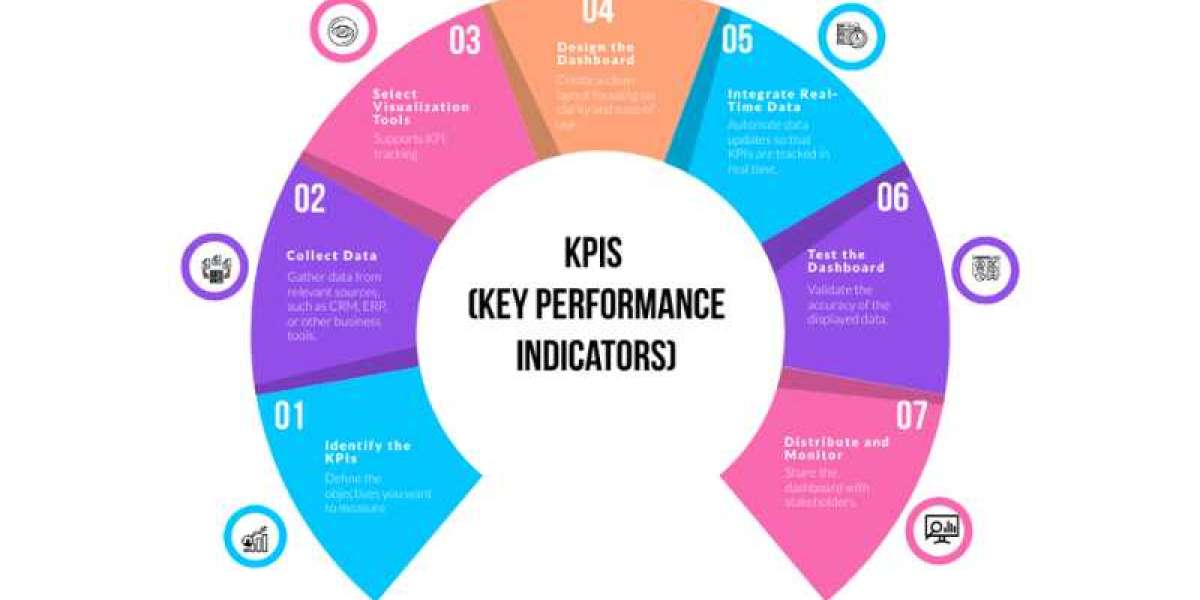

In today’s fast-moving industry, manufacturing CEOs cannot depend only on reports and spreadsheets. They need clear data, real-time insights, and quick decisions. This is where Power BI dashboards for manufacturing make a big difference.
A smart CEO always tracks the right manufacturing dashboard KPI to improve production, reduce costs, and increase profits. With the help of business intelligence for manufacturing, leaders can see what is working and what needs attention — all in one place.
In this article, we will explore 7 must-have dashboards every manufacturing CEO should use to run operations smoothly and grow faster.
Why CEOs Need Manufacturing Dashboards
Manufacturing businesses deal with many moving parts — machines, workers, raw materials, supply chains, and customers. Without proper data tracking, problems stay hidden.
A good manufacturing dashboard KPI system helps CEOs:
- Monitor real-time production
- Track plant performance
- Control operational costs
- Improve decision-making
- Increase overall efficiency
Using Power BI for manufacturing, companies can turn raw data into simple visuals that are easy to understand.
Now let’s look at the most important dashboards.
1. Production Performance Dashboard
This is the most important dashboard for any manufacturing CEO.
It shows daily, weekly, and monthly production numbers. It tracks output vs target and highlights delays. A strong production KPI dashboard helps leaders quickly see if production goals are being achieved.
Key metrics often include:
- Production volume
- Downtime hours
- Machine efficiency
- Shift performance
With real-time manufacturing analytics, CEOs can act immediately instead of waiting for end-of-month reports.
2. Overall Equipment Effectiveness (OEE) Dashboard
Machines are the heart of manufacturing. If machines are not performing well, profits drop.
An OEE dashboard in Power BI measures:
- Availability
- Performance
- Quality
This manufacturing dashboard KPI shows how efficiently machines are running. CEOs can easily identify underperforming equipment and reduce breakdown time.
Better equipment performance means higher output and lower cost.
3. Financial Performance Dashboard
Every CEO wants one clear answer: “Are we making profit?”
A manufacturing financial dashboard shows revenue, cost, gross margin, and operating expenses. It connects production data with financial results.
With Power BI dashboards for manufacturing CEOs, leaders can compare:
- Cost per unit
- Budget vs actual
- Plant-wise profitability
- Year-over-year growth
This dashboard supports smart financial planning and investment decisions.
4. Inventory Management Dashboard
Too much inventory blocks cash. Too little inventory stops production.
A well-designed inventory KPI dashboard for manufacturing helps CEOs balance stock levels. It tracks:
- Raw material levels
- Finished goods
- Slow-moving inventory
- Inventory turnover ratio
Using business intelligence for manufacturing, companies can reduce waste and improve supply chain control.
5. Quality Control Dashboard
Quality problems damage brand trust and increase rework costs.
A quality management dashboard shows defect rates, rejection rates, and customer complaints. This manufacturing dashboard KPI allows CEOs to see patterns and fix issues quickly.
When quality improves, customer satisfaction increases — and so do profits.
6. Supply Chain Procurement Dashboard
Delays in supply chain can stop production completely.
A supply chain dashboard in Power BI tracks supplier performance, delivery timelines, and purchase costs. CEOs can see which suppliers are reliable and which are causing delays.
With real-time manufacturing data insights, leaders can avoid stock shortages and reduce procurement risks.
7. Workforce Performance Dashboard
People are as important as machines.
A workforce performance dashboard tracks attendance, productivity, overtime, and labor cost per unit. This important manufacturing dashboard KPI helps CEOs manage workforce efficiency without increasing unnecessary expenses.
Clear workforce insights lead to better planning and improved team performance.
How Power BI Helps Manufacturing CEOs
Using Power BI for manufacturing, CEOs can bring all dashboards into one single view. Instead of checking different reports, everything is visible on one screen.
Benefits include:
- Real-time data updates
- Easy-to-understand visuals
- Mobile access
- Secure data sharing
- Faster decision-making
Many manufacturing companies trust experts like addendanalytics.com to design customized manufacturing KPI dashboards that match their business goals.
Choosing the Right KPIs for Your Business
Not every KPI works for every company. The right manufacturing dashboard KPI depends on your industry, plant size, and business goals.
Start by asking:
- What affects our profits the most?
- Where do we lose time or money?
- Which data do we check most often?
Then build dashboards around those answers.
Conclusion
In modern manufacturing, data is power. CEOs who use smart dashboards always stay ahead of competitors.
These 7 essential Power BI dashboards for manufacturing help track production, quality, finance, inventory, supply chain, and workforce performance. When the right manufacturing dashboard KPI is monitored daily, businesses grow faster and operate more smoothly.
If you want clear insights, better control, and stronger profits, investing in the right business intelligence for manufacturing solution is no longer optional — it is necessary.
Frequently Asked Questions (FAQ)
What is a manufacturing dashboard KPI?
A manufacturing dashboard KPI is a key performance indicator shown in a visual dashboard. It helps track production, efficiency, cost, and quality in real time.
Why should CEOs use Power BI in manufacturing?
Power BI for manufacturing helps CEOs see real-time data, track performance, and make faster decisions without waiting for manual reports.
Which KPIs are most important in manufacturing?
Common important KPIs include OEE, production output, downtime, defect rate, inventory turnover, and cost per unit.
Can small manufacturing companies use Power BI?
Yes. Even small companies can use Power BI dashboards for manufacturing to improve visibility and control operations effectively.