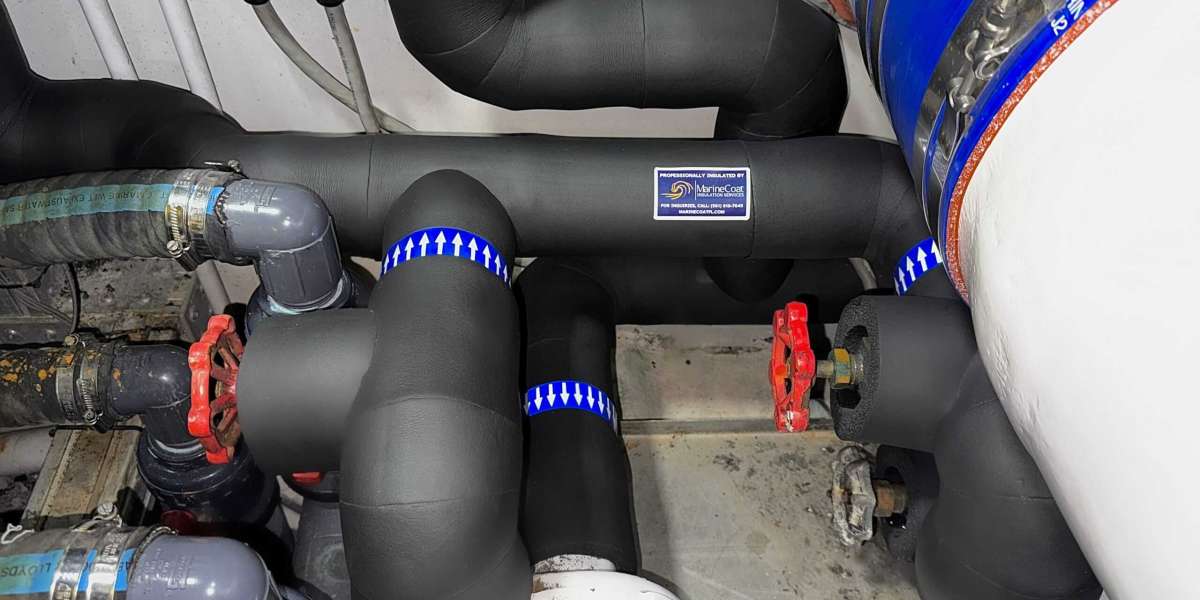

When it comes to the maintenance and operational efficiency of vessels, marine pipe insulation plays a crucial role in improving safety, preventing corrosion, and enhancing overall ship performance. Marine insulation companies offer specialized solutions to ensure that piping systems on ships function optimally, reducing energy waste and minimizing potential risks. This article delves into how marine pipe insulation enhances the safety and efficiency of ships, benefiting both shipowners and crews.
The Importance of Marine Pipe Insulation
The marine environment is harsh, with vessels exposed to extreme temperatures, salty air, and constant moisture. In such conditions, the integrity of a ship’s piping system can be compromised without the proper protection. Marine pipe insulation acts as a safeguard against these environmental challenges. By covering pipes with high-quality insulation materials, it ensures that the pipes remain safe from damage caused by temperature fluctuations, condensation, and corrosive saltwater.
Marine insulation companies focus on creating solutions that shield pipes from thermal effects, reducing the risk of freezing in cold conditions or overheating in hotter climates. Additionally, these materials help to maintain the temperature of fluids transported through pipes, ensuring that the systems work efficiently without unnecessary energy loss.
Boosting Ship Safety with Marine Pipe Insulation
The safety of a ship and its crew is paramount. Marine pipe insulation significantly contributes to ship safety by preventing heat-related accidents. High-temperature pipes, such as those in engine rooms or steam systems, can be dangerous if left uninsulated. Without proper insulation, these pipes can reach extreme temperatures that pose a serious risk to crew members working nearby.
Insulation materials act as a thermal barrier, protecting crew members from direct contact with hot surfaces and preventing the risk of burns or heat stress. Moreover, by reducing the surface temperature of pipes, marine pipe insulation helps lower the chances of accidental fires, which can spread quickly in confined spaces like a ship’s engine room.
Marine insulation companies design pipe insulation that adheres to international safety standards, providing ships with the necessary protection to comply with regulations set by maritime authorities. These standards ensure that the insulation materials used are not only effective at preventing burns and fire hazards but also environmentally friendly and durable enough to withstand the wear and tear of marine conditions.
Enhancing Ship Performance and Efficiency
The performance of a ship is closely tied to the efficiency of its systems, especially the piping infrastructure. Without the proper insulation, pipes can lose a significant amount of heat or cold, which leads to unnecessary energy consumption. Marine pipe insulation helps maintain the desired temperature of fluids flowing through the pipes, preventing energy loss and making the vessel more energy-efficient.
For example, insulated pipes in heating or cooling systems reduce the need for extra energy to maintain temperature stability. The insulation also prevents heat loss in steam pipes, which enhances the efficiency of boilers and other heat-generating systems. In turn, the ship’s energy consumption is optimized, reducing fuel costs and contributing to a more sustainable and cost-effective operation.
In addition, marine pipe insulation helps reduce the noise and vibration associated with the ship’s mechanical systems. By dampening these disturbances, it creates a more comfortable environment for the crew while also minimizing the potential for mechanical wear. This means fewer repairs and reduced downtime, contributing to the ship’s overall performance and longevity.
Protection Against Corrosion and Moisture
One of the primary functions of marine pipe insulation is to prevent corrosion. Ships are constantly exposed to moisture, which can lead to the accumulation of rust and other forms of corrosion on unprotected pipes. Without proper insulation, the pipes are more vulnerable to the corrosive effects of saltwater and humidity, leading to faster degradation and the need for more frequent repairs.
By covering the pipes with high-quality marine pipe insulation, moisture is kept away from the metal surfaces. This protective layer acts as a shield, preventing the corrosion process and extending the lifespan of the pipes. Furthermore, insulation helps to maintain the structural integrity of the ship by preventing water from seeping into the ship’s compartments, reducing the risk of mold and mildew growth.
The use of advanced insulation materials by marine insulation companies ensures that corrosion resistance is maximized, offering long-term protection for ships operating in the harshest conditions.
Contributing to Environmental Sustainability
The marine industry is increasingly focused on sustainability and reducing its carbon footprint. Marine pipe insulation plays a key role in these efforts. By improving energy efficiency and reducing the amount of fuel consumed, ships are able to lower their emissions, contributing to environmental protection.
Marine insulation materials are often designed with eco-friendly properties, making them not only effective in performance but also in reducing the environmental impact. Many modern insulation materials are recyclable and non-toxic, supporting the global push towards more sustainable shipping practices.
Cost-Effectiveness and Long-Term Benefits
While the initial investment in marine pipe insulation may seem costly, the long-term benefits far outweigh the expense. Insulation helps ships to save on energy costs, prevent costly repairs due to corrosion, and reduce downtime for maintenance. These savings can make a significant difference in the operating costs of a vessel over time.
Additionally, properly insulated pipes lead to a more comfortable and safer working environment for the crew, improving overall job satisfaction and reducing the risk of workplace accidents. This, in turn, enhances the productivity of the crew and ensures that the ship operates smoothly and efficiently.
Conclusion
In conclusion, marine pipe insulation is an essential component of modern ship design, significantly enhancing ship safety, performance, and energy efficiency. By protecting pipes from extreme temperatures, corrosion, and moisture, marine pipe insulation ensures that vessels operate at their highest potential while minimizing risks to crew members. Marine insulation companies play a vital role in providing high-quality, durable solutions that help ships meet safety standards and achieve optimal performance. With the added benefits of cost-effectiveness and environmental sustainability, marine pipe insulation is undoubtedly a crucial investment for the maritime industry.