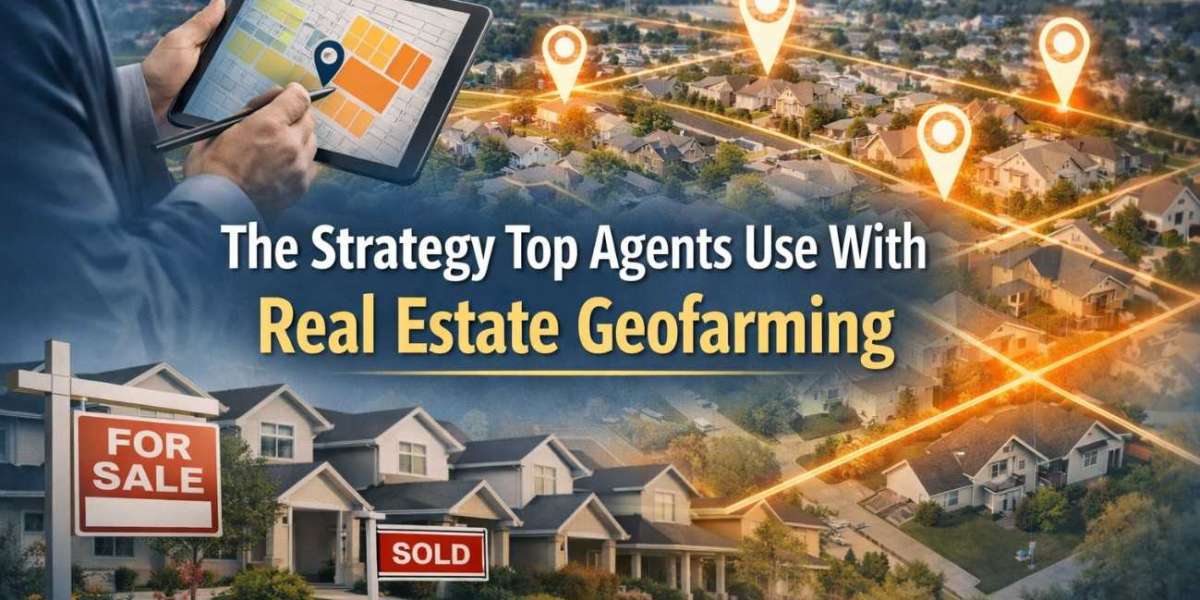

Top agents do not rely on random luck to get listings. Instead, they use a clear system that keeps their name in front of the same homeowners every month. That system focuses on consistent neighborhood outreach. However, the way top agents use it is very different from how most agents try it.
Many agents send a few postcards and hope for calls. Meanwhile, top agents follow a structured plan that turns one neighborhood into a steady source of listings. This is not about sending more mail. It is about using real estate geofarming with purpose, timing, and positioning. This is the strategy that separates market leaders from agents who struggle to stay visible.
The First Step: Pick One Neighborhood and Commit
Top agents never spread their budget across dozens of areas. Instead, they select one primary neighborhood and commit to it for at least twelve months.
They choose areas based on:
- Number of homes
- Average home value
- How often do homes sell
- How many different agents are listed there
If too many listings belong to one agent, they move on. If listings are scattered among many agents, that neighborhood becomes a strong target. This allows real estate geofarming to work because no one else owns the attention of those homeowners.
Commitment matters because familiarity grows through repetition. Without it, your message fades.
Step Two: Control the Visual Space
Top agents make their brand impossible to miss. Their photo, logo, and message stay the same across every postcard, email, and online ad.
Homeowners see the same face again and again. Because of that, recognition builds. When people recognize you, they trust you more. That trust is what turns neighborhood marketing into listings.
They do not change styles every month. Instead, they create a strong visual identity and repeat it.
Step Three: Send the Right Message at the Right Time
Top agents do not beg for business. They position themselves as the neighborhood guide.
Their messages include:
- Homes that recently sold
- Price changes in the area
- How buyer demand is shifting
- Tips for homeowners
These updates feel helpful. As a result, people read them instead of throwing them away. This is where real estate geofarming becomes powerful. Homeowners start seeing the agent as the person who knows what is happening locally.
Step Four: Stay Visible Every Month
The biggest secret behind estate geofarming is consistency. Top agents never disappear.
They send at least one postcard or letter every month. They also show up in social ads and email inboxes. Because of that, their name never fades.
While other agents come and go, they stay. That steady presence creates authority.
Step Five: Use Digital Follow-Up to Multiply Results
Print gets attention. Digital builds engagement.
Top agents run online ads that only show to homeowners inside their farm area. They also send market emails and lead homeowners to simple landing pages.
This means when someone scans a QR code from a postcard, they enter the agent’s digital system. From there, follow-up continues automatically. That combination is what makes estate geofarming so effective.
Step Six: Track Which Homes Respond
Top agents track every response. They know who visited their site, who opened emails, and who asked for a home value.
Then they focus more attention on those homes. They may send personal letters or make soft follow-up calls.
This targeted follow-up turns warm homeowners into listings.
Step Seven: Repeat Until You Own the Area
After six to twelve months, something powerful happens. Homeowners start to associate the neighborhood with one agent.
They see your name on mail. They see you online. They hear about your listings. As a result, you become the default choice. That is when the strategy stops being simple marketing and starts becoming true market control.
Why This Strategy Works When Others Fail
Most agents try real estate geofarming without structure. They stop too soon, change their message too often, or target too many areas.
Top agents stay focused. They stay visible. They stay consistent. Because of that, their neighborhoods send them business even when the market slows.
Conclusion
The strategy top agents use with real estate geofarming is simple but powerful: focus on one neighborhood, stay visible, provide value, and repeat. That steady presence builds trust, authority, and predictable listings over time.
Start using real estate geofarming with Harvist to secure long-term neighborhood visibility, build homeowner trust, and grow listings through real estate geofarming that keeps your brand visible month after month.
FAQs
How long does real estate geofarming take to produce listings?
Most agents begin seeing responses within three to six months. However, stronger listing flow usually appears after consistent outreach across a full year.
How many homes should I target in a neighborhood farm?
A range of 300 to 800 homes works best. This size keeps costs controlled while still creating enough sales activity for steady listing opportunities.
What type of content works best for neighborhood farming?
Market updates, recent sales, price trends, and local news perform well. These topics keep homeowners informed while building your image as the local expert.