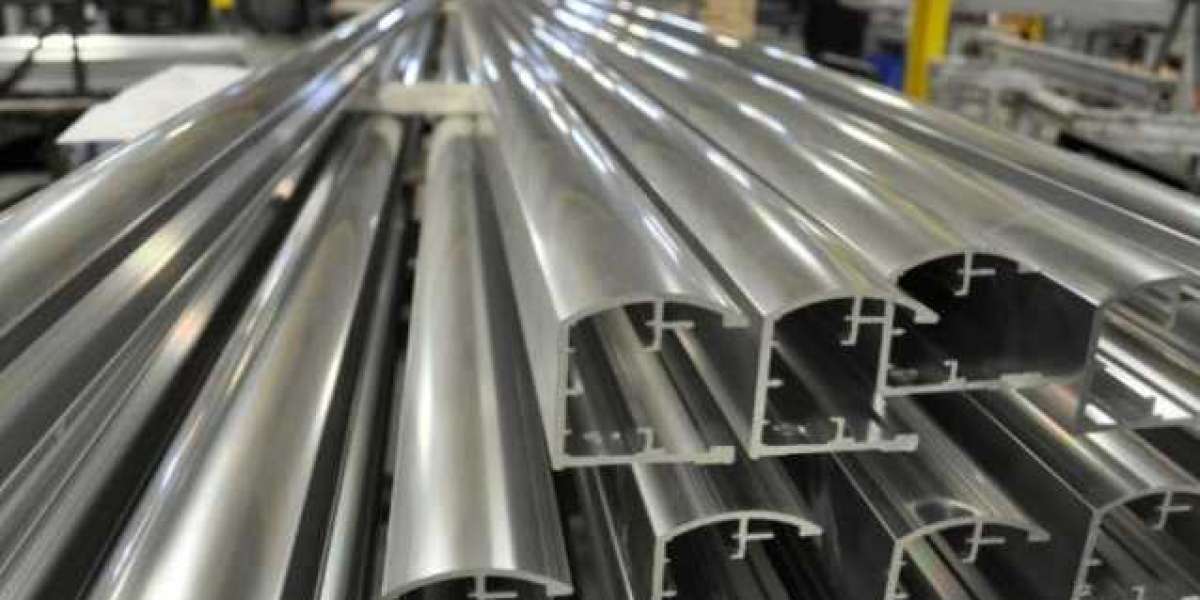

Modular aluminum systems have emerged as a cornerstone for engineers, designers, and project managers seeking reliable, scalable structural solutions. These systems provide the versatility to construct machine frames, workstations, safety enclosures, display systems, and architectural elements while maintaining strength and minimizing weight.
Aluminum profiles, when combined with modular connectors and panels, allow structures to be assembled, reconfigured, and expanded with ease. This adaptability not only reduces long-term costs but also enables projects to evolve as operational or design requirements change. For businesses looking to integrate advanced solutions into their operations, understanding the full potential of modular aluminum systems is key.
Understanding the Advantages of Modular Aluminum Systems
Modular aluminum systems have transformed industrial and commercial design by offering a combination of strength, precision, and lightweight construction. Unlike traditional welded steel frameworks, modular aluminum profiles are assembled using connectors, fasteners, and panels, reducing labor time and making reconfiguration easier.
For industrial applications, these systems are used to build machine frames, automation structures, conveyor supports, and ergonomic workstations. Their precise tolerances ensure that equipment operates efficiently while reducing the risk of misalignment or vibration. In commercial and architectural applications, modular aluminum systems support partitions, illuminated displays, signage, and decorative frameworks that require both functionality and visual appeal.
System-Based Design for Maximum Efficiency
The true value of modular aluminum systems is realized when they are treated as part of an integrated framework. Profiles, connectors, panels, and accessories are designed to work together, creating a unified structure that simplifies assembly and reduces the potential for errors.
A system-based approach allows designers to select compatible components without worrying about mismatched fittings or unsupported loads. This method also makes future modifications, expansions, or reconfigurations far easier, as standardized components integrate seamlessly with new parts.
By using modular systems, businesses can maintain consistency across multiple projects. This is particularly valuable in manufacturing facilities, laboratories, and commercial environments where repeatable, reliable structures are critical for operational efficiency.
Customization for Specific Needs
While standard profiles work for many projects, certain applications require customization. Custom profiles can include specific lengths, drilled holes, integrated mounting features, or unique cross-sectional designs. These adaptations allow engineers to optimize their structures for strength, space efficiency, and specific operational requirements.
By offering customizable solutions, modular aluminum suppliers enable businesses to create structures that are precisely tailored to their projects, reducing the need for secondary machining or modifications on site. This saves time, lowers labor costs, and ensures that assemblies meet exact specifications.
Energy Efficiency and Sustainable Design
Aluminum is naturally lightweight, strong, and corrosion-resistant. When combined with modular systems, it provides long-lasting structures that require minimal maintenance. Many modern systems also incorporate LED lighting and other energy-efficient components, making them ideal for illuminated displays, workstations, and safety panels.
From a sustainability perspective, aluminum is fully recyclable, and modular construction encourages reuse rather than disposal. Components can be repurposed or reconfigured for new projects, reducing material waste and supporting environmentally responsible practices.
Applications Across Multiple Industries
The versatility of modular aluminum systems makes them suitable for a wide range of industries:
Industrial Automation: Machine frames, safety guarding, conveyor supports, and robotic enclosures.
Commercial Spaces: Display systems, signage frames, partitions, and illuminated panels.
Laboratories and Offices: Adjustable workstations, equipment supports, and storage frameworks.
Events and Exhibitions: Modular walls, portable displays, and configurable structures for trade shows.
Architectural Installations: Decorative frameworks, ambient lighting systems, and integrated partitions.
In each application, the combination of aluminum extrusions, connectors, and panels allows for flexibility, repeatability, and precision that traditional construction methods cannot match.
Streamlining Design and Assembly
One of the strongest advantages of modular aluminum systems is how they simplify design and assembly. Profiles come with T-slots and channels for easy attachment of connectors, panels, and accessories. Designers can plan complete systems in advance, reducing the potential for errors during construction.
Technical documentation, available online, provides information on load capacities, profile geometry, and recommended connectors, allowing engineers to make informed choices. This ensures that structures are stable, functional, and safe from the outset.
Assembly is further simplified by standardized components. Modules can be joined without welding, extended or shortened as needed, and integrated into larger frameworks efficiently. This not only reduces labor costs but also accelerates project timelines.
Long-Term Reliability and Maintenance
Durability is a key consideration in industrial and commercial applications. Modular aluminum systems are designed for longevity, with profiles that resist corrosion and deformation, and components that maintain alignment over time.
Maintenance is simplified through modularity. Individual panels, connectors, or lighting modules can be replaced without dismantling the entire structure. This minimizes downtime and ensures that installations remain functional and visually appealing for years.
Supporting Innovation and Adaptability
Modular aluminum systems encourage innovation by allowing structures to evolve with operational needs. As production lines expand, commercial spaces are updated, or event layouts change, existing frameworks can be modified rather than rebuilt from scratch.
This adaptability reduces costs, extends the lifecycle of installed systems, and supports businesses in responding quickly to changing requirements. By exploring available profiles and accessory options, designers can discover more ways to enhance functionality and efficiency.
Why a Trusted Supplier Matters
A trusted supplier of modular aluminum systems provides more than just profiles—they offer expertise, technical support, and system-based solutions. By supplying catalogs, specifications, and guidance, suppliers enable engineers to plan projects accurately and select the right components for every application.
Classicmodul exemplifies this approach by offering modular aluminum profile systems that integrate precision, compatibility, and adaptability. Their online resources allow businesses to explore complete solutions, understand assembly methods, and discover more about how these systems can optimize operations.
Enhancing Project Efficiency and Sustainability
By utilizing modular aluminum systems, businesses gain efficiency in both design and construction. Predefined components and connectors reduce assembly time, while detailed online resources ensure that engineers can plan projects without unnecessary trial and error.
Sustainability is supported through the use of recyclable aluminum and reconfigurable systems. Structures can be adapted for new projects, reducing material waste and encouraging long-term environmental responsibility.
Conclusion
Modular aluminum systems represent a modern approach to building structures that are strong, lightweight, and adaptable. To fully leverage their benefits, businesses must explore the available profiles, connectors, and accessories, making it essential to visit our website for detailed technical resources and system-based solutions.
By integrating precision-engineered profiles, customizable components, and modular connectors, companies can build frameworks that are reliable, flexible, and sustainable. Classicmodul’s focus on system-based solutions supports long-term performance, simplifies assembly, and ensures compatibility across projects.
In industries where adaptability, efficiency, and structural reliability are crucial, taking the time to visit our website and explore modular aluminum systems is the first step toward smarter, more resilient design and construction.