
If you're considering commercial solar for your business, you've probably asked yourself: "How long will this actually take?" The answer isn't as simple as "two weeks" or "three months." Understanding the real timeline helps you plan better, minimize disruption, and set realistic expectations with your team.
The Truth About Commercial Solar Timelines
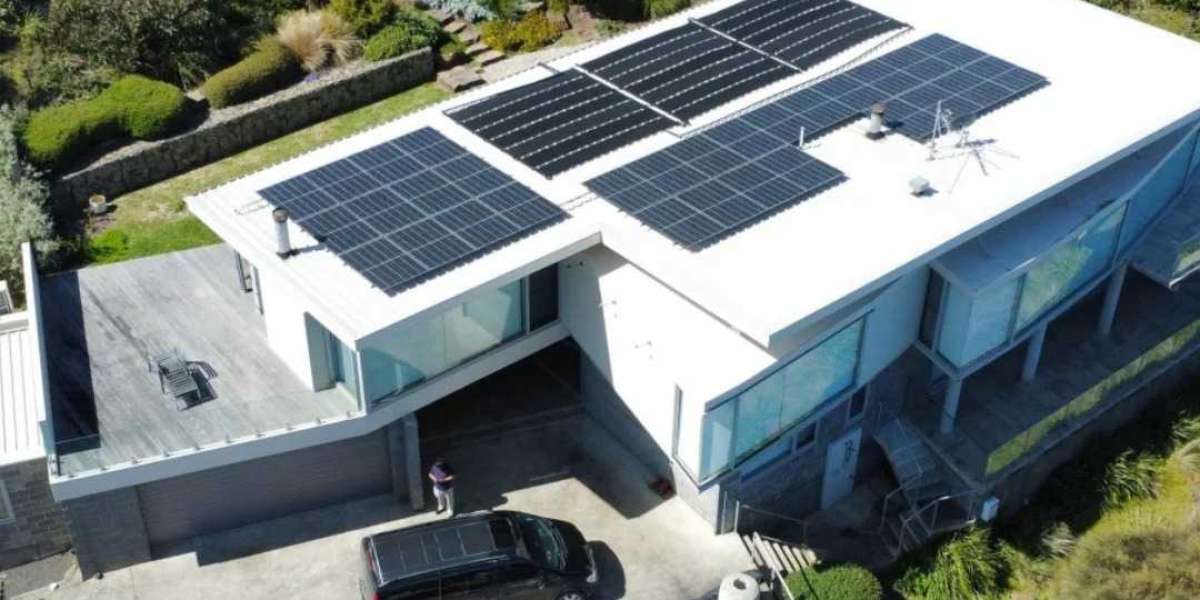
Most business owners are surprised to learn that physical installation—the actual panels going on your roof—takes only 3-7 days for an average commercial building. So why do solar companies quote 3-6 months for the entire project? The answer lies in everything that happens before and after those installation days.
The complete timeline depends on three major factors: your building's complexity, local permit requirements, and your utility company's interconnection process. Let's break down what really happens week by week.
Week 1-2: Site Assessment and Engineering Design
Your solar journey begins with a comprehensive site assessment. Engineers visit your property to evaluate roof condition, electrical infrastructure, and shade patterns. They'll measure your energy consumption, analyze your utility bills, and identify the optimal panel placement.
During this phase, you'll receive a detailed proposal outlining system size, expected energy production, costs, and projected savings. This is when you'll learn exactly what your system will look like and how it will perform over 25+ years.
Your role: Provide utility bills, building plans, and roof access. The more information you share upfront, the faster this phase moves.
Week 3-4: Permits and Approvals
Here's where many projects experience delays. Commercial solar requires multiple permits: building permits, electrical permits, and sometimes environmental approvals. Each municipality has different requirements and processing times.
Urban areas might process permits in 2-3 weeks, while smaller towns could take 6-8 weeks. Some jurisdictions require planning commission reviews or neighborhood notifications, adding extra time.
Your solar installer handles this paperwork, but you may need to sign documents or provide additional building information. Smart business owners budget extra time here—it's better to be pleasantly surprised than frustrated by delays.
Week 5-6: Equipment Procurement
While permits process, your solar company orders panels, inverters, racking systems, and electrical components. Quality manufacturers typically deliver within 2-4 weeks, though supply chain issues can extend this timeline.
Premium equipment might take longer but often delivers better warranties and performance. This is also when your installer schedules the installation crew and coordinates with any subcontractors needed for your project.
Week 7-9: The Installation Phase
This is what most people picture when they think "solar installation"—and it's actually the quickest part of the process.
Days 1-2: Crew arrives to set up safety equipment, install racking systems, and prepare the roof. For larger commercial buildings, this might extend to 3-4 days.
Days 3-5: Solar panels get mounted and wired together. Electrical work connects your new system to your building's power supply.
Days 6-7: Final electrical connections, inverter installation, and system testing. Your installer verifies everything works correctly before the final inspection.
Most businesses experience minimal disruption during installation. Operations continue normally, though you might notice crews on the roof and occasional power shutdowns for electrical work (typically scheduled after hours).
Week 10-11: Inspection and Interconnection
After installation, your local building department inspects the system to verify code compliance. This usually happens within 1-2 weeks of installation completion, though scheduling depends on inspector availability.
Next comes utility interconnection—the process of connecting your solar system to the grid. Your utility company needs to approve the connection, install a bi-directional meter (if needed), and update their records. This step varies wildly by utility, taking anywhere from 1-6 weeks.
Week 12: System Activation and Monitoring
Once you receive permission to operate (PTO) from your utility, your system goes live. Your installer activates the monitoring system so you can track energy production in real-time from your phone or computer.
You'll receive training on the monitoring platform, maintenance requirements, and warranty information. Many installers offer a final walkthrough to answer questions and ensure you're comfortable with your new system.
Take the First Step Toward Energy Independence
Now that you understand the real timeline, you can plan accordingly. While 3-6 months might seem long, remember that most of this time involves paperwork and approvals—not disruption to your business operations.
The sooner you start, the sooner you'll begin saving on energy costs. Most commercial solar systems pay for themselves within 5-7 years, then generate free electricity for decades.
Ready to get your timeline started? Request a free site assessment today. We'll evaluate your property, provide a detailed timeline specific to your location, and show you exactly how much you could save. Our commercial solar experts have helped hundreds of businesses navigate this process smoothly—let us do the same for you.
Contact us now for your no-obligation consultation and take control of your energy future.