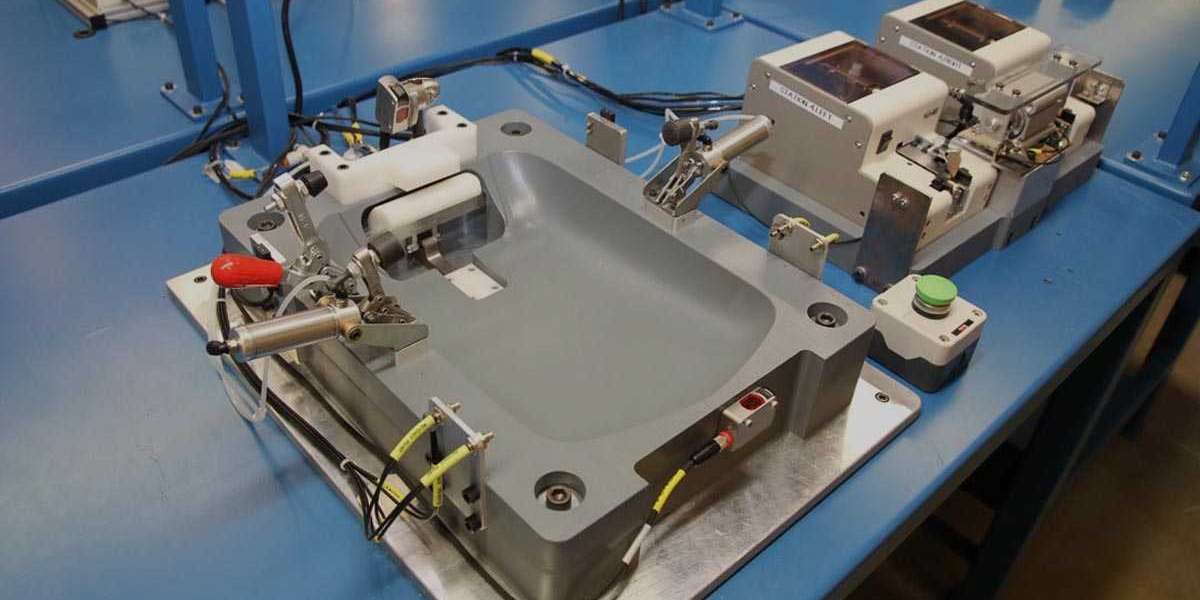

In the fast-paced world of electronics manufacturing, precision and efficiency are everything. Whether it’s assembling smartphones, circuit boards, or complex electronic systems, even the smallest deviation can impact performance and reliability. That’s where precision assembly fixtures come in. These tools play a critical role in ensuring accuracy, repeatability, and productivity on the production line. If you’re exploring solutions to enhance your assembly process, investing in high-quality Assembly Fixtures is one of the smartest moves you can make.
What Are Assembly Fixtures?
Assembly fixtures are specialized tools or devices designed to hold components in place during the manufacturing or assembly process. In electronics manufacturing, where components are often tiny and delicate, fixtures ensure each part is accurately positioned for soldering, testing, or bonding.
Think of an assembly fixture as a precision guide that allows workers and automated systems to perform their tasks consistently, without damaging sensitive parts. The result? Faster production, higher accuracy, and fewer defects.
Why Precision Matters in Electronics Manufacturing
Electronics manufacturing is all about precision. The smallest error—like a misaligned circuit board or an incorrectly placed chip—can render an entire product useless. As devices become more compact and complex, maintaining accuracy has never been more critical.
Precision assembly fixtures eliminate guesswork, helping manufacturers maintain tight tolerances. Whether you’re working with microelectronics, PCBs, or advanced assemblies, fixtures ensure repeatability and reduce human error, leading to higher-quality finished products.
The Key Benefits of Using Precision Assembly Fixtures
1. Consistency and Repeatability
Fixtures ensure every product is assembled to the same specifications. This uniformity is crucial in large-scale electronics manufacturing, where thousands—or even millions—of identical components are produced.
2. Enhanced Productivity
By holding parts securely in place, assembly fixtures allow technicians and robots to work more efficiently. Automated systems can move faster, and human operators can focus on quality rather than constant alignment adjustments.
3. Reduced Defects and Waste
Precision fixtures minimize assembly errors, preventing costly rework or product rejection. When components are consistently aligned, there’s less risk of damage during soldering or bonding.
4. Cost Savings
Although custom fixtures require an upfront investment, they reduce production downtime and material waste, resulting in significant long-term savings.
5. Improved Worker Safety
Fixtures also improve safety by keeping delicate components secure and reducing the need for manual handling, which lowers the risk of injury or product damage.
Types of Assembly Fixtures Used in Electronics Manufacturing
Different applications require different fixture designs. Here are some common types used across the electronics industry:
PCB Assembly Fixtures
Printed circuit board (PCB) fixtures hold boards securely during soldering, inspection, and testing. These fixtures are designed to prevent warping and ensure proper alignment of components.
Testing Fixtures
These fixtures are used during functional testing to hold components in place while electrical tests are performed. They ensure reliable connections between the test equipment and the device under test.
Bonding and Gluing Fixtures
Used for attaching components with adhesives or heat bonding, these fixtures ensure precise alignment and consistent pressure during curing.
Assembly and Alignment Fixtures
These tools help position multiple components in exact alignment, especially when working with intricate assemblies such as camera modules, sensors, or connectors.
Custom Fixtures
Many manufacturers opt for custom-built assembly fixtures designed specifically for their products and production lines. These provide the highest levels of accuracy and efficiency.
Materials Used in Precision Assembly Fixtures
Choosing the right materials for your fixtures is just as important as the design itself. Common materials include:
Aluminium: Lightweight, durable, and easy to machine—ideal for most electronic fixture applications.
Stainless Steel: Excellent for heavy-duty or high-temperature environments.
Polycarbonate and ABS Plastic: Great for fixtures that need to be non-conductive or lightweight.
Carbon Fiber Composites: Used when strength and precision are critical, especially for high-speed automation systems.
Each material offers unique benefits, depending on your production environment and requirements.
Custom vs. Standard Assembly Fixtures
When it comes to selecting fixtures, you have two options: standard or custom-designed.
Standard Fixtures: These are ready-made and suitable for general applications. They’re cost-effective but may not perfectly fit your specific product dimensions.
Custom Fixtures: Tailored to your exact product and process, these deliver unmatched accuracy and performance. Custom fixtures are particularly valuable in high-precision industries like electronics manufacturing, where every micron counts.
Companies like Expert Technologies Group specialise in designing and building custom precision fixtures for complex manufacturing needs.
The Role of Automation and Robotics
Modern electronics manufacturing heavily relies on automation, and precision fixtures play a key role in enabling it. Robots and automated systems require consistent reference points to function correctly, and fixtures provide that stability.
With precision fixtures, robots can perform intricate tasks—like micro-soldering, component placement, or laser marking—with exceptional accuracy. This combination of robotics and precision tooling improves throughput and minimizes human intervention.
Design Considerations for Precision Fixtures
When designing assembly fixtures for electronics manufacturing, engineers must consider several factors to ensure performance and reliability:
Tolerance Requirements: Fixtures must hold parts within exact tolerances to maintain alignment and quality.
Ease of Use: The design should be ergonomic and allow quick loading and unloading.
Thermal Stability: Materials must withstand the heat from soldering or curing processes.
Non-Contaminating Surfaces: Fixtures should be made from materials that don’t generate static or contaminants that could harm electronic components.
Compatibility with Automation: Fixtures should be designed to integrate seamlessly with robotic systems and conveyors.
A well-designed fixture balances durability, functionality, and ease of maintenance.
How Precision Fixtures Improve Quality Control
Quality control is a major concern in electronics manufacturing. Precision fixtures contribute by:
Ensuring consistent part positioning, leading to more reliable assembly results.
Supporting automated inspection systems, such as vision cameras or laser measurement tools.
Allowing repeatable test setups that ensure each product meets performance standards.
With fixtures in place, manufacturers can achieve higher quality yields and traceability throughout the production process.
Future Trends in Assembly Fixture Technology
As electronics become smaller and more complex, fixture technology continues to evolve. Some emerging trends include:
3D-Printed Fixtures: Rapid prototyping allows for quick and cost-effective fixture development.
Smart Fixtures: Equipped with sensors to monitor pressure, alignment, and temperature in real-time.
Modular Designs: Reconfigurable fixtures that can adapt to multiple product variations.
Sustainable Materials: Increasing focus on recyclable and eco-friendly materials.
These advancements allow manufacturers to stay agile, adapting to new product designs and shorter production cycles.
Choosing the Right Assembly Fixture Partner
Selecting the right partner to design and manufacture your fixtures is crucial. Look for a company that:
Has experience in electronics and precision engineering.
Offers custom design solutions tailored to your specific processes.
Uses advanced CAD/CAM software for design accuracy.
Provides full lifecycle support, from design to installation and maintenance.
By partnering with experienced professionals, you’ll ensure your fixtures meet the highest standards of performance and reliability.
Conclusion: Precision Fixtures Drive Quality and Efficiency
In today’s competitive electronics manufacturing environment, precision assembly fixtures are indispensable. They enhance accuracy, speed up production, reduce waste, and ensure consistent product quality. Whether you’re producing microchips, sensors, or complete electronic assemblies, investing in the right fixtures can transform your manufacturing efficiency.
For innovative, high-precision solutions, explore Assembly Fixtures designed by experts who understand the demands of modern electronics production. With the right tools and technology, you can achieve the perfect balance of precision, productivity, and performance — every time.