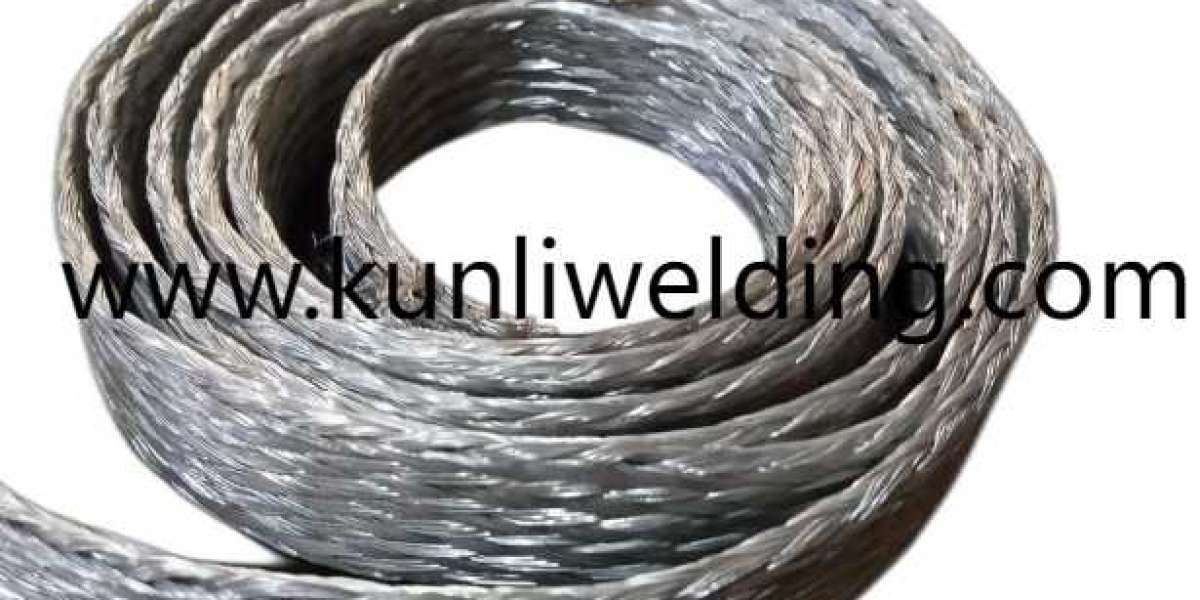

When a fabricator needs reliable joints the choice of filler metal shapes the outcome from the first bead to the final pass. Many buyers start conversations with Aluminum Welding Wire Manufacturers when they need guidance on matching filler to base metal and process. Selecting the right wire for a repair job or a production run is more than a procurement step. It touches material compatibility weld appearance and long term performance in the environment where the part will be used.
Think about the conditions the weld will face after the torch cools. A wire that resists corrosion and works with the intended alloy gives service teams confidence in assemblies used near water or in outdoor settings. Consider whether the work will require frequent bending or if parts will carry load. Filler choices influence joint toughness and how a welded assembly responds to stress. Talking through these service conditions with a supplier helps narrow options before cutting sample plates or arranging trial runs.
Process compatibility is another practical lens. A wire that adapts to common welding methods and to the skill level of the operator reduces rework and improves throughput. Ease of feeding arc stability and predictable puddle behavior shorten the learning curve on a new shop floor. For teams moving between manual work and mechanised processes a versatile filler can minimize the number of spools in stock and simplify changeover routines.
Surface condition and cleaning matter more than many expect. Oxide layers contaminants and moisture affect arc start and fusion quality. Work that begins with clear preparation tends to show fewer porosity issues and requires less grinding and repair. Talk with metal and wire providers about recommended preparation steps and about trials that simulate the real shop environment rather than idealised bench tests.
Packaging and logistics are practical but important considerations. A wire that arrives sealed and ready to run reduces downtime. Reliable supply and transparent production controls at the supplier help purchasing teams avoid last minute substitutions that can alter weld behavior. Partners who can offer samples and who document production practices tend to speed up qualification for new projects and help maintain consistency across runs.
Sustainability and lifecycle thinking are increasingly part of purchasing conversations. Buyers may weigh whether a filler choice supports rework strategies recyclability or reduces the need for replacement parts. Small improvements in the welding approach can lead to lower material waste and to assemblies that require less frequent maintenance. When these factors align with cost and performance expectations the overall value of a welding solution becomes clearer.
Testing should be practical and context aware. Conduct trials on representative joint types under conditions that mimic field environments. Evaluate the weld both visually and by performing the operations that the final part will face. Iterative field trials and collaborative problem solving with a supplier help identify the right wire for a particular application rather than relying on a single specification sheet.
A thoughtful selection process balances application needs operator skills and supply reliability. When a buyer chooses a supplier who supports trials and who documents production controls the qualification path is smoother. That collaboration reduces surprises in production and helps teams deliver parts that stand up to intended use. For details about product options material guidance and sample availability visit the supplier page at the address below www.kunliwelding.com .