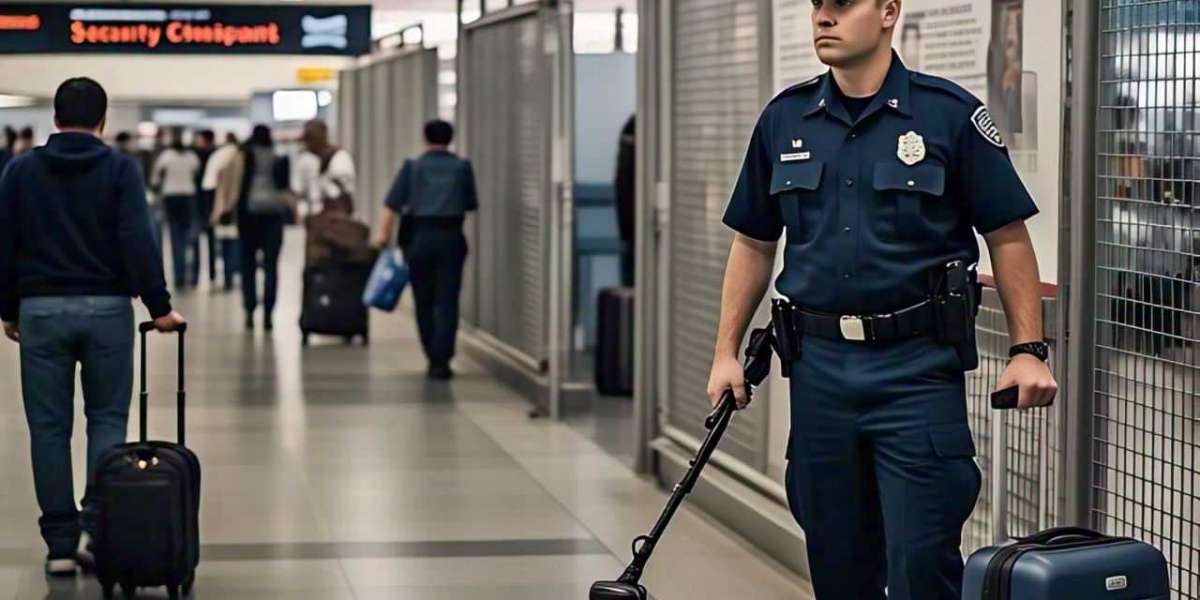

The Role of Security Guards in Airport Security
Introduction
Airports are among the most sensitive and high-risk areas in any country. With millions of passengers traveling daily, ensuring their safety is a top priority. Security guards serve as the first line of defense, protecting travelers, staff, and infrastructure from potential threats. Their responsibilities go beyond just screening passengers; they also monitor suspicious activities, handle emergencies, and enforce regulations.
In this article, we will explore the critical role of security guards in airport security, their duties, and the challenges they face in maintaining a safe travel environment.
1. The Importance of Airport Security
Airport security is essential to prevent unlawful activities, such as terrorism, smuggling, and unauthorized access to restricted areas. Without proper security measures, airports can become vulnerable targets. Security guards act as a deterrent against criminal activities and ensure that strict protocols are followed.
2. Security Guards as the First Line of Defense
Security guards are the first personnel that passengers and visitors encounter at an airport. Their presence alone is enough to deter potential threats. They conduct routine checks, verify identification, and ensure compliance with security procedures to maintain a safe environment.
3. Passenger Screening and Baggage Inspection
One of the primary responsibilities of security guards is to assist in passenger screening and baggage inspection. They work closely with advanced security systems, such as X-ray scanners and metal detectors, to detect prohibited items. Their expertise helps in identifying suspicious objects and ensuring compliance with airport regulations.
4. Monitoring CCTV Surveillance Systems
Security guards actively monitor CCTV surveillance systems to detect unusual activities within airport premises. By closely observing real-time footage, they can identify potential threats and respond swiftly to prevent security breaches. Surveillance monitoring is crucial for both public safety and operational efficiency.
5. Controlling Access to Restricted Areas
Airports have several restricted zones, including runways, control towers, and baggage handling areas. Security guards are responsible for ensuring that only authorized personnel access these areas. They check credentials, enforce security protocols, and prevent unauthorized entry to maintain strict airport security.
6. Handling Emergency Situations
Emergencies can occur at any time in an airport. Security guards are trained to respond to situations such as medical emergencies, fire outbreaks, and security threats. Their quick decision-making and crisis management skills help in minimizing risks and ensuring passenger safety.
7. Preventing Theft and Unauthorized Activities
Airports handle a significant amount of valuable assets, including luggage, cargo, and sensitive documents. Security guards prevent theft, vandalism, and unauthorized activities by maintaining strict vigilance. Their presence in terminals, parking areas, and cargo zones helps in reducing criminal incidents.
8. Crowd Management and Public Assistance
With thousands of passengers moving through airports daily, crowd management is essential. Security guards assist travelers, provide directions, and control large crowds during peak travel times. Their role ensures smooth passenger flow and minimizes potential security risks.
9. Collaboration with Law Enforcement Agencies
Security guards work closely with law enforcement agencies, including airport police and customs officers. In case of suspicious activities or threats, they coordinate with higher authorities to take necessary actions. This collaboration strengthens overall airport security and enhances response efficiency.
10. Implementing Advanced Security Technologies
Modern airports rely on advanced security technologies such as biometric scanners, AI-powered surveillance, and facial recognition systems. Security guards are trained to operate and monitor these technologies, ensuring that they function efficiently in detecting threats.
11. Addressing Terrorist Threats and Suspicious Behavior
One of the biggest concerns in airport security is the risk of terrorist activities. Security guards are trained to identify suspicious behavior and take immediate action if they notice anything unusual. Their vigilance plays a crucial role in preventing potential security threats.
12. Training and Professional Development of Security Guards
To handle evolving security challenges, airport security guards undergo rigorous training. They receive instruction in conflict resolution, crisis management, and the latest security procedures. Continuous training ensures that they remain well-equipped to handle any security situation effectively.
13. Customer Service and Passenger Safety
Apart from security responsibilities, guards also assist passengers with queries, directions, and support. Their presence makes travelers feel safe and enhances their overall airport experience. Providing excellent customer service while maintaining strict security measures is a key part of their job.
14. Challenges Faced by Security Guards in Airports
Despite their crucial role, security guards face numerous challenges, including long working hours, high-stress situations, and dealing with uncooperative passengers. Their ability to stay alert, handle pressure, and adapt to changing security threats makes them an integral part of airport operations.
15. Conclusion
Security guards play an essential role in maintaining airport security, ensuring the safety of passengers, staff, and assets. Their responsibilities range from passenger screening and surveillance monitoring to emergency response and access control. As security threats continue to evolve, the role of security guards remains more important than ever.
For professional airport security services, partnering with experienced security providers is crucial. Learn more about reliable security solutions by visiting this trusted security services provider.
FAQs
1. What are the main responsibilities of airport security guards?
Airport security guards handle passenger screening, baggage inspection, surveillance monitoring, access control, and emergency response to ensure airport safety.
2. How do security guards help in preventing airport threats?
They monitor CCTV cameras, conduct security checks, enforce access restrictions, and collaborate with law enforcement agencies to detect and prevent threats.
3. Do airport security guards carry weapons?
In most airports, security guards are unarmed, but they work alongside armed law enforcement officers for enhanced security measures.
4. What training do airport security guards receive?
They undergo training in conflict resolution, emergency response, surveillance monitoring, and handling security equipment.
5. How do security guards assist passengers at airports?
Besides security tasks, they help travelers with directions, lost items, and crowd management, ensuring a smooth travel experience.
6. Why is airport security important?
Airport security is vital to prevent terrorism, smuggling, and unauthorized access, ensuring passenger safety and smooth airport operations.