
How Does Plant Protection Enhance Growth and Yield?
All growers understand that well-healthy plants yield more quality fruits, vegetables, flowers, or foliage. By introducing protection for plants, you provide a contained environment in which stress is reduced. Those plants that are less stressed with the environment allocate more of their native energy to root growth, blooming, and bearing fruit rather than wasting it on survival. A greenhouse cover, frost cloth, or plastic sheeting resistant to UV radiation keeps the temperature constant, prevents harmful radiation, and insures receiving the correct amount of light without burning. Consistency over time translates into enhanced growth habits and better harvest. For California growers and growers in other areas where weather alternates between warm days and chilly nights, this shield of protection is the difference between a failing plant and a success.
What Contribution Does Weather Make to the Importance of Protection for Plants?
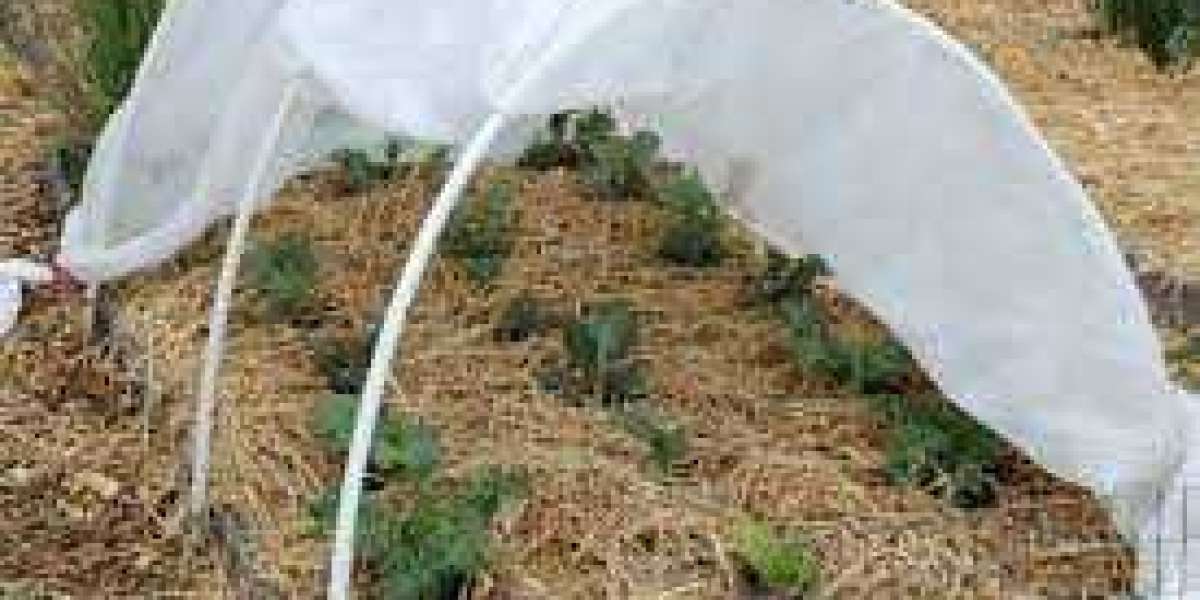
Weather is among the largest contributors that make protection for plants essential. Sudden drops in temperature can kill tender seedlings overnight, while prolonged exposure to scorching sun can burn delicate leaves and flowers. Heavy winds can snap stems, uproot young crops, or cause physical damage that leaves plants open to disease. Rainfall, while necessary, can sometimes lead to soil erosion, root rot, or fungal infections when excessive. Through the implementation of greenhouse plastic covers, hoop houses, or frost blankets, farmers are able to protect plants from these erratic extremes. For Long Beach, where winters tend to be mild but still subject to the occasional cold snap, and summers are hot with strong sun, employing plant protection mechanisms provides consistency in an otherwise erratic system.
Why Is Sunlight Management Part of Protection for Plants?
Sunlight is necessary for photosynthesis, yet excessive amounts may damage plants. This is the reason why sunlight management is a vital component of protection for plants. The UV rays can hurt plant tissue, rapidly dry out the soil, and promote conditions where crops wilt or experience heat stress. Conversely, a lack of light slows down growth and postpones production. The utilization of light-diffusing greenhouse films, shade cloth, or UV-resistant coverings gives an equal balance by diffusing sunlight so that the plants obtain it evenly without burning. With this kind of balance, leaf color, flower blooms, and fruit yields are enhanced. In areas such as Southern California, where the sun is intense most of the time, controlling light through protective coverings greatly contributes to plant health.
How Does Plant Protection Prevent Pests and Diseases?
Besides the challenge of climate, pests and diseases are one of the largest threats to farmers globally. Aphids, whiteflies, and caterpillars are insects that can destroy crops in a matter of seconds, while fungal diseases love cold, wet conditions. Plant protection as physical barriers such as greenhouse plastic, insect nets, or row covers prevents these pests from directly infesting crops. With decreased direct exposure, farmers reduce the use of chemical pesticides, which are dangerous to both the environment and human health. This organic mode of protection also creates a healthier growing climate, keeping plants healthy and disease-free for the entire season.
Where Can Protection for Plants Have the Most Impact?
Protection for plants is needed everywhere, but it is most noticeable in areas with severe or unanticipated climates. Near coastal towns like Long Beach, windy salt spray can ruin plant leaves and hinder growth, so a greenhouse cover or protective sheeting is particularly valuable. In interior agricultural regions, where frost and unexpected low temperatures are prevalent, frost blankets or high tunnel structures offer necessary warmth. Even for city gardens or home projects, easy protection measures such as plastic sheeting or small hoop houses can prolong growing seasons, minimize plant losses, and enable gardeners to have fresh produce longer. Regardless of the location of the garden, protection alters how plants adjust to the environment.
When Should Plant Protection Be Implemented?
Timing is critical when dealing with protection for plants. Most growers incorrectly delay until harm has been visible before using protective tactics, but by this time, it is too late. Protective measures should be thought of as prevention, not as reacting. Early spring is made easier for young seedlings by frost cloths and greenhouse plastic, easing them into outdoor temperatures. Summer is cushioned by UV-resistant sheeting, softening the effects of heat waves. Fall and winter are made more tolerable by cold and moisture protection, keeping plants healthy even in worse conditions. Preparing in advance, growers provide plants with an early start and minimize the stress caused by environmental shocks that otherwise might irreparably damage them.
How Does Plant Protection Prolong the Growing Season?
Extension of the growing season is one of the largest advantages of plant protection. In regions such as Long Beach, where the climate is favorable but still restricted by seasons, protective covers enable vegetables, herbs, and flowers to flourish longer. Greenhouse plastic, for example, retains heat in cold months, so plants can continue growing even when the outside temperature cools. Similarly, shade cloth and UV-protective covers permit growing in the hottest summer months without fear of sun scorch. By lengthening the season, growers gain several harvests and greater crop diversity year-round.
What are the Best Materials for Protection for Plants?
The type of material employed for covering for plants is very important in terms of efficiency. Greenhouse plastic cover is among the best materials used because it is hardy, light, and resistant to UV rays. Frost cloth has good insulating properties on cold evenings without suffocating crops. Shade cloth comes in handy during summer to filter out intense sunlight, whereas reinforced plastic rolls are strong enough to withstand hard winds and heavy rain. In contemporary agriculture, growers often use materials that are UV resistant, have light diffusion, and toughness to enclose their greenhouses or hoop houses. The choice of material is based on climate, type of crop, and degree of protection needed, but the most important thing is to find a balance between light, temperature, and durability.
Why Is Long-Term Protection for Plants an Investment in Sustainability?
More than a temporary measure, plant protection is an investment in the long-term future. By protecting plants from damage, gardeners decrease the use of pesticides, minimize water loss due to soil evaporation, and optimize the efficacy of plant growth cycles. Sustainable growing practices depend upon naturally protecting plants rather than constantly reproducing destroyed crops. During an era when climate change keeps influencing agriculture, having stable protection systems guarantees food security and saves money for farmers. This is the reason why this balance between environmental sustainability and economic value is the main focus of current gardening and farming practices.
How Can Protection for Plants Benefit Home Gardeners in Long Beach?
Long Beach backyard gardeners might not encounter commercial-level issues as farmers, but they certainly appreciate plant protection. Whether cultivating peppers, tomatoes, herbs, or blooms, home gardens are equally susceptible to pests, sun scorching, and weather fluctuations. Employing small hoop houses, greenhouse film, or ultraviolet-resistant plastic sheets, even amateur gardeners can provide stable environments for their crops. This not only raises the rate of success but also satisfaction from the knowledge that their work yields healthier, longer-lived crops. For city gardeners with space constraints, protection can convert a compact garden into a productive and rewarding green space throughout the year.
Conclusion: Why Plant Protection Is Needed Today More Than Ever
Protection for plants in today's climate is no longer an extra practice for gardeners and farmers but something that is a must. From protection from extreme weather to stopping pests from getting in, plant protection promotes healthier growth, better yields, and extended growing seasons. In Long Beach and comparable climates, protection means the difference between successful gardens and poor harvests. Through greenhouse plastic, frost cloth, or shade coverings, growers of all levels can reap advantages from taking proactive steps to protect their crops. As agriculture and gardening adapt in 2025, protection is the key to sustainability, prosperity, and healthier crops in the future.