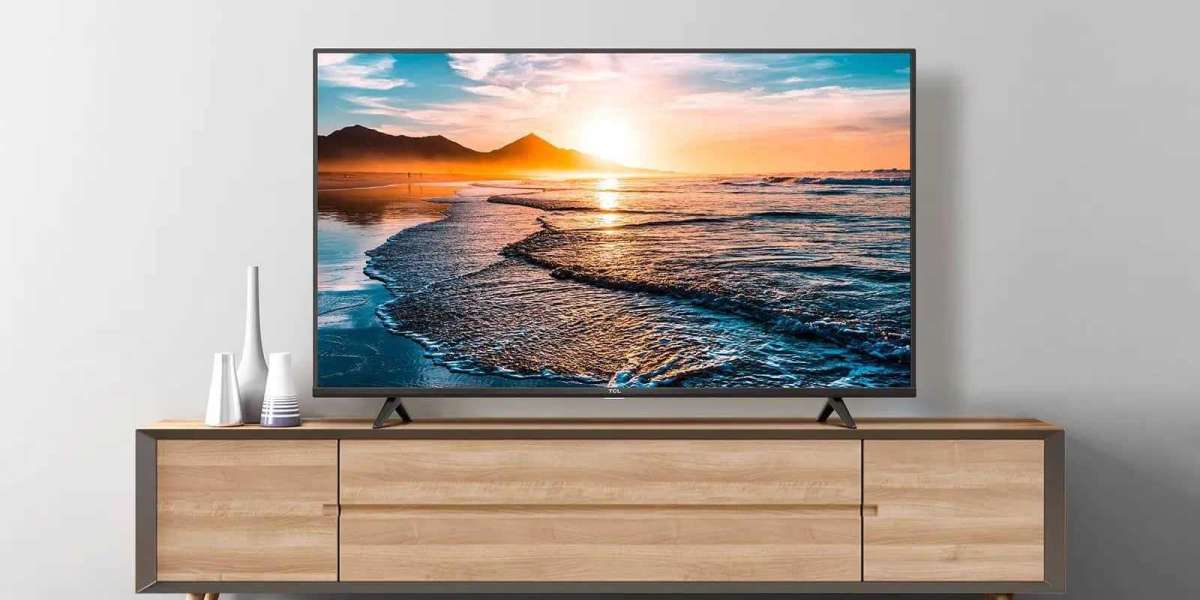

When considering the purchase of a television, the "inch" measurement is often the first detail most consumers notice. A 65-inch TV has become a popular choice for home theaters and living rooms, offering an immersive viewing experience without overwhelming the space. However, it's crucial to understand what "65 inches tv width" actually means, especially in terms of width, to ensure a proper fit in your desired setup. This article explores the actual width of a 65-inch TV, the factors affecting its dimensions, and practical tips for choosing and positioning it.
What Does “65 Inches” Actually Mean?
When a TV is labeled as 65 inches, that measurement refers to the diagonal length of the screen—not its actual width. This measurement spans from one corner of the display panel to the opposite corner (typically from the bottom-left to the top-right), including only the viewable screen area and not the bezels or frame.
This can be misleading for those trying to determine whether a 65-inch TV will physically fit on a wall, entertainment center, or TV stand. The width, height, and depth are what really matter for space planning.
The Actual Width of a 65-Inch Tv
When a TV is described as 65 inches, it indicates the diagonal span of the display, not the screen's horizontal width. However, for most modern TVs with a 16:9 aspect ratio (the standard for widescreen HDTVs), the approximate dimensions are:
- Width: 56.7 inches (144 cm)
- Height: 31.9 inches (81 cm)
- Depth: Varies, usually between 1.5 to 3 inches for flat screens, more for curved or thicker models.
The 56.7-inch width specifically refers to the screen area, measured from one edge to the other, excluding the stand. Including bezels, the overall width might increase slightly, depending on the brand and model.
Why Aspect Ratio Matters
The aspect ratio of a TV — the relationship between its width and height — plays a key role in determining its dimensions.The majority of modern televisions feature a 16:9 aspect ratio, which means the screen’s width is split into 16 units and its height into 9 unit.
To estimate the width (W) and height (H) of a 65-inch TV with a 16:9 aspect ratio, we can apply the Pythagorean theorem as follows:
- W² + H² = 65² (in inches)
- With W/H = 16/9
Solving these equations yields an approximate width of 65 inches tv and a height of about 31.9 inches, aligning with the typical dimensions of most 65-inch TVs.
Differences Among Brands and Models
While the 56.7-inch width is standard for a 65-inch TV, there can be minor variations based on design elements:
- Bezels: Thicker bezels add to the overall width of the unit. Premium or newer models often feature ultra-thin bezels, maximizing the screen area while minimizing the footprint.
- Frame Design: Some TVs have curved screens or decorative frames that slightly increase their width and depth.
- Speaker Placement: In some models, built-in soundbars or downward-firing speakers can change the bottom edge design or add to the width.
If precision is important — for example, fitting a TV between two bookshelves — always check the manufacturer’s specification sheet for exact dimensions, not just the screen size.
Measuring Your Space for a 65-Inch TV
Before purchasing, it’s essential to measure the intended space accurately. Here are some steps to help ensure a perfect fit:
- Measure the Available Width: Use a measuring tape to determine the maximum horizontal space available on your wall, cabinet, or stand.
- Check Height and Viewing Angle: A 65-inch TV is fairly tall, so ensure the top of the screen doesn't go above eye level when seated.
- Account for Clearance: Leave 1-2 inches of space on each side of the TV to allow for air circulation and easy access to ports.
- Consider Wall Mounting: Wall-mounting can save surface space and provide more flexibility in positioning, but it requires ensuring your wall can support the weight and dimensions of the TV.
Ideal Viewing Distance for a 65-Inch TV
Knowing the width helps in positioning, but viewing distance is just as important for comfort and visual quality. For a 65-inch TV, the recommended viewing distance is generally between 8 to 13 feet (2.5 to 4 meters), depending on resolution:
- 1080p TVs: About 9 to 13 feet away
- 4K Ultra HD TVs: Ideal viewing distance ranges from 5.5 to 8 feet.
These distances help minimize eye strain and allow viewers to appreciate the resolution and detail the TV offers.
Conclusion
The "65-inch" label refers to the screen's diagonal measurement, but the actual width of a 65-inch TV is about 56.7 inches, with a height near 31.9 inches. Understanding this can make the difference between a perfect fit and an awkward, misaligned setup. Be sure to measure your space accurately, consider the bezels and frame dimensions, and review the manufacturer’s specifications before making a purchase.With proper planning, a 65-inch TV can be the centerpiece of an incredible home entertainment experience
For more and latest articles click here.