
According to ChemAnalyst Soya Lecithin Price market experienced notable fluctuations during 2025 and early 2026 due to changing soybean feedstock costs, crushing margins, edible oil market dynamics, transportation expenses, inventory levels, and demand from food processing, pharmaceuticals, animal nutrition, cosmetics, and industrial applications. Market conditions were influenced by soybean harvest outcomes, weather-related crop developments, international trade flows, export demand, logistics costs, and processing activity across major producing regions. Strong consumption from bakery products, confectionery, dairy alternatives, nutritional supplements, feed additives, and personal care formulations supported market fundamentals. The overall Soya Lecithin Price Trend remained closely linked to soybean market movements, vegetable oil processing economics, and downstream industrial demand. Meanwhile, the Soya Lecithin Price Chart reflected periodic fluctuations driven by feedstock pricing, seasonal procurement activity, freight rates, inventory management strategies, and regional supply-demand balances. According to ChemAnalyst, increasing demand for natural emulsifiers, clean-label food ingredients, and plant-based formulations continued to support market growth across global industries.
Soya lecithin is one of the most widely used natural emulsifiers in the global food, pharmaceutical, feed, and personal care industries. Derived from soybean oil processing, it contains phospholipids that help stabilize mixtures of oil and water, making it an essential ingredient in numerous formulations.
As consumer demand for natural and clean-label ingredients continues to rise, soya lecithin has gained increasing importance across multiple industries. Its multifunctional properties, cost-effectiveness, and broad application range have made it a preferred ingredient for manufacturers worldwide.
According to ChemAnalyst, market growth continues to be driven by expanding food processing activities, growing pharmaceutical production, and rising demand for sustainable plant-based ingredients.
Market Overview
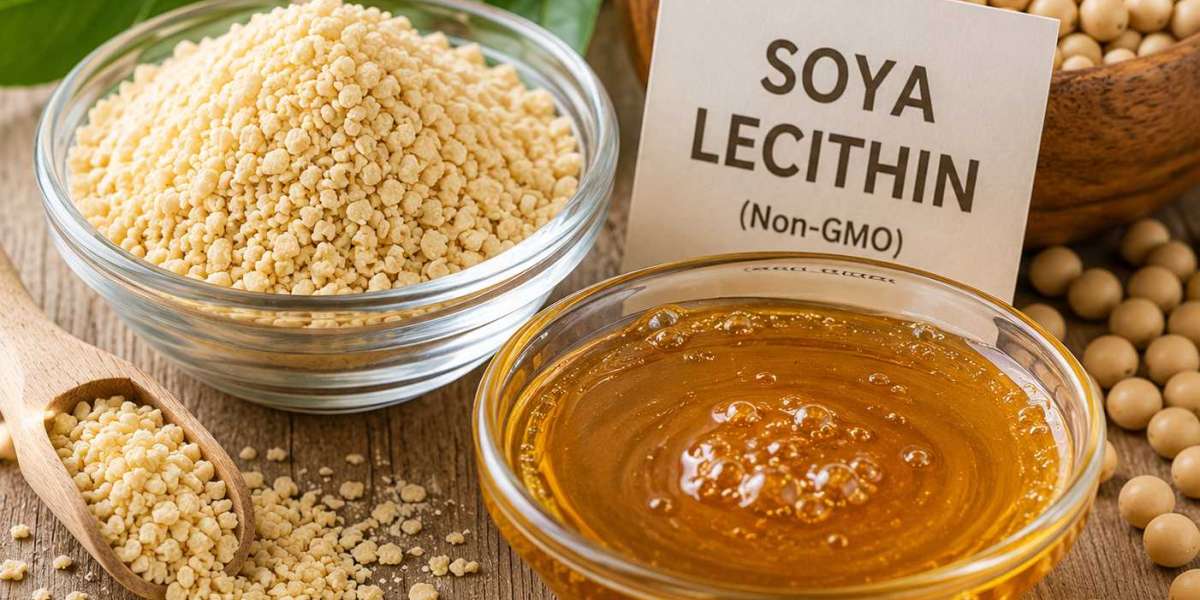
Soya lecithin is produced as a by-product during soybean oil refining and processing. The ingredient is available in liquid, powdered, and granulated forms and is used extensively for emulsification, stabilization, viscosity control, and shelf-life enhancement.
The market benefits from the widespread availability of soybeans and the expanding global soybean processing industry. As food manufacturers increasingly focus on product quality, texture improvement, and clean-label formulations, demand for soya lecithin continues to strengthen.
Its application extends beyond food processing into pharmaceuticals, cosmetics, animal nutrition, paints, coatings, and industrial products.
Key Factors Influencing Soya Lecithin Price
Soybean Feedstock Costs
The primary factor influencing the Soya Lecithin Price is the cost of soybeans and soybean oil processing.
Changes in soybean production, harvest conditions, export activity, and agricultural commodity markets directly impact raw material availability and production economics. Weather conditions in major soybean-producing countries often influence market pricing.
Vegetable Oil Processing Margins
Since soya lecithin is obtained during soybean oil refining, crushing margins and vegetable oil market conditions significantly affect production economics.
Changes in edible oil demand and refining activity can influence lecithin availability and market pricing.
Transportation and Logistics
Freight costs, fuel prices, container availability, and shipping efficiency play important roles in regional pricing trends.
Global supply chain disruptions or transportation bottlenecks can create temporary market imbalances and affect delivered costs.
Demand from End-Use Industries
Demand from food processing, pharmaceuticals, cosmetics, and animal feed sectors remains a major driver of the Soya Lecithin Price Trend.
Growing consumer preference for natural additives and plant-based ingredients continues to support long-term market growth.
Soya Lecithin Market Applications
Food and Beverage Industry
The food industry represents the largest consumer of soya lecithin globally.
It is widely used in chocolate, confectionery, bakery products, dairy alternatives, margarine, instant foods, beverages, and processed foods. The ingredient improves texture, enhances shelf life, and supports product consistency.
The expansion of convenience foods and clean-label products continues to strengthen demand from this sector.
Pharmaceutical Industry
Soya lecithin is extensively used in pharmaceutical formulations, drug delivery systems, capsules, and nutritional supplements.
Its biocompatibility and functional properties make it valuable in modern healthcare applications.
Animal Feed Industry
Animal nutrition manufacturers utilize soya lecithin to improve feed efficiency, nutrient absorption, and product stability.
Growing livestock production and increasing focus on animal health support market demand.
Cosmetics and Personal Care
The cosmetics industry uses soya lecithin in skincare products, lotions, creams, and personal care formulations due to its moisturizing and emulsifying properties.
Consumer demand for natural and plant-derived cosmetic ingredients continues to drive growth.
Industrial Applications
Soya lecithin also finds applications in paints, coatings, lubricants, and industrial processing where emulsification and dispersion properties are required.
Track Real Time Prices Of Soya Lecithin
https://www.chemanalyst.com/ChemAnalyst/PricingForm?Product=Soya%20Lecithin
Regional Market Analysis
Asia-Pacific
Asia-Pacific remains the largest market for soya lecithin production and consumption.
China and India continue to dominate regional demand due to expanding food processing industries, growing pharmaceutical manufacturing, and rising consumption of packaged foods.
Strong soybean processing capacity and increasing urbanization further support market growth.
North America
North America maintains a significant market share supported by its well-established soybean cultivation and processing industries.
The United States remains one of the leading producers and consumers of soya lecithin. Demand is driven by food manufacturing, dietary supplements, and animal nutrition sectors.
Europe
Europe represents a mature but steadily growing market.
The region's emphasis on clean-label ingredients, sustainable sourcing, and natural food additives continues to support demand. Pharmaceutical and cosmetic applications also contribute significantly to consumption.
Middle East and Africa
The Middle East and Africa region is experiencing gradual market growth due to increasing food processing investments and expanding consumer goods industries.
Imports continue to play an important role in meeting regional demand.
Soya Lecithin Price Trend in 2026
The Soya Lecithin Price Trend throughout 2026 is expected to be influenced by:
Global soybean production levels
Soybean oil processing activity
Agricultural commodity prices
International trade conditions
Freight and logistics costs
Food industry demand growth
Pharmaceutical production trends
Cosmetic industry expansion
Inventory management strategies
Regional supply-demand balances
Market participants anticipate moderate price fluctuations depending on feedstock costs and downstream consumption levels.
Soya Lecithin Price Chart Analysis
The Soya Lecithin Price Chart demonstrates a strong correlation between soybean market conditions and lecithin pricing trends.
Historical market movements indicate that rising soybean prices, increased processing costs, and strong food industry demand generally support higher pricing levels. Conversely, abundant soybean supplies and balanced inventories may contribute to market stabilization.
Regional differences in production capacity, import dependency, and processing infrastructure can create pricing variations across major markets.
Supply and Demand Dynamics
Global demand for soya lecithin continues to expand due to its versatility and growing acceptance as a natural ingredient.
Food manufacturers, pharmaceutical companies, cosmetic producers, and feed manufacturers continue to increase procurement activity to meet evolving consumer preferences.
On the supply side, soybean processing capacity expansions and investments in refining technology are helping maintain adequate product availability.
Balanced supply-demand fundamentals are expected to support stable market conditions throughout much of 2026.
Challenges Facing the Market
Agricultural Volatility
Soybean production remains vulnerable to weather disruptions, crop diseases, and changing agricultural market conditions.
Logistics Constraints
Transportation costs and supply chain inefficiencies can impact regional market competitiveness.
Regulatory Compliance
Food safety regulations, labeling requirements, and sustainability standards may increase operational costs for producers.
Market Competition
Alternative emulsifiers and specialty ingredients continue to compete with soya lecithin in certain applications.
Future Outlook
The long-term outlook for the global soya lecithin market remains positive.
Increasing demand for natural emulsifiers, clean-label products, plant-based foods, and sustainable ingredients is expected to support continued market growth. Expanding applications in pharmaceuticals, cosmetics, and animal nutrition will further strengthen demand.
Technological advancements in soybean processing and ingredient formulation are likely to improve efficiency and create new market opportunities.
Conclusion
The global Soya Lecithin Price market is expected to maintain positive growth momentum throughout 2026, supported by rising demand from food processing, pharmaceuticals, cosmetics, and animal nutrition industries. According to ChemAnalyst, market pricing continues to be influenced by soybean feedstock costs, vegetable oil processing economics, logistics conditions, and downstream industry demand.
The evolving Soya Lecithin Price Trend highlights the growing importance of natural, plant-based, and clean-label ingredients across global markets. Meanwhile, the Soya Lecithin Price Chart reflects the impact of soybean market dynamics, processing activity, and regional supply-demand balances on overall pricing performance.
As consumers increasingly seek healthier, sustainable, and naturally sourced products, soya lecithin is expected to remain a critical ingredient supporting long-term growth across multiple industries worldwide.