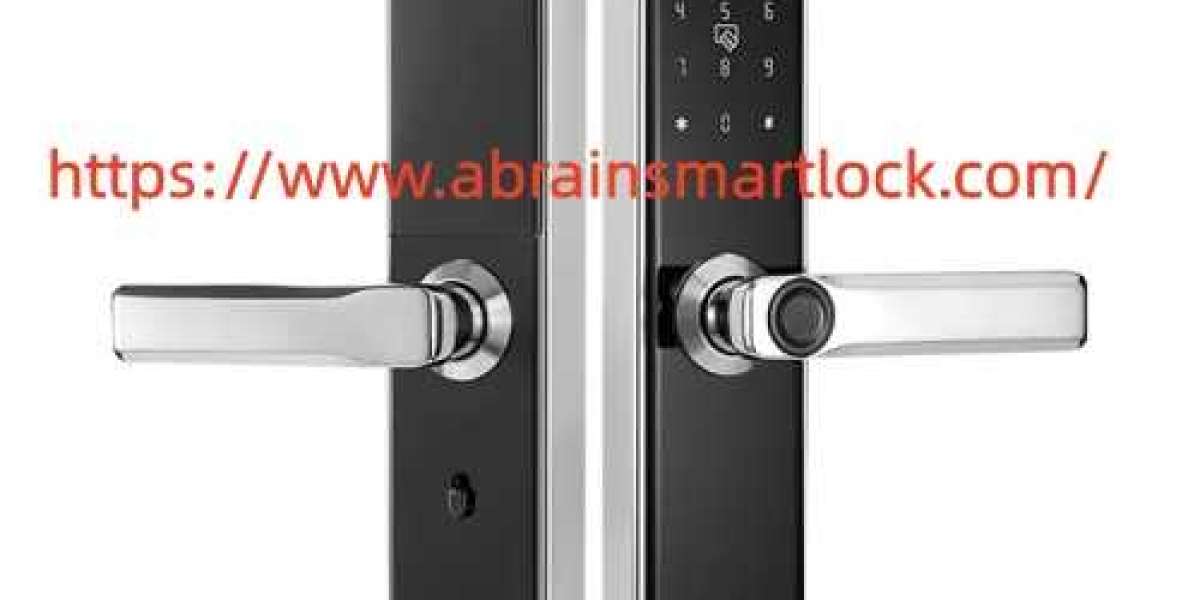

304 Stainless Steel Smart Lock is commonly used in outdoor gate environments where long-term exposure to weather conditions creates ongoing performance challenges. Gates are often installed in open areas, meaning they are directly affected by rain, sunlight, wind, and temperature variation throughout the day and across seasons.
Outdoor environments are dynamic rather than stable. During daylight hours, direct sunlight can raise surface temperature significantly, while nighttime cooling can cause contraction in structural materials. These repeated cycles of expansion and contraction may gradually influence alignment and mechanical consistency if the system is not designed for environmental adaptation.
Moisture is another key factor in outdoor installations. Rainfall and humidity can affect surface conditions and may slowly impact internal components over time. In regions with frequent weather changes, maintaining structural protection becomes important for preserving long-term functionality.
Mechanical wear is also unavoidable in gate systems. Unlike indoor doors, gates are often used multiple times per day, especially in residential compounds, commercial properties, and shared access points. Each operation introduces physical stress, and when combined with environmental exposure, this can gradually affect system stability.
In practical applications, users expect outdoor entry systems to maintain consistent behavior without frequent adjustments. This expectation has made environmental resistance and structural balance essential design considerations in modern access systems.
Abrainsmartlock focuses on real-world outdoor usage conditions, prioritizing stable operation under varying environmental factors. The design approach emphasizes consistent performance across temperature changes, moisture exposure, and repeated mechanical use.
Temperature variation plays a particularly important role in outdoor environments. Materials naturally expand in heat and contract in cooler conditions. When these movements are not properly controlled, they may influence alignment and response consistency. A well-balanced structure helps reduce these effects and supports smoother long-term operation.
Energy efficiency is another important consideration for gate systems. Many installations remain in standby mode for extended periods, especially in residential settings. Efficient energy management helps maintain readiness while reducing unnecessary power consumption during idle periods.
Installation adaptability is also essential. Outdoor gates vary widely in material type and structure, including metal frames, wooden structures, and composite designs. A flexible system design allows easier integration into different gate configurations without requiring extensive modification.
Dust and environmental particles are common in outdoor settings and can gradually affect mechanical performance. Protective design helps minimize these effects, ensuring more stable operation over time even in open environments.
Abrainsmartlock integrates these considerations into its design philosophy, focusing on durability, environmental resistance, and consistent user interaction. The goal is to support reliable access control in real outdoor conditions rather than controlled indoor environments.
As gate systems become an important part of residential and commercial infrastructure, expectations for reliability continue to grow. Users now look for systems that maintain stable performance across seasons and require minimal maintenance during daily use.
With continued emphasis on structural stability and environmental adaptation, modern gate entry systems are evolving to meet these expectations more effectively. Consistent operation under changing conditions remains a key factor in long-term usability.
More product details and application options can be viewed at https://www.abrainsmartlock.com/ where different configurations and installation scenarios are available for practical reference.