
Healthcare facilities create different types of waste every day. Some waste is similar to regular trash, while other waste may contain blood, body fluids, used needles, contaminated materials, or items that require special handling. Medical waste disposal helps reduce exposure risks by keeping regulated healthcare waste separate from ordinary waste.
Proper disposal is important for clinics, hospitals, dental offices, laboratories, veterinary practices, long-term care facilities, and other healthcare settings. When waste is handled correctly, it helps protect staff, patients, sanitation workers, and the wider community. It also supports compliance with safety and environmental requirements.
Medical Waste Requires Careful Handling
Medical waste includes materials produced during diagnosis, treatment, testing, research, or patient care. Not all healthcare waste is hazardous, but certain items require controlled handling because they may carry infection or injury risks. This is why proper sorting is one of the first steps in the disposal process.
Common examples include blood-soaked gauze, contaminated gloves, cultures, specimen containers, used dressings, and disposable medical supplies. Facilities should train staff to identify which items belong in regulated medical waste containers and which can go into regular trash.
Waste Segregation Reduces Risk
Segregation means separating waste by type at the point where it is created. This helps prevent dangerous materials from being mixed with ordinary waste. It also reduces the chance of accidental exposure.
Healthcare workers should place waste directly into the correct container after use. Red bags, sharps containers, biohazard bins, and other labeled containers are commonly used for different categories. Clear labeling makes it easier for staff to follow the right procedure.
Sharps Need Special Containers
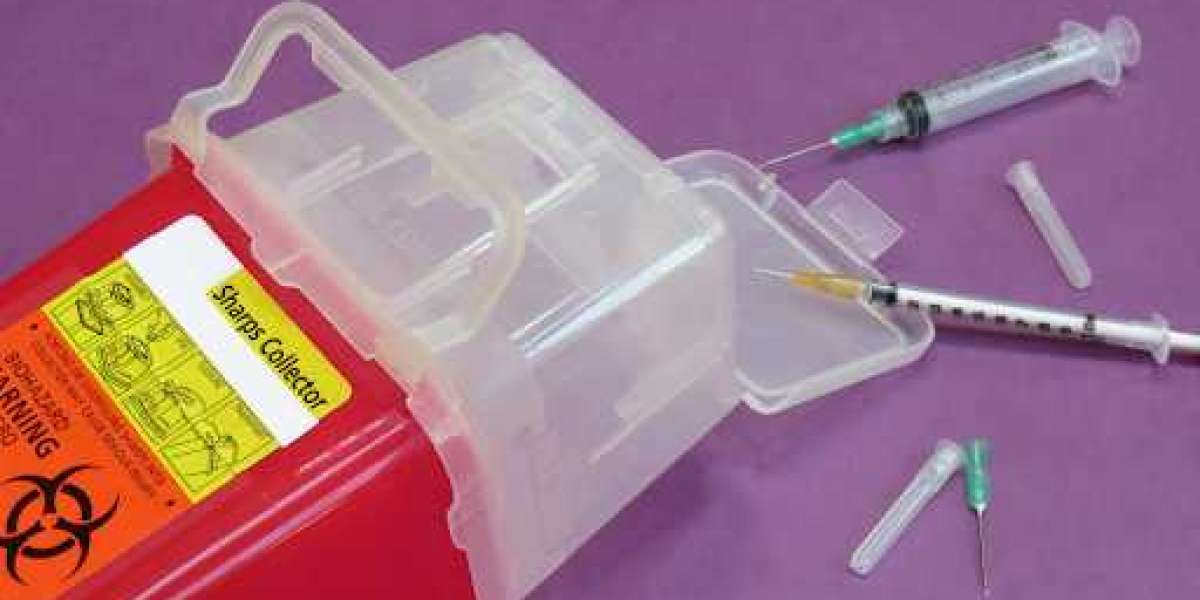
Sharps are items that can puncture or cut skin. These may include needles, syringes, lancets, scalpels, broken glass, and certain lab tools. Because they can cause injury and may carry infectious material, sharps should never be placed loose in regular trash.
Sharps containers are usually rigid, puncture-resistant, leak-resistant, and clearly labeled. They should be kept close to the area where sharps are used so disposal happens immediately. Containers should not be overfilled because this increases the risk of needle-stick injuries.
Storage Areas Should Be Secure
After waste is placed in the correct container, it may need to be stored before pickup or treatment. Storage areas should be clean, organized, and restricted to authorized staff. Containers should remain closed when not in use.
Waste should not be stored in public areas, hallways, or places where it could be knocked over. Facilities should also monitor storage time, odor, leakage, and container condition. Proper storage reduces risks before waste leaves the site.
Transportation Must Follow Rules
Medical waste transportation requires careful packaging, labeling, and documentation. Waste should be moved in approved containers that prevent leaks and spills. Transport workers must understand how to handle regulated waste safely.
A disposal provider may collect waste on a scheduled basis or as needed. Pickup frequency depends on the amount of waste generated, storage capacity, and facility requirements. Records of pickup and disposal should be maintained for accountability.
Treatment Makes Waste Safer
Before final disposal, regulated medical waste is usually treated to reduce potential hazards. Treatment methods may include autoclaving, incineration, chemical treatment, or other approved processes. The method used depends on the type of waste and local requirements.
Treatment helps reduce infection risk and prepares waste for final disposal. Some waste streams, such as pathological or pharmaceutical waste, may require different handling than general regulated medical waste. Facilities should understand how each waste category is managed.
Staff Training Is Essential
Even with the right containers and pickup service, mistakes can happen if staff are not trained. Training should explain how to identify waste types, where to place them, how to close containers, and what to do after a spill or injury.
Training should also cover personal protective equipment, hand hygiene, reporting procedures, and documentation. New employees should receive instruction before handling waste, and existing staff should receive refreshers when procedures change.
Documentation Supports Compliance
Medical waste records help show that waste was handled and disposed of properly. Documentation may include pickup receipts, manifests, treatment records, staff training logs, and written waste management procedures. These records may be needed during inspections or internal reviews.
Good documentation also helps facilities track waste volume and pickup schedules. If waste levels increase, the facility may need more containers or more frequent service. Keeping records organized can make compliance easier.
Final Thoughts
Medical waste disposal is a structured process that helps healthcare facilities manage waste safely from the point of generation to final treatment. It involves segregation, proper containers, secure storage, safe transportation, treatment, documentation, and staff training. For facilities that generate needles or other sharp items, planning sharps disposal in Maryland during the waste management process can help reduce injury risks and support safer daily operations. A clear disposal system protects staff, patients, waste handlers, and the surrounding community.