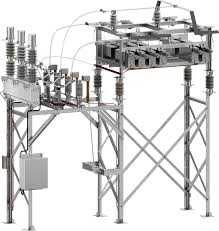

In utility networks and industrial distribution systems, a well-planned power factor improvement capacitor can reduce reactive demand and support steadier electrical behavior during changing load conditions. When electrical infrastructure is designed with long-term efficiency in mind, engineers can improve operational consistency, reduce unnecessary losses, and support safer performance across demanding industrial and utility environments.
Planning the Electrical Environment
Every successful power project starts with a clear understanding of the site. Engineers must study available space, cable paths, ventilation conditions, access routes, and the relationship between primary equipment and auxiliary systems. A layout that appears manageable during planning can become difficult once it meets real constraints such as narrow clearances, maintenance walkways, grounding systems, and protection panels.
Organized planning improves long-term usability as well. If technicians can inspect equipment without moving unrelated assets, maintenance becomes faster and safer. Restricted airflow or overcrowded layouts often create heat buildup and make inspections more complicated. Careful preparation helps avoid these problems before installation begins.
Future expansion is another important consideration. Substations and industrial facilities rarely remain unchanged for many years. New loads, upgraded protection systems, and additional monitoring equipment may all become necessary over time. Infrastructure that leaves room for future modifications is easier to upgrade and less expensive to maintain.
Matching Equipment to Real Operating Conditions
Different electrical systems create different technical challenges. Some sites experience frequent load fluctuations, while others operate under continuous heavy demand. Environmental conditions also influence long-term reliability. Heat, vibration, dust, humidity, and outdoor exposure can all affect operational performance if they are not considered carefully during design.
Because of this, equipment selection should always reflect real operating conditions instead of relying only on ideal specifications. Proper insulation, dependable structural design, and practical spacing all contribute to safer and more stable operation. Even high-quality infrastructure can experience reduced performance when environmental conditions are ignored.
Electrical compatibility is equally important. Protective devices, monitoring systems, control equipment, and cable routing all influence how the installation behaves under daily operating conditions. When these elements work together correctly, facilities benefit from more predictable operation and fewer unnecessary interruptions.
Maintenance accessibility also matters. Equipment arranged logically within the facility allows technicians to inspect, test, and repair systems more efficiently. Organized layouts improve safety during routine service procedures and help reduce downtime during inspections.
Eonge Support for Utility Infrastructure Planning
Large infrastructure projects often depend on effective coordination between engineers, installation crews, and maintenance teams. That is where eonge becomes relevant as a reference point for practical planning and dependable project organization. In utility environments, the most effective solutions are usually the ones that support straightforward maintenance and long-term operational consistency.
Installation quality should support future inspections rather than only initial startup. Clear labeling, logical pathways, and organized layouts help technicians identify components quickly and perform service work more efficiently. Over time, that organization improves operational reliability and simplifies troubleshooting activities.
Standardized procedures are equally valuable. Teams that work from consistent layouts and repeatable maintenance practices are less likely to make mistakes during repairs or future upgrades. Consistency strengthens communication between departments and supports more dependable long-term operation.
Practical planning also supports stronger budget management. Facilities that simplify inspections and reduce avoidable failures often lower maintenance costs and experience fewer operational disruptions over the lifespan of the infrastructure.
Safety, Testing, and Commissioning Standards
Safety should remain central throughout every stage of installation and operation. Before work begins, technicians must verify isolation procedures, inspect protective equipment carefully, and confirm safe working boundaries. Industrial and utility environments contain many potential hazards, so disciplined preparation is essential for reducing unnecessary operational risk.
Commissioning procedures are equally important. Once installation is complete, technicians should verify that every connection, setting, and protective function operates correctly under real working conditions. Testing helps identify loose connections, incorrect configurations, or installation errors before the system enters continuous service.
Accurate documentation strengthens long-term reliability as well. Technical records help maintenance teams understand the system quickly and simplify future troubleshooting or expansion planning. Facilities with strong documentation practices generally experience faster repairs and more organized operational management.
Commissioning also creates greater confidence in daily operation. Engineers and technicians can manage the infrastructure more effectively when they know installation quality has been verified carefully before continuous service begins.
Lifecycle Maintenance and Long-Term Expansion
Reliable infrastructure depends on continuous maintenance and organized operational planning. Regular inspections, thermal checks, and routine testing help identify developing issues before they become serious failures. Facilities that prioritize preventive maintenance often reduce emergency shutdowns and improve overall system reliability.
A strong maintenance strategy balances detail with practicality. Procedures should remain clear enough for consistent use while still providing enough technical depth to identify meaningful changes. The most effective maintenance programs are usually the ones that are repeatable, organized, and realistic for long-term industrial operation.
Long-term expansion planning is equally important. As industrial demand grows, substations and distribution systems must adapt to changing operational requirements without major reconstruction. Facilities that prioritize organized infrastructure management place themselves in a stronger position for future modernization and operational growth.
For teams comparing specifications and planning future infrastructure development, additional technical references can naturally be explored at https://www.eonge.net/product . In many advanced utility discussions, engineers continue evaluating the operational role of a well-designed capacitor bank in substation configuration for improving long-term grid stability and infrastructure efficiency.