
When people start thinking about braces or Invisalign, the first question that comes to mind is usually about the cost. And right after that comes the next big question: does my dental insurance cover any of this?
The good news is that many dental insurance plans do include some coverage for orthodontic treatment. But the details matter a lot. Understanding how dental insurance works with orthodontics can save you hundreds or even thousands of dollars. This guide explains everything clearly so you can make the right decisions for yourself and your family.
What Is Orthodontic Coverage in Dental Insurance?
Dental insurance is split into different types of services. Most plans cover three categories, which are preventive care like cleanings and checkups, basic care like fillings, and major care like crowns or extractions. Orthodontics falls into its own separate category and is not automatically included in every plan.
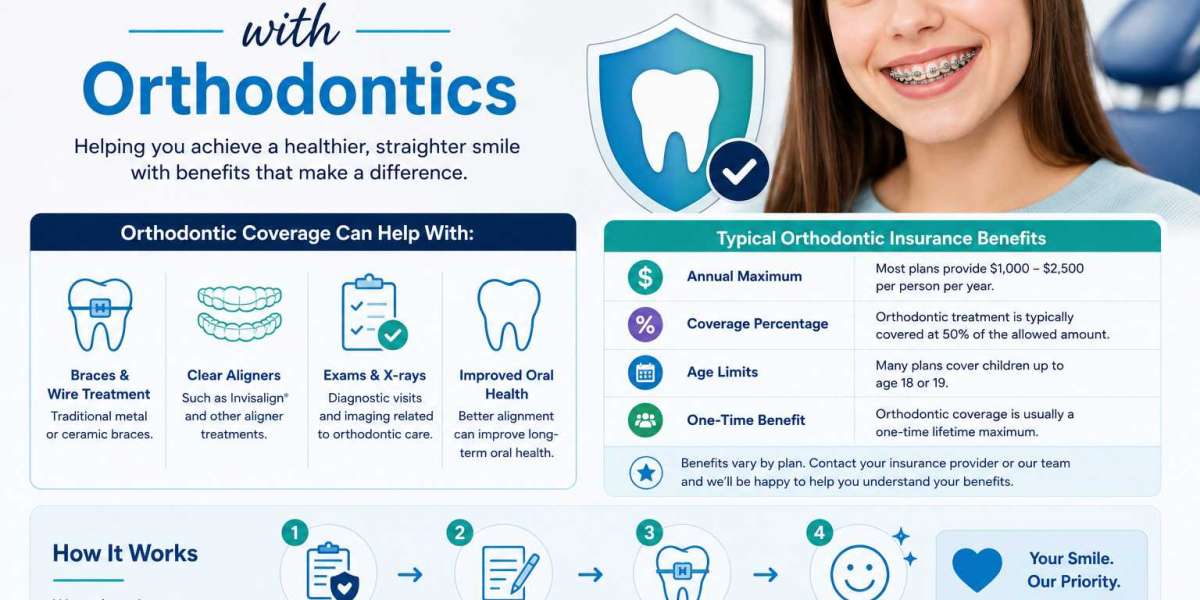
When a dental insurance plan does include orthodontic benefits, it usually works differently from regular dental coverage. Instead of covering a percentage of each visit, orthodontic insurance typically pays a lifetime maximum benefit toward the total cost of treatment. This means the plan will pay a set amount once during your lifetime, and the rest is your responsibility.
How Much Does Dental Insurance Typically Cover for Orthodontics?
Most dental insurance plans that include orthodontic benefits offer a lifetime maximum between one thousand dollars and two thousand dollars. Some employer-sponsored plans go higher, especially those designed for families. A few premium plans may cover up to three thousand dollars or more.
This might sound like a lot, but when you consider that braces or Invisalign can cost between four thousand and eight thousand dollars depending on the complexity of your case, you can see that insurance covers a portion of the cost, not all of it. Still, having even one thousand five hundred dollars covered makes a real difference.
Does Dental Insurance Cover Braces for Adults?
This is one of the most common questions people ask. The honest answer is that it depends on your specific plan.
Many dental insurance plans limit orthodontic benefits to patients under the age of eighteen or nineteen. These are called child-only orthodontic benefits. If you are an adult looking for braces or Invisalign, you may find that your current plan does not include coverage for you.
However, some plans do extend orthodontic benefits to adults. These are less common, but they do exist, especially through employer group plans or certain individual plans purchased through the health insurance marketplace. If adult coverage matters to you, it is worth reviewing your plan documents carefully or calling your insurance provider directly to ask.
Does Insurance Cover Invisalign the Same Way as Braces?
Yes, in most cases. If your dental insurance plan includes orthodontic benefits, it typically covers Invisalign and traditional braces under the same terms. The insurance company looks at the treatment as orthodontic care regardless of whether you choose metal braces, clear braces, or clear aligners like Invisalign.
The key thing to check is that your orthodontist is in-network with your insurance provider. Using an in-network orthodontist ensures you get the maximum benefit your plan allows. An out-of-network orthodontist may still accept your insurance, but your out-of-pocket costs could be higher.
What Is a Waiting Period and Does It Apply to Orthodontics?
Some dental insurance plans have a waiting period before orthodontic benefits kick in. A waiting period means you have to be enrolled in the plan for a certain amount of time, usually six months to twelve months, before you can use your orthodontic benefits.
This is important to know before you start treatment. If you just enrolled in a new plan and immediately want to begin orthodontic treatment, check whether a waiting period applies. Starting treatment before your benefits are active means those costs will not be covered.
How to Use Your Dental Insurance for Orthodontic Treatment
The process is straightforward when you know the steps.
First, call your insurance provider and ask specifically about your orthodontic benefits. Ask what your lifetime maximum is, whether there is a waiting period, what the age limit is, and whether the treatment you want is covered.
Second, when you schedule a consultation with an orthodontist, let the office know which insurance plan you have. A good orthodontic office will verify your benefits before your appointment and explain exactly what your insurance will cover and what your out-of-pocket cost will be.
Third, once treatment begins, your insurance company typically pays either a lump sum upfront or in installments throughout the treatment period. Your orthodontic office manages the billing and keeps you informed.
What If Your Insurance Does Not Cover Orthodontics?
If your dental insurance does not include orthodontic benefits or the coverage is not enough, there are other ways to manage the cost.
Many orthodontic offices offer flexible in-house payment plans that spread the cost over the length of treatment with little or no interest. A flexible spending account or health savings account can also be used to pay for orthodontic treatment with pre-tax dollars, which effectively reduces your overall cost.
Some families also choose to look at their insurance options during open enrollment and select a plan that includes stronger orthodontic benefits if they know treatment is coming up.
Why Getting the Right Information Matters
Orthodontic treatment is a long-term investment in your health and your confidence. A straighter bite does not just look better; it also reduces wear on your teeth, makes cleaning easier, and can prevent bigger dental problems later in life.
Understanding your dental insurance with orthodontics before you start means you will not face any surprise bills. It also helps you plan ahead so you can choose the treatment that fits both your dental needs and your budget.
If you have questions about how your insurance applies to braces or Invisalign, the best first step is to schedule a consultation with an experienced orthodontist who can walk you through your options and help you get the most from your coverage.