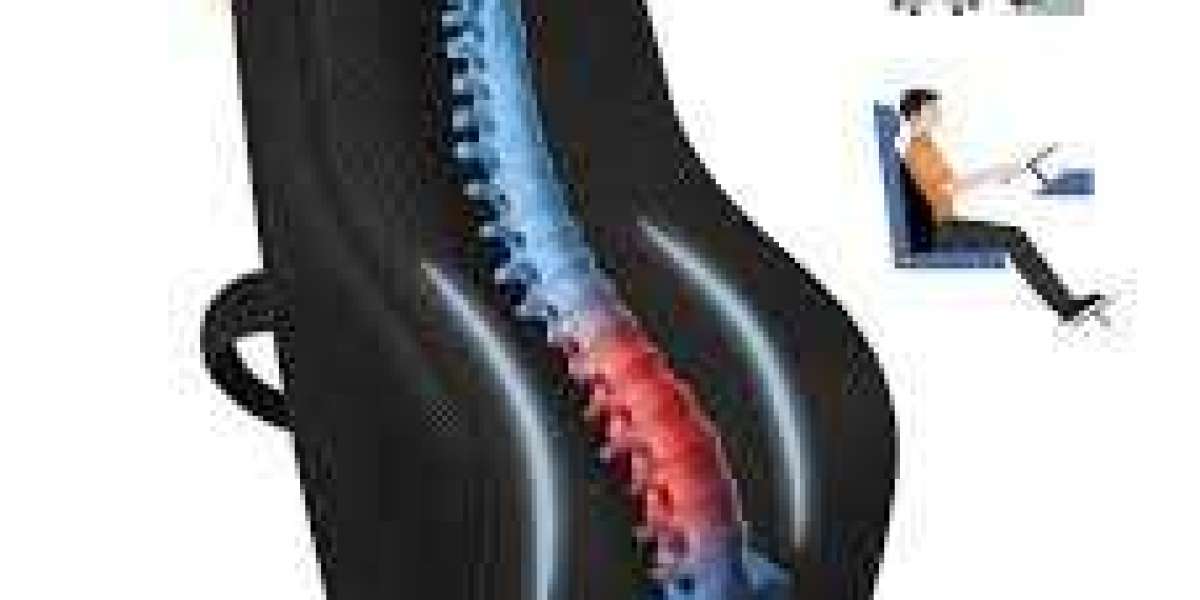

In long workdays and quiet evenings alike, posture is often the first thing to suffer when a chair does not offer enough support. A Memory Foam Lumbar Support Backrest can help restore balance to the lower spine, while a Memory Foam Lumbar Support Backrest can also make sitting feel less demanding on the body. With the right shape, density, and placement, supportive seating can encourage a more natural posture without making the user feel stiff or restricted. That is especially valuable for office workers, remote professionals, students, and anyone who spends hours in the same position. Comfort becomes more practical when it is built into the design rather than added as an afterthought.
Why Support at the Lower Back Matters
The lower back carries a surprising amount of pressure during sitting, especially when the torso leans forward or the chair lacks a proper curve. Over time, that pressure may lead to soreness, fatigue, and the habit of slouching. A well-placed backrest helps guide the body into a more stable position, reducing the urge to collapse into the seat. This matters not only for comfort but also for concentration, because physical strain often pulls attention away from work and toward the need for relief. A stronger sitting foundation can make a long day feel more manageable from start to finish.
How Memory Foam Adapts to the Body
Memory foam has earned its popularity because it responds to pressure in a gradual and supportive way. Instead of pushing too hard or flattening too quickly, it molds to the back and helps distribute weight more evenly. That gives the user a more personalized feeling of support, especially when the same chair is used for long periods. Breathability also plays a role in comfort, since a supportive backrest should feel pleasant in both warm and cool environments. When the foam, fabric, and structure all work together, the result is a seated experience that feels calm, steady, and dependable.
Brand Spotlight: Yiyoubaotechnology Comfort Design
Yiyoubaotechnology has focused on making ergonomic seating solutions that feel straightforward and effective in daily life. Rather than relying on unnecessary complexity, the brand emphasizes support that fits naturally into office chairs, study chairs, and home seating. A well-designed backrest should help the body settle into better posture without requiring constant adjustment, and that is the kind of experience many users value most. Practical design choices, durable materials, and consistent shaping all contribute to a product that feels reliable over time. For people who want comfort that supports routine, this approach can be a meaningful improvement.
Choosing the Right Setup for Better Results
Even a strong backrest performs best when it is used correctly. Positioning matters because the support should rest against the inward curve of the lower back rather than sitting too high or too low. Chair height, desk setup, and screen placement all influence how the body settles during the day. If the feet cannot rest comfortably on the floor, or if the shoulders stay lifted for too long, the benefits of the support may be reduced. Short standing breaks and gentle stretching can help the body reset, making the backrest part of a healthier overall rhythm. The best results often come from small adjustments repeated consistently.
More Than a Comfort Accessory
A thoughtful backrest is not only about making a chair feel softer. It can also help improve awareness of posture, reduce unnecessary tension, and create a more productive environment. Over time, better support may encourage habits that last beyond a single work session, especially for people who spend much of the day seated. That is why a good ergonomic solution can feel like a quiet but important upgrade to everyday life. It supports not just the body, but also the ability to stay focused, relaxed, and ready for the tasks ahead. For more details on ergonomic seating support, visit https://www.yiyoubaotechnology.com/