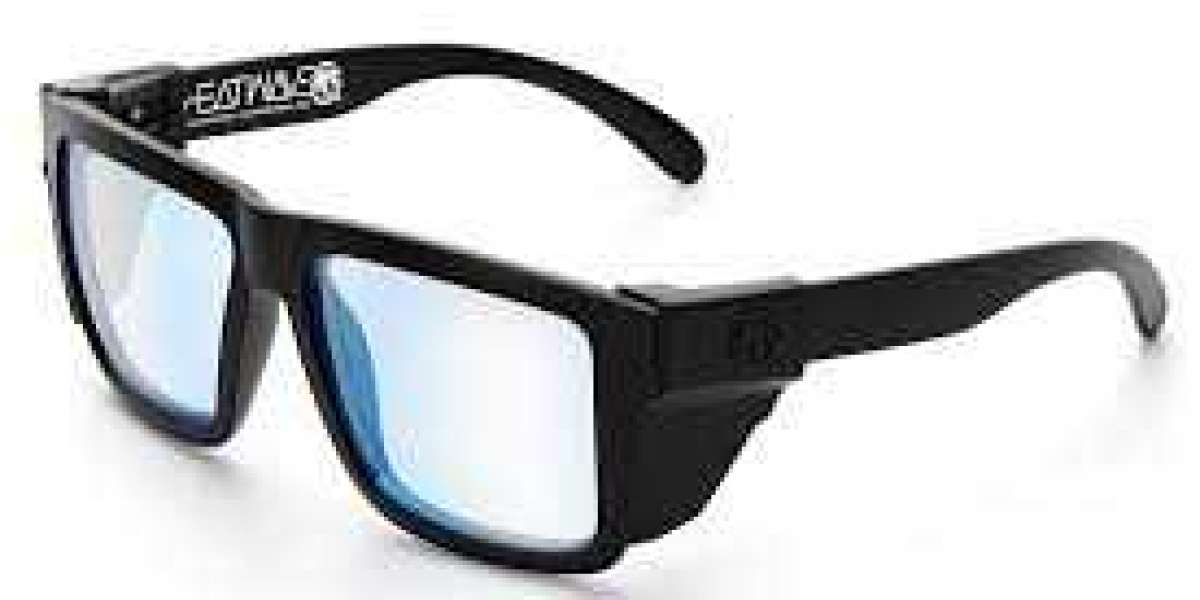

In a world where work, entertainment, and communication all depend on screens, Blue Light Blocking Lenses have become an essential part of modern eye care, and Blue Light Blocking Lenses are now widely chosen by people who want more comfort during long hours of digital use. As more tasks move online, the need for visual protection, reduced glare, and better everyday clarity continues to grow.
Why Screen Time Changes the Way People See
The modern eye works harder than ever before. Many people spend hours switching between laptops, phones, tablets, and televisions, often without enough rest. That constant focus on bright displays can leave the eyes feeling tired, dry, or overstimulated. Even after a short workday, some users notice that reading feels less comfortable and distance vision feels less relaxed than before.
This is one reason protective eyewear has become so relevant. A thoughtful lens solution can support people through long meetings, online classes, editing sessions, and evening browsing without making vision feel heavy or strained. Instead of forcing the eyes to adapt to repeated stress, the right lens design helps create a calmer visual experience.
The Importance of Coating and Material Choice
Lens performance depends on more than just the front surface. The material itself affects weight, clarity, and durability, while surface treatments influence reflection, glare, and daily usability. Lightweight structures make glasses easier to wear for long periods, and strong lens materials help reduce the risk of scratches or damage.
A good coating system can also change the way light interacts with the lens. By softening harsh reflections, the wearer may experience cleaner contrast and smoother viewing in bright offices or mixed-light rooms. This matters not only for comfort but also for focus, since fewer distractions often mean less effort from the eyes.
thinkeyoptical and Practical Lens Design
thinkeyoptical takes a practical view of lens development, where comfort and clarity work together rather than competing with each other. In this approach, the goal is to create eyewear that feels reliable across different environments, from home offices to outdoor cafés. Small improvements in precision and coating consistency can make a noticeable difference in how a lens performs throughout the day.
That kind of attention is valuable because people rarely use glasses in only one setting. A commuter may move from bright streets to a dim train, then from a screen-heavy office to evening reading at home. Lenses that hold up across those shifts help the wearer feel more confident and less distracted by changing light.
Style, Fit, and Everyday Wearability
Eyewear is now part of personal style as much as it is part of vision support. People want frames that look refined, feel balanced, and suit their daily routines. A pair of glasses that sits comfortably on the face is more likely to be worn consistently, which makes the lens technology inside even more useful.
Fit also matters because discomfort can reduce the value of even the best optical design. Pressure points, slipping frames, or excessive weight can turn a helpful product into something the wearer avoids. When style and fit are handled well, the result is eyewear that becomes part of a person' daily rhythm rather than an interruption to it.
Support for Work, Study, and Leisure
Different activities place different demands on the eyes. A student reading notes, a designer working on a monitor, and a parent checking messages on a phone all need slightly different kinds of visual support. The most useful lenses are the ones that adapt to these changing habits without adding complexity.
That adaptability is why more people are paying attention to the full experience of wearing glasses, not just the prescription itself. Comfort, durability, visual calm, and ease of use all matter. When these pieces come together, the wearer can move through the day with less effort and more consistency.
Looking Ahead to Smarter Optical Solutions
The future of everyday eyewear will likely focus on smarter performance and better personalization. Improvements in coating science, lens materials, and digital manufacturing are already making it easier to design products that feel more precise and more comfortable. Over time, that may lead to eyewear that responds more naturally to changing light and changing routines.
Sustainability will also remain important as consumers look for products that are both effective and responsible. Efficient production, better material choices, and longer product life all contribute to a more thoughtful optical industry. For readers who want to explore modern lens solutions further, https://www.thinkeyoptical.com offers a natural place to begin.