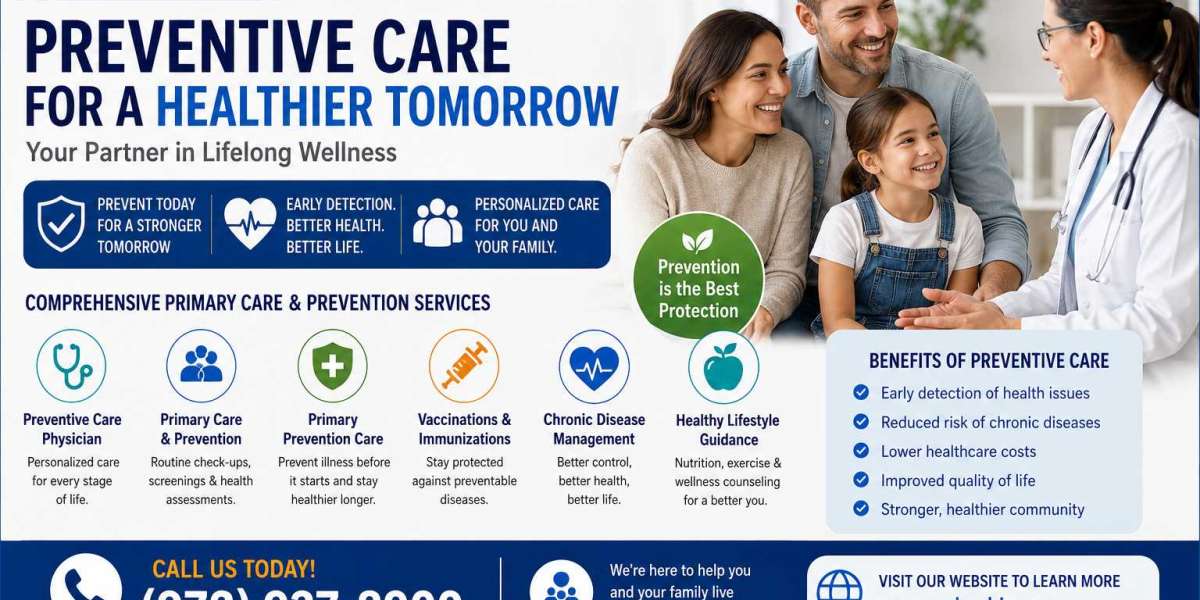

Maintaining good health requires more than simply treating illnesses when symptoms appear. Preventive healthcare focuses on identifying health risks early, promoting healthier lifestyle habits, and helping individuals avoid serious medical conditions before they develop. This is where a trusted preventive care physician becomes an essential part of long-term wellness. Through comprehensive primary care and prevention services, patients can receive personalized healthcare support that improves overall quality of life and supports healthier living.
In today’s fast-paced world, many people delay routine medical appointments until health problems become severe. However, consistent primary prevention care can help detect medical concerns early, reduce healthcare costs, and improve long-term health outcomes. Preventive healthcare plays a critical role in helping individuals and families maintain wellness at every stage of life.
What Is Preventive Healthcare?
Preventive healthcare focuses on preventing illnesses rather than simply treating them after symptoms occur. A preventive care physician helps patients stay proactive about their health through routine screenings, wellness exams, immunizations, and lifestyle counseling.
Primary care and prevention services are designed to:
- Identify health concerns early
- Reduce the risk of chronic disease
- Promote healthier lifestyle habits
- Improve long-term wellness
- Encourage routine healthcare monitoring
Preventive healthcare is beneficial for patients of all ages because it helps support overall physical and emotional well-being.
The Role of a Preventive Care Physician
A preventive care physician serves as a long-term healthcare partner who helps patients maintain better health through proactive medical support.
These healthcare professionals provide:
- Annual wellness exams
- Preventive screenings
- Chronic disease management
- Vaccinations and immunizations
- Lifestyle and nutrition counseling
- Health risk assessments
By building strong patient relationships, preventive care physicians can better understand each individual’s medical history and healthcare needs.
Understanding Primary Care and Prevention
Primary care and prevention services focus on maintaining overall wellness through consistent healthcare management and early intervention.
Primary care physicians provide comprehensive healthcare support for:
- Acute illnesses
- Preventive screenings
- Long-term disease management
- Routine medical evaluations
- Wellness planning
Prevention-focused healthcare helps patients stay informed about their health while reducing the likelihood of future medical complications.
What Is Primary Prevention Care?
Primary prevention care refers to healthcare strategies designed to prevent diseases before they occur.
Examples include:
- Vaccinations
- Blood pressure monitoring
- Cholesterol screenings
- Cancer screenings
- Nutrition counseling
- Exercise recommendations
- Smoking cessation support
Primary prevention care encourages patients to adopt healthier habits that reduce long-term health risks and improve quality of life.
Why Preventive Healthcare Is Important
Preventive healthcare offers many long-term benefits for individuals and families.
Early Detection of Health Conditions
Routine screenings can identify medical conditions before symptoms become severe.
Early detection often improves treatment outcomes for conditions such as:
- Diabetes
- High blood pressure
- Heart disease
- Certain cancers
- High cholesterol
Patients who receive regular preventive care are more likely to identify health concerns early and begin treatment sooner.
Reducing Healthcare Costs
Preventive care can help reduce expensive emergency visits and hospitalizations by managing conditions before they worsen.
Regular wellness appointments often prevent complications that require advanced medical treatment.
Supporting Healthier Lifestyles
A preventive care physician provides personalized recommendations that help patients maintain healthier daily habits.
Lifestyle guidance may include:
- Nutrition planning
- Weight management
- Physical activity recommendations
- Stress reduction strategies
- Sleep improvement tips
Healthy habits can significantly improve overall wellness and long-term health outcomes.
Common Preventive Healthcare Services
Primary care and prevention services include a variety of important medical evaluations and wellness programs.
Annual Physical Exams
Routine physical exams allow physicians to monitor:
- Blood pressure
- Weight and BMI
- Heart health
- General wellness
These visits help identify changes in health over time.
Vaccinations and Immunizations
Vaccines protect patients from serious illnesses and support public health.
Common immunizations may include:
- Flu vaccines
- Tetanus boosters
- Pneumonia vaccines
- COVID-19 vaccines
Preventive immunizations are important for both children and adults.
Cancer Screenings
Preventive screenings help detect cancers early when treatment is often more effective.
Examples include:
- Mammograms
- Colon cancer screenings
- Skin cancer evaluations
- Cervical cancer screenings
Early diagnosis can significantly improve treatment success.
Blood Pressure and Cholesterol Monitoring
High blood pressure and cholesterol often develop without noticeable symptoms.
Routine monitoring helps reduce the risk of:
- Stroke
- Heart disease
- Kidney damage
Consistent healthcare visits allow physicians to track these important health indicators.
Preventive Healthcare for Chronic Disease Management
Many individuals use preventive healthcare services to manage chronic medical conditions more effectively.
Conditions commonly monitored through primary care include:
- Diabetes
- Asthma
- Hypertension
- Arthritis
- Heart disease
Preventive care physicians help patients monitor symptoms, adjust treatments, and improve overall disease management.
The Importance of Preventive Healthcare for Families
Preventive healthcare benefits every stage of life.
Pediatric Preventive Care
Children benefit from:
- Wellness exams
- Developmental screenings
- Vaccinations
- Nutrition guidance
Early preventive care supports healthy growth and development.
Adult Preventive Care
Adults require regular screenings and wellness evaluations to maintain long-term health.
Preventive care helps adults manage stress, chronic conditions, and age-related health concerns.
Senior Preventive Care
Older adults often need additional monitoring for:
- Bone health
- Heart conditions
- Mobility concerns
- Medication management
Preventive healthcare helps seniors maintain independence and quality of life.
Mental Health and Preventive Care
Preventive healthcare also supports emotional and mental well-being.
A preventive care physician may help patients address:
- Anxiety
- Depression
- Stress management
- Sleep problems
Mental health is closely connected to physical health, making comprehensive wellness care essential.
Healthy Habits That Support Preventive Care
In addition to regular medical visits, healthy daily habits are essential for maintaining wellness.
Eat a Balanced Diet
Nutritious foods support heart health, energy levels, and immune function.
Exercise Regularly
Physical activity improves:
- Muscle strength
- Circulation
- Weight management
- Mental health
Regular exercise reduces the risk of many chronic diseases.
Prioritize Sleep
Quality sleep is important for:
- Immune health
- Brain function
- Emotional well-being
- Physical recovery
Adults should aim for consistent, restful sleep each night.
Manage Stress
Chronic stress can negatively affect both physical and emotional health.
Helpful stress management techniques include:
- Meditation
- Deep breathing exercises
- Exercise
- Relaxation activities
A preventive care physician can offer guidance on stress reduction strategies.
Why Regular Healthcare Visits Matter
Even individuals who feel healthy should schedule routine wellness appointments.
Regular healthcare visits allow physicians to:
- Track health changes
- Monitor risk factors
- Provide preventive screenings
- Update vaccinations
- Offer personalized wellness guidance
Preventive healthcare encourages patients to stay proactive and informed about their overall wellness.
Choosing the Right Preventive Care Physician
Selecting a trusted healthcare provider is an important step toward better health.
When choosing a preventive care physician, consider:
- Experience and qualifications
- Communication style
- Preventive healthcare focus
- Accessibility and convenience
- Personalized treatment approach
A strong patient-provider relationship supports long-term healthcare success and better wellness outcomes.
Conclusion
Preventive healthcare is one of the most effective ways to maintain long-term wellness and improve overall quality of life. Through comprehensive primary care and prevention services, a skilled preventive care physician can help patients identify health concerns early, manage chronic conditions, and adopt healthier lifestyle habits that support lifelong wellness.
Primary prevention care focuses on reducing health risks before illnesses develop, helping individuals stay proactive about their physical and emotional well-being. By scheduling routine healthcare visits and prioritizing preventive services, patients can improve health outcomes, reduce future complications, and enjoy healthier lives.
To learn more about preventive healthcare and comprehensive wellness services, visit:
https://sccwaxahachie.com/