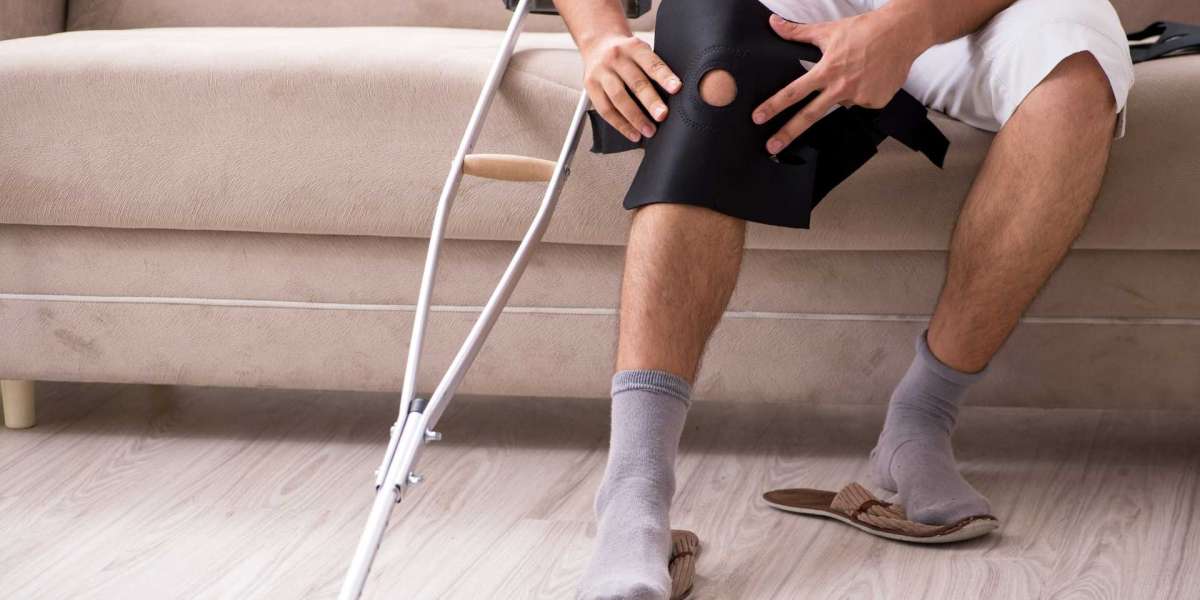

Overuse injuries are common among active adults who participate in regular exercise, sports, or physically demanding routines. Unlike sudden injuries that occur from a single event, overuse injuries develop gradually when repeated stress is placed on muscles, tendons, joints, or bones without enough time for recovery. Many individuals continue their activities despite mild discomfort, assuming it will settle on its own, but these small stresses may accumulate over time. Sports Physiotherapy Edmonton focuses on understanding how these repetitive loads affect the body and how physiotherapy may support recovery and long-term movement efficiency.
Active adults often increase their training intensity, duration, or frequency as part of their fitness goals. While progression is important for improvement, doing too much too quickly may exceed the body’s ability to adapt. Tissues such as tendons and muscles require time to recover after being loaded. When recovery is insufficient, micro-irritations may develop and gradually lead to discomfort. Sports Physical therapy Edmonton evaluates how training patterns influence tissue stress and how gradual adjustments may help reduce overload.
Common examples of overuse injuries include tendon irritation in areas such as the shoulder, elbow, knee, or Achilles tendon. These conditions may present as persistent soreness during or after activity, stiffness in the morning, or discomfort that increases with repeated movement. Sports Physiotherapy Edmonton focuses on how these tissues respond to load and introduces progressive strengthening strategies that may support adaptation rather than avoidance of movement.
Repetitive impact activities such as running may also contribute to overuse injuries. The lower limbs absorb forces with each step, and changes in running distance, speed, or surface may influence how these forces are distributed. When certain muscles are not providing adequate support, other structures may take on additional stress. Sports Physical therapy Edmonton assesses how the hips, knees, and ankles work together during movement and supports improved coordination across these regions.
Movement patterns play a significant role in overuse injuries. The body often adapts to repeated tasks by reinforcing the same movement strategy, even if it is not the most efficient. Over time, this may lead to excessive load on specific tissues. Sports Physiotherapy Edmonton evaluates these patterns and focuses on retraining movement so that stress is distributed more evenly throughout the body.
Muscle imbalances are another contributing factor. Some muscles may become dominant while others remain underactive, creating uneven force distribution. For example, weak hip muscles may lead to increased stress on the knee during running or squatting. Sports Physical therapy Edmonton addresses these imbalances by improving strength and coordination in supporting muscle groups.
Joint mobility also influences how the body handles repetitive movement. Limited mobility in areas such as the hips or ankles may cause compensations that increase strain elsewhere. Sports Physiotherapy Edmonton includes mobility exercises that aim to restore natural movement and reduce unnecessary stress on specific tissues.
Recovery habits are equally important in managing overuse injuries. Sleep quality, hydration, and rest between training sessions all contribute to how the body repairs and adapts. Without adequate recovery, even moderate activity levels may lead to persistent discomfort. Sports Physical therapy Edmonton provides guidance on balancing activity and recovery to support long-term participation in exercise.
Another important factor is technique. Whether lifting weights, running, or performing sport-specific movements, technique influences how forces are absorbed and distributed. Inefficient technique may place repeated strain on certain areas. Sports Physiotherapy Edmonton evaluates these mechanics and supports adjustments that may improve movement efficiency.
Footwear and training surfaces may also play a role. Changes in shoes or exercising on harder or uneven surfaces may alter how impact forces are managed. Sports Physical therapy Edmonton considers these external factors when assessing overuse injuries and provides recommendations that align with activity demands.
Overuse injuries may also affect confidence in movement. Individuals may begin to limit activity due to discomfort, which can lead to reduced conditioning over time. Sports Physiotherapy Edmonton supports gradual return to activity by addressing underlying factors while maintaining movement confidence.
The body functions as an integrated system, meaning that a problem in one area may influence another. For example, reduced ankle mobility may affect knee alignment, or hip weakness may contribute to lower back strain. Sports Physical therapy Edmonton takes this whole-body approach to identify contributing factors and support balanced movement patterns.
Education is a key part of managing and preventing overuse injuries. Understanding how training progression, recovery, and movement patterns influence injury risk may help individuals make informed decisions. Sports Physiotherapy Edmonton encourages awareness of early symptoms so adjustments can be made before discomfort increases.
Before concluding, individuals experiencing ongoing discomfort from repetitive activity may explore care options at Momentum Spine Sports Physiotherapy.