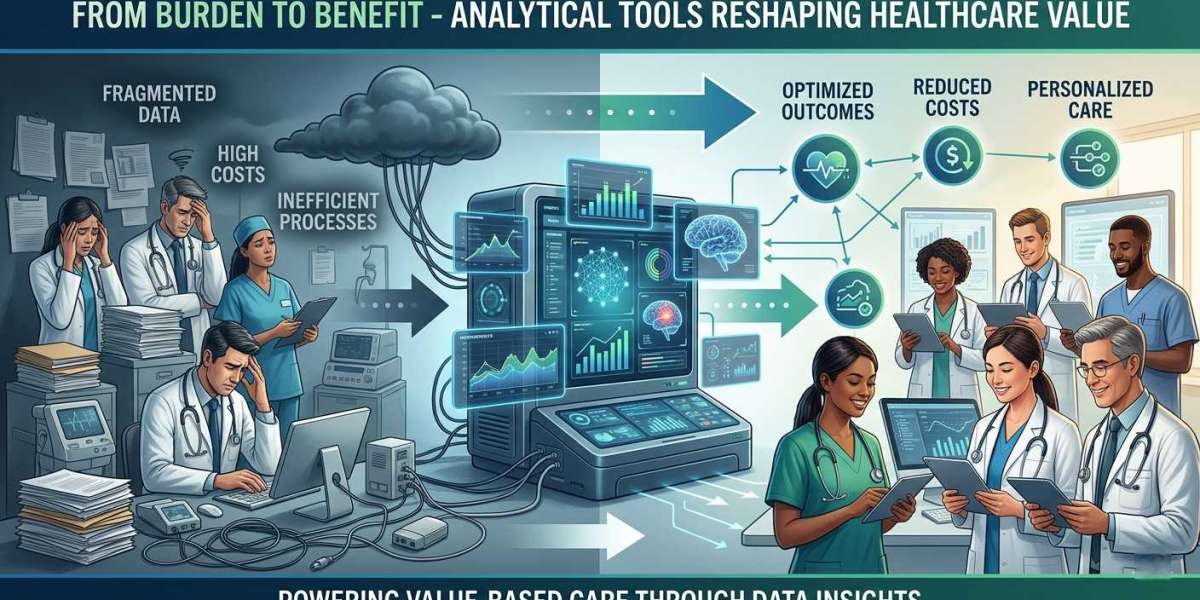

Healthcare systems everywhere face the same fundamental tension — how to deliver better outcomes for more people while managing constrained resources. Resolving this tension requires more than good intentions or clinical innovation alone. It demands sophisticated analytical frameworks that connect clinical evidence to economic reality, enabling decision-makers to allocate resources where they will deliver the greatest measurable benefit.
The foundation of much of this work begins with economic burden analysis healthcare. Before stakeholders can evaluate a potential solution, they must first understand the magnitude of the problem. Disease burden analyses quantify the cumulative costs that specific conditions impose on patients, health systems, and broader society. From direct costs like emergency hospitalizations and specialist consultations to indirect costs including absenteeism, premature mortality, and caregiver burden, these comprehensive assessments reveal the true economic stakes of inadequate or delayed treatment.
Building on that foundation, clinical and economic outcomes analysis provides the comparative lens through which competing interventions can be evaluated. This methodology integrates endpoint data from clinical research — survival, disease progression, adverse event rates — with economic parameters like treatment costs, hospitalization rates, and downstream healthcare utilization. The result is a multidimensional assessment that speaks to both physicians evaluating individual patient treatment plans and payers designing population-level coverage policies.
Generating trustworthy outcomes analyses increasingly requires harnessing real world data analysis healthcare. The limitations of randomized controlled trials — narrow eligibility criteria, short follow-up periods, controlled treatment conditions — mean that trial evidence alone rarely tells the complete story of a therapy's real-world performance. Observational studies, pragmatic trials, and analyses of routinely collected health data fill these gaps, providing regulators and payers with the longitudinal, population-representative evidence they need to make confident coverage decisions.
The analytical rigor of any outcomes study also depends on the selection and application of appropriate healthcare cost analysis methods. These methodologies vary considerably in scope, perspective, and complexity. Budget impact models assess the short-term financial implications of introducing a new therapy into a health system. Cost-effectiveness analyses evaluate the long-term trade-off between incremental cost and incremental clinical benefit. Cost-utility analyses express outcomes in quality-adjusted life years, enabling comparisons across therapeutic areas. Selecting the right approach — and executing it transparently — is fundamental to producing evidence that will withstand scrutiny from health technology assessment bodies.
Scrutiny from these bodies directly shapes pricing and market access analysis strategies. Pharmaceutical companies navigating multi-market launches must develop tailored value stories for each jurisdiction, reflecting local epidemiological data, healthcare system structures, comparator therapies, and payer priorities. Countries with explicit willingness-to-pay thresholds require different analytical approaches than markets with more discretionary coverage processes. Understanding these nuances — and backing them with robust economic evidence — is what separates successful market access strategies from those that stall at the reimbursement stage.
All of these efforts ultimately serve the broader goals of value based healthcare analysis. A value-based lens forces every stakeholder — manufacturers, providers, payers, and patients — to ask harder questions about what healthcare spending is actually achieving. Are patients living longer? Are they experiencing better functional health? Are avoidable hospitalizations being prevented? These questions cannot be answered by claims data or clinical trial reports alone. They require integrated analytical systems that track patient journeys over time, across care settings, and at scale.
The analytical infrastructure being built to answer these questions is as important as the data itself. Organizations that invest in the talent, technology, and methodological expertise to perform these analyses at scale are gaining a durable competitive advantage in a healthcare market that rewards evidence above all else.
Conclusion
Healthcare's most pressing challenges demand more than clinical ingenuity — they require analytical clarity. By systematically applying burden assessments, outcomes analyses, and value-based frameworks, stakeholders can transform complex data into actionable insights. The journey from disease burden to therapeutic benefit is navigated most successfully when rigorous health economics thinking guides every strategic and clinical decision along the way.