
In modern industrial engineering systems, Generator Box is widely used as a core component for distributed energy management, and Generator Box also plays a crucial role in stabilizing mobile and fixed power infrastructures where reliability, scalability, and safety are required under demanding operational conditions.
1. Industrial Power Architecture and System Integration
Industrial power systems today are no longer isolated machines but interconnected architectures designed to support continuous energy flow. A Generator Box is typically integrated into a broader ecosystem that includes load balancing modules, monitoring sensors, and automated switching systems.
This integration ensures that energy is distributed efficiently across multiple endpoints without causing overload or instability. In factories, construction sites, and remote operations, system architecture must support both peak demand and idle efficiency. Engineers design these systems so that energy can be redirected instantly when one unit fails or when demand suddenly increases.
Another important aspect is redundancy. Industrial systems cannot afford downtime, so backup configurations are often embedded within the same network. This ensures continuous operation even during maintenance or unexpected faults.
2. Thermal Regulation and Operational Stability
Heat management is one of the most critical engineering challenges in energy systems. When power units operate continuously under heavy load, heat accumulation can reduce performance and shorten equipment lifespan.
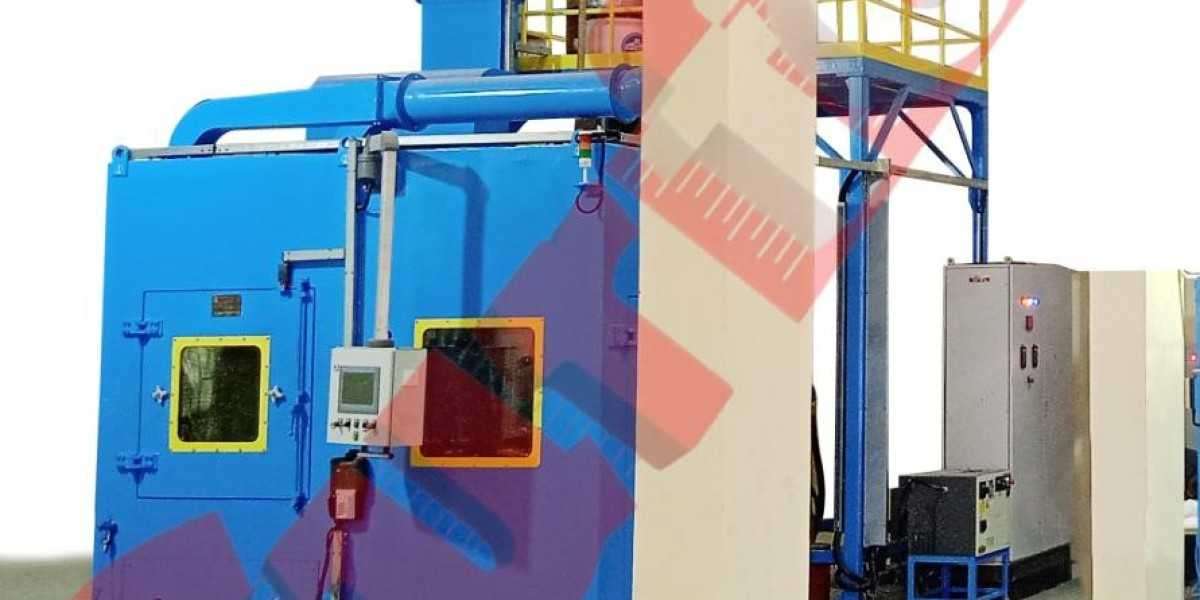
To solve this, modern systems use layered cooling strategies. These include forced air circulation, heat sinks, and optimized internal spacing that allows airflow to move efficiently through the structure. Some advanced systems also include temperature sensors that adjust operational intensity based on real-time readings.
Operational stability is not only about preventing overheating but also about maintaining consistent output voltage and frequency. Fluctuations can damage connected equipment, so stabilization modules are used to smooth energy delivery under varying loads.
3. Material Engineering and Structural Durability
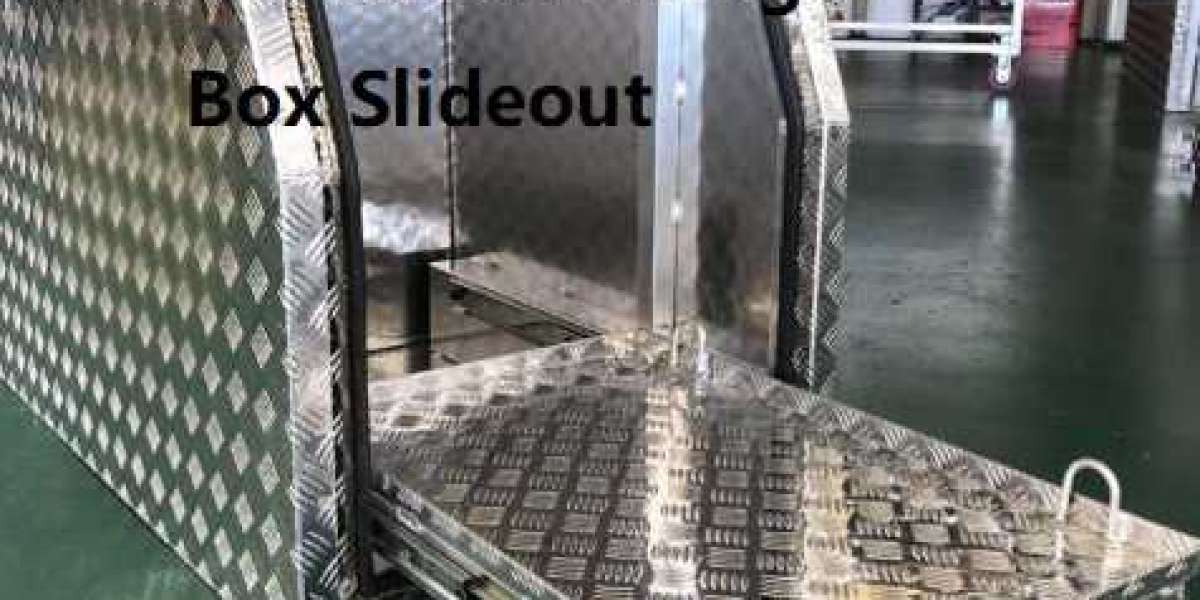
Durability is essential in industrial environments where equipment is exposed to vibration, dust, moisture, and temperature fluctuations. The outer casing of energy systems is often built using reinforced alloys or composite materials that provide strength without excessive weight.
Inside the structure, components are arranged to minimize mechanical stress. Shock absorption systems reduce the impact of movement during transport, especially in mobile deployments. This ensures that sensitive electrical components remain protected even in harsh environments.
Corrosion resistance is another key consideration. In outdoor or marine applications, materials must withstand humidity and chemical exposure over long periods without degradation.
4. Hofastindustries Modular Energy Development Approach
Hofastindustries focuses on modular engineering principles that allow energy systems to be configured based on specific project requirements. Instead of using a single rigid design, modular components can be combined in different ways to achieve customized output levels.
This approach improves flexibility and reduces production complexity. It also allows faster deployment because standardized modules can be assembled and tested more efficiently than fully custom systems.
Another advantage of modular design is scalability. As energy demand increases, additional modules can be added without redesigning the entire system. This makes long-term expansion more practical for industrial users.
5. Smart Monitoring and Predictive Maintenance Systems
Modern energy systems are increasingly data-driven. Sensors embedded within the system collect real-time information about temperature, load, fuel consumption, and operational cycles. This data is then analyzed to optimize performance and prevent failures.
Predictive maintenance is one of the most valuable outcomes of this approach. Instead of waiting for a breakdown, the system can identify early warning signs and schedule maintenance in advance. This reduces downtime and extends equipment lifespan.
Remote monitoring also allows operators to manage systems from centralized control rooms. This is particularly useful for large-scale operations spread across multiple locations, where physical inspection would be time-consuming and costly.
As industrial energy demand continues to evolve, integration, efficiency, and intelligence will remain key priorities. Modern systems are no longer just power sources; they are intelligent infrastructure components that support entire operational ecosystems. More technical details and solutions can be found athttps://www.hofastindustries.com .