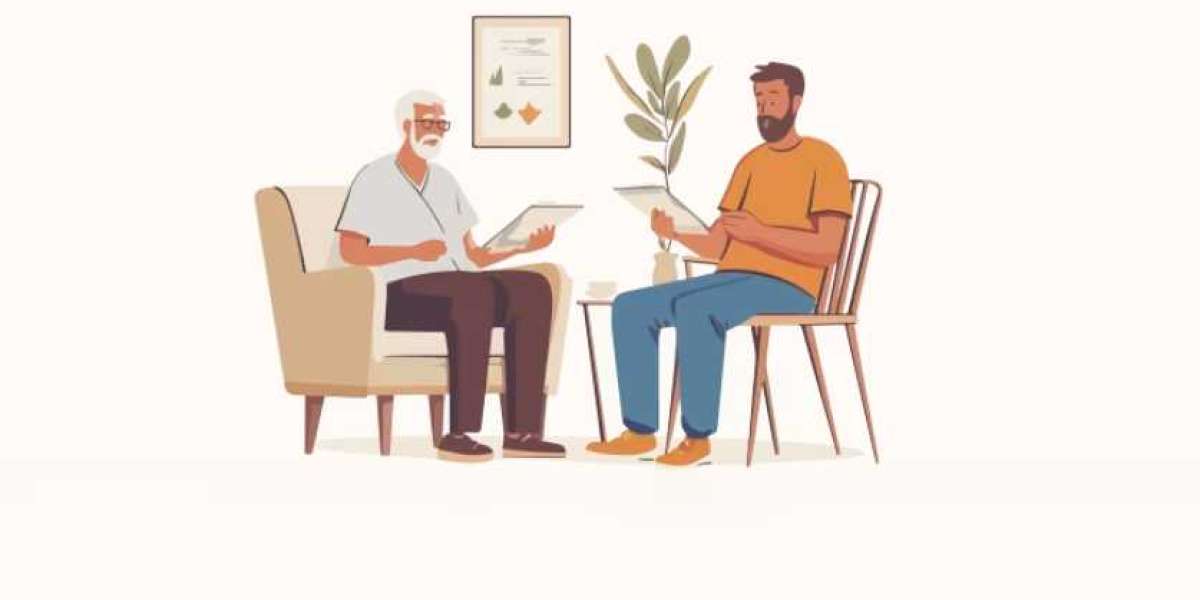

Adolescence is one of the most important stages of emotional and personal development. During these years, teenagers experience rapid physical, emotional, and social changes while trying to understand themselves and their place in the world. Although adolescence can be exciting and full of growth, it can also bring emotional challenges that feel overwhelming for many teens.
School pressure, social expectations, family conflicts, friendships, and future uncertainty can create stress and anxiety that affect a teenager’s mental well-being. Many adolescents struggle with emotional regulation, low self-esteem, sadness, or feelings of isolation. Without proper support, these emotional difficulties can impact relationships, academic performance, and long-term mental health.
Professional Individual Therapy for Adolescent provides compassionate emotional support designed specifically for teenagers. Through personalized counseling, adolescents can develop healthier coping skills, build emotional resilience, and strengthen their confidence in a safe and supportive environment.
Today, more families are recognizing the importance of Teen mental health counseling as an essential part of emotional wellness. Therapy helps teens better understand themselves while guiding them toward emotional balance, healthier relationships, and long-term personal growth.
Understanding Emotional Challenges in Adolescence
Teenagers often experience intense emotional changes as they transition from childhood into adulthood. During this stage, adolescents are learning how to manage emotions, make decisions independently, and navigate social relationships.
Some common emotional challenges teens may face include:
- Anxiety and chronic stress
- Academic pressure
- Social anxiety and peer pressure
- Family conflicts
- Depression and sadness
- Low self-esteem
- Emotional outbursts
- Difficulty communicating emotions
- Relationship struggles
- Fear of failure or rejection
Many teenagers feel misunderstood or afraid to discuss their emotions openly. Some may isolate themselves or struggle silently with overwhelming thoughts and emotions. Professional therapy offers a supportive space where teens can express themselves honestly without fear of judgment.
What Is Individual Therapy for Adolescents?
Individual Therapy for Adolescent is a personalized counseling service where teenagers work privately with a licensed therapist to address emotional, behavioral, and mental health concerns.
Unlike group counseling, individual therapy focuses entirely on the teen’s personal experiences and emotional needs. Therapists build trusting relationships with adolescents so they feel safe discussing sensitive thoughts, feelings, and life experiences.
Therapy sessions may focus on:
- Anxiety and stress management
- Emotional regulation
- Depression symptoms
- Self-esteem and confidence building
- Family and relationship issues
- Social struggles
- School-related pressure
- Trauma or grief
- Behavioral challenges
- Personal identity concerns
The primary goal is to help adolescents improve emotional well-being while developing skills that support lifelong mental health.
Why Teen Mental Health Counseling Is Important
Mental health support during adolescence is essential because emotional habits developed during these years often continue into adulthood. Professional Teen mental health counseling helps teens learn how to cope with stress, communicate effectively, and manage emotions in healthy ways.
Therapy provides adolescents with emotional tools that help them:
- Understand and express emotions
- Build self-confidence
- Develop healthy coping mechanisms
- Improve communication skills
- Strengthen relationships
- Manage anxiety and stress
- Increase emotional awareness
- Make healthier decisions
Counseling encourages teens to feel supported rather than alone during difficult emotional experiences.
How Adolescent Anxiety Therapy Helps Teens
Anxiety is one of the most common mental health concerns among teenagers. Academic expectations, social situations, family pressure, and uncertainty about the future can all contribute to overwhelming feelings of worry and fear.
Some teens experience physical symptoms of anxiety, including:
- Difficulty sleeping
- Panic attacks
- Muscle tension
- Headaches or stomach pain
- Fatigue
- Restlessness
- Difficulty concentrating
Adolescent anxiety therapy helps teenagers identify anxious thoughts and understand how anxiety affects emotions and behaviors. Therapists teach practical coping strategies that reduce stress and improve emotional balance.
Through therapy, adolescents learn how to:
- Manage anxious thinking
- Build confidence in stressful situations
- Reduce panic symptoms
- Improve emotional control
- Develop healthier responses to stress
- Increase resilience and self-awareness
With professional support, teens can feel more emotionally stable and confident in handling life’s challenges.
Benefits of Individual Therapy for Adolescents
Safe and Confidential Support
Therapy provides a private and judgment-free environment where adolescents can openly discuss emotions, struggles, and fears.
Improved Emotional Regulation
Teens learn how to manage difficult emotions such as anger, sadness, frustration, and anxiety more effectively.
Stronger Self-Confidence
Counseling helps adolescents recognize their strengths and challenge negative self-beliefs that affect confidence.
Better Communication Skills
Therapy improves communication with parents, teachers, and peers, helping reduce misunderstandings and conflict.
Healthier Coping Strategies
Teens develop positive coping skills that support emotional balance and stress management.
Emotional Healing and Growth
Therapy allows adolescents to process emotional pain, trauma, or difficult life experiences in a healthy and supportive environment.
Therapy Techniques Used for Adolescents
Every adolescent has unique emotional needs, so therapists use different approaches depending on the teen’s personality and challenges.
Cognitive Behavioral Therapy (CBT)
CBT helps adolescents identify negative thought patterns and replace them with healthier ways of thinking.
Talk Therapy
Open discussions with a therapist encourage emotional expression, self-awareness, and personal reflection.
Mindfulness Techniques
Mindfulness exercises help teens stay calm, reduce anxiety, and improve focus and emotional awareness.
Solution-Focused Therapy
This approach encourages adolescents to focus on strengths, goals, and practical solutions rather than becoming overwhelmed by problems.
Behavioral Therapy
Behavioral strategies help teens improve emotional responses and develop healthier habits.
Signs a Teen May Benefit from Therapy
Parents and caregivers should pay attention to emotional or behavioral changes that may indicate a teenager needs professional support.
Common signs include:
- Persistent sadness or irritability
- Excessive stress or worry
- Withdrawal from family or friends
- Declining academic performance
- Emotional outbursts
- Low confidence or hopelessness
- Changes in sleep or appetite
- Loss of interest in activities
- Difficulty concentrating
- Social isolation
Seeking help early can prevent emotional struggles from becoming more serious over time.
The Role of Parents in Supporting Emotional Wellness
Parents play an important role in supporting their teenager’s emotional health. While therapy sessions remain confidential, therapists may involve parents when appropriate to improve communication and family understanding.
Parents can support therapy by:
- Listening calmly and without judgment
- Encouraging open communication
- Respecting emotional boundaries
- Showing patience and empathy
- Supporting healthy routines
- Reducing unnecessary pressure
A supportive home environment combined with professional counseling can greatly improve therapy outcomes.
Building Confidence and Emotional Balance
Confidence and emotional balance are essential for healthy adolescent development. Therapy helps teens understand that emotions are normal and manageable rather than something to fear or avoid.
As adolescents gain emotional awareness and healthier coping skills, they often become more resilient, independent, and emotionally secure. Counseling teaches teens how to trust themselves, handle stress effectively, and build positive relationships.
Emotional balance does not mean avoiding challenges. Instead, it means developing the ability to respond to life’s difficulties with confidence, resilience, and self-awareness.
Long-Term Benefits of Adolescent Counseling
The emotional skills learned through therapy often continue benefiting adolescents throughout adulthood.
Long-term benefits may include:
- Better stress management
- Increased self-confidence
- Stronger emotional resilience
- Healthier relationships
- Improved communication skills
- Greater emotional awareness
- Better decision-making abilities
- Reduced anxiety and emotional distress
Professional counseling helps create a stronger emotional foundation that supports lifelong mental wellness and personal growth.
FAQs
1. What is Individual Therapy for Adolescent?
Individual Therapy for Adolescent is a one-on-one counseling service designed to help teenagers manage emotional, behavioral, and mental health challenges in a supportive and confidential setting.
2. How does Teen mental health counseling help adolescents?
Teen mental health counseling helps teens improve emotional regulation, reduce stress and anxiety, strengthen confidence, and develop healthier coping and communication skills.
3. When should parents seek Adolescent anxiety therapy?
Parents should consider Adolescent anxiety therapy when a teenager experiences ongoing stress, excessive worry, panic symptoms, emotional withdrawal, mood changes, or difficulty functioning in daily life.
Final Thoughts
Teenagers face many emotional challenges during adolescence, but they do not have to navigate these experiences alone. Professional Teen mental health counseling provides compassionate support that helps adolescents build confidence, emotional balance, and resilience.
Through personalized Adolescent anxiety therapy, teens can develop healthier coping skills, improve emotional awareness, and strengthen their ability to manage life’s challenges. Therapy empowers adolescents to grow emotionally while building stronger self-esteem and healthier relationships.
Individual Therapy for Adolescent offers a safe and supportive environment where teens can feel heard, respected, and encouraged to heal and grow. With the right professional guidance and emotional support, adolescents can move toward a healthier, happier, and more confident future.