
The global Silica Price market has experienced notable fluctuations in recent years due to changing construction activity, industrial demand, energy costs, logistics conditions, and macroeconomic uncertainty. Silica, commonly found in quartz sand and industrial minerals, is one of the most widely used raw materials across industries including glass manufacturing, construction, foundries, ceramics, chemicals, electronics, and oil gas applications. As industrialization and infrastructure investments continue expanding globally, silica consumption remains a critical indicator of economic and manufacturing activity.
According to market insights from ChemAnalyst, the global silica market witnessed mixed regional pricing trends during 2025. While Asia-Pacific and Europe experienced relatively stable to moderate price movement, North America saw downward pricing pressure because of weaker construction activity and subdued industrial procurement. Meanwhile, the Middle East and Africa maintained relatively stable market conditions supported by infrastructure development projects.
Introduction to the Global Silica Market
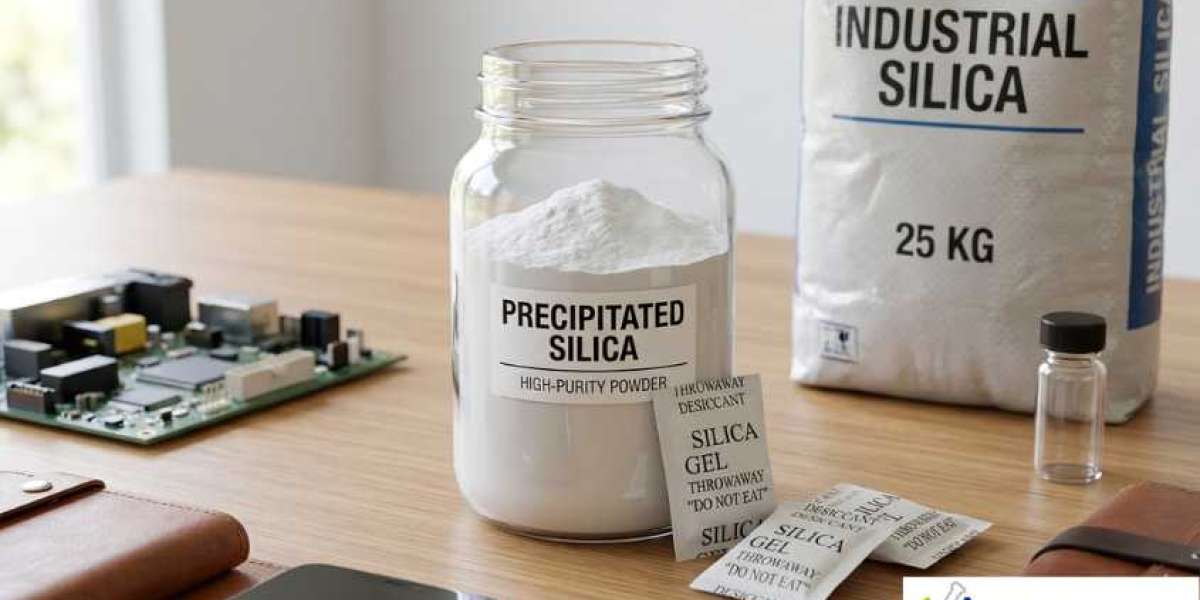
Silica is a naturally occurring mineral composed primarily of silicon dioxide (SiO₂). It is commercially extracted from quartz-rich sand deposits and processed into various grades depending on end-use applications. Silica exists in several forms including:
- Silica sand
- Industrial silica
- Fused silica
- Silica flour
- Precipitated silica
- Colloidal silica
The material is widely utilized because of its:
- High thermal resistance
- Chemical stability
- Hardness and durability
- Transparency in glass applications
- Electrical insulation properties
Major industries consuming silica include:
- Glass manufacturing
- Construction and infrastructure
- Foundry and casting
- Oil gas proppants
- Ceramics
- Chemicals
- Electronics and semiconductors
- Solar energy applications
The growing use of silica in renewable energy, electronics, and industrial manufacturing continues to positively influence the global Silica Market Size.
The evolving Silica Market Trend is being driven by:
- Rising infrastructure investment
- Growth in construction activities
- Expanding glass and solar panel production
- Increasing industrial manufacturing
- Growth in electronics and semiconductor industries
- Urbanization in emerging economies
Global Silica Price Overview
The global Silica Price experienced varying regional trends during 2025 due to fluctuations in demand, logistics, energy costs, and industrial production.
According to ChemAnalyst:
- In the United States, the Silica Price Index fell by 1.9% quarter-over-quarter during Q4 2025 because of softer year-end demand and weak construction activity. The average silica price stood at approximately USD 51.67/MT.
- In China, the Silica Price Index declined by 1.07% quarter-over-quarter during Q3 2025 because of weaker construction activity and balanced supply conditions. The average silica price was approximately USD 61.67/MT CFR Qingdao.
- In Germany, silica prices remained relatively stable during Q4 2025 with an average price of approximately USD 61.67/MT due to balanced inventories and moderate industrial demand.
- In Saudi Arabia, silica prices remained stable with an average price near USD 56.67/MT FOB Jeddah during Q4 2025 due to strong infrastructure demand and balanced supply.
The overall Silica Price market remained influenced by:
- Construction sector performance
- Industrial production trends
- Logistics and freight conditions
- Energy prices
- Infrastructure investments
- Export demand
- Supply-chain stability
North America Silica Price Analysis
North America witnessed relatively weak silica pricing conditions throughout much of 2025 due to subdued construction demand and balanced supply availability.
According to ChemAnalyst:
- The U.S. Silica Price Index fell by 4.24% quarter-over-quarter during Q3 2025 because of weaker residential construction activity.
- The average silica price during Q3 2025 stood near USD 52.67/MT.
- Weak buying activity from the residential construction sector reduced spot transaction volumes.
- Export demand remained limited, keeping domestic silica inventories balanced and supply readily available.
During Q2 2025:
- A slowdown in housing starts and weak builder sentiment reduced silica procurement activity significantly.
- Existing home sales experienced the slowest spring season in over 15 years, negatively impacting silica demand in construction materials.
- Builders reduced home prices and delayed projects, limiting demand for silica aggregates and mortars.
- Logistics and input costs eased slightly due to operational efficiency improvements.
Despite weaker pricing conditions, the long-term Silica Market Trend in North America remains positive due to growing industrial manufacturing and infrastructure modernization projects.
Asia-Pacific Silica Market Analysis
Asia-Pacific remains one of the largest silica-producing and consuming regions globally, led by China and other industrial manufacturing economies.
According to ChemAnalyst:
- China’s Silica Price Index declined by 1.07% quarter-over-quarter during Q3 2025 because of construction-sector weakness and subdued procurement activity.
- The average silica price in China remained approximately USD 61.67/MT CFR Qingdao during Q3 2025.
- Stable production levels and high operational uptime maintained balanced supply conditions throughout the quarter.
- Rising logistics and input costs limited sharper price declines despite softer demand.
However, during Q2 2025:
- Strong infrastructure investment and industrial recovery supported upward momentum in the Silica Price Index.
- Construction PMI reached a three-month high while industrial production grew 6.8% year-over-year in China.
- Government-backed infrastructure and green energy projects supported stable silica consumption.
- Industrial modernization and renewable energy investments improved long-term market confidence.
The Silica Market Trend in Asia-Pacific continues to benefit from:
- Expanding infrastructure projects
- Growth in glass manufacturing
- Solar panel production
- Semiconductor industry expansion
- Urbanization and industrialization
Asia-Pacific is expected to remain the dominant contributor to the global Silica Market Size over the coming years.
Track Real Time Prices Of Silica
https://www.chemanalyst.com/ChemAnalyst/PricingForm?Product=Silica
Europe Silica Price Analysis
Europe witnessed relatively stable silica pricing conditions during 2025 because of balanced inventories and moderate industrial demand.
According to ChemAnalyst:
- Germany’s Silica Price Index rose by 0.54% quarter-over-quarter during Q3 2025 because of stable supply conditions and steady industrial consumption.
- The average silica price in Germany stood near USD 61.67/MT.
- Spot transaction activity remained muted as buyers adopted cautious procurement strategies.
- Lower energy volatility helped stabilize silica production costs.
During Q4 2025:
- German silica prices remained largely stable because of balanced supply-demand conditions.
- Weak export inquiries from Central and Southern Europe slightly pressured market sentiment.
- Normalized Rhine logistics reduced freight-related cost pressure.
- Moderate operating rates and elevated energy exposure affected producer margins.
The European Silica Market Trend remains supported by:
- Industrial manufacturing demand
- Glass and ceramics production
- EU infrastructure funding
- Recovery in residential construction activity
However, economic uncertainty and weaker construction demand continue limiting stronger price growth.
Middle East Africa Silica Market Analysis
The Middle East and Africa region maintained relatively stable silica pricing conditions throughout 2025 because of ongoing infrastructure development and balanced supply availability.
According to ChemAnalyst:
- Saudi Arabia’s Silica Price Index rose by 0.59% quarter-over-quarter during Q4 2025.
- The average silica price in Saudi Arabia stood near USD 56.67/MT FOB Jeddah.
- Strong demand from Vision 2030 infrastructure projects supported silica consumption.
- Stable energy prices and subsidized gas tariffs helped maintain manageable production costs.
Additional market drivers included:
- Giga-project construction activities
- Growth in non-oil industrial sectors
- Stable mining output
- Efficient logistics and port operations
The MEA Silica Market Trend remains favorable because of strong infrastructure investments and industrial diversification efforts.
Key Factors Influencing Silica Price
1. Construction Industry Demand
Construction remains one of the largest consumers of silica globally.
According to ChemAnalyst:
- Weak residential construction activity in North America negatively impacted silica demand during 2025.
- Infrastructure investments in China and Saudi Arabia supported stronger silica consumption.
Construction demand directly affects the global Silica Price because silica is widely used in:
- Concrete
- Cement
- Mortars
- Glass
- Ceramics
2. Industrial Manufacturing Growth
Industrial activity significantly influences silica consumption.
Key industries include:
- Glass manufacturing
- Foundries
- Electronics
- Chemicals
- Solar panels
Industrial modernization and manufacturing recovery in Asia supported silica demand growth during 2025.
3. Energy and Logistics Costs
Transportation and energy costs strongly impact silica production and distribution expenses.
According to ChemAnalyst:
- Lower energy volatility in Europe stabilized silica production costs.
- Normalized Rhine logistics reduced freight-related pressure in Germany.
- Stable freight and vessel arrivals in Asia maintained balanced supply conditions.
4. Infrastructure Investments
Government infrastructure spending continues supporting long-term silica demand globally.
Major projects supporting the Silica Market Size include:
- Transportation infrastructure
- Renewable energy projects
- Urban development
- Smart cities
- Industrial expansion
Saudi Arabia’s Vision 2030 and China’s infrastructure modernization programs remained major demand drivers during 2025.
5. Inventory Levels and Supply Conditions
Balanced inventories and stable production conditions significantly influenced pricing stability during 2025.
According to ChemAnalyst:
- Major producers maintained high operational uptime in Asia-Pacific.
- Balanced inventories in Europe helped contain price volatility.
- Ample domestic supply in North America created downward pricing pressure.
Silica Market Trend and Market Size Outlook
The global Silica Market Trend indicates stable long-term growth driven by infrastructure development, industrial manufacturing, renewable energy investments, and expanding electronics production.
Major growth drivers include:
- Rising urbanization
- Expanding solar energy projects
- Growth in semiconductor manufacturing
- Increasing glass production
- Infrastructure modernization
- Industrial development in emerging economies
The global Silica Market Size is expected to expand steadily as industrialization and clean-energy investments continue increasing worldwide.
Asia-Pacific is expected to remain the largest market because of:
- Strong manufacturing infrastructure
- Large-scale construction projects
- Expanding renewable energy industries
- High industrial silica consumption
North America and Europe are also expected to witness gradual recovery as construction activity improves.
Forecast Outlook for Silica Price
Short-Term Outlook
In the short term, the Silica Price may remain moderately volatile because of:
- Construction-sector uncertainty
- Inventory fluctuations
- Logistics conditions
- Energy price movements
- Global industrial demand trends
ChemAnalyst projects limited upside potential unless stronger construction recovery emerges globally.
Long-Term Outlook
The long-term Silica Market Trend remains positive due to increasing industrial demand and infrastructure investments worldwide.
Key future growth sectors include:
- Solar energy
- Semiconductor manufacturing
- Electric vehicles
- Glass production
- Smart infrastructure
The global Silica Market Size is expected to grow steadily as technological and industrial applications continue expanding.
Challenges and Opportunities
Challenges
- Construction-sector weakness
- Economic uncertainty
- Export demand fluctuations
- Logistics disruptions
- Energy price volatility
Opportunities
- Renewable energy expansion
- Solar panel manufacturing growth
- Semiconductor industry development
- Urban infrastructure investments
- Industrial modernization
Conclusion
The global Silica Price market reflects the broader dynamics of construction, industrial manufacturing, infrastructure development, and global economic activity. During 2025, regional pricing trends remained mixed across North America, Asia-Pacific, Europe, and the Middle East due to varying demand conditions, supply availability, and macroeconomic influences.
The evolving Silica Market Trend highlights increasing demand from renewable energy, electronics, glass manufacturing, and infrastructure sectors. Meanwhile, the expanding Silica Market Size underscores the growing importance of silica in modern industrial and technological development.
As global industrialization, urbanization, and renewable energy investments continue accelerating, the Silica Price will remain a key indicator for manufacturers, suppliers, construction companies, and industrial stakeholders worldwide.