Fire safety legislation is crucial for protecting property and lives. For landlords and property owners, adhering to fire safety rules minimizes risks from hazards like faulty electrical systems and obstructed escape routes. Key aspects include functioning alarm systems, clear escape routes, adequate firefighting equipment, and emergency lighting. Regular inspections and documentation ensure compliance and enhance safety, making fire safety a vital part of property management.
Fire safety legislation is an essential part of property protection; it helps save lives and assets, and helps comply with the law. Whether you’re a landlord, property manager or building owner, knowing and applying fire safety rules is crucial to creating a safe workplace and avoiding costly penalties.
Why are fire safety rules important?
Fire remains one of the largest and most serious hazards to live with today in residential and commercial buildings. Improper maintenance, defective electric systems or blocked escape routes can easily escalate into deadly circumstances. These regulations reduce this risk through clear standards of prevention, identification and emergency response to a fire.
Basic Fire Safety requirements for houses
Fire safety regulations cover several important areas which property owners must address:
- Fire-Detection and Alarm Systems for Each Block - Every building should have working smoke alarms at each level. In most cases, carbon monoxide alarms are also necessary, especially when living in rooms with solid-fuel appliances. Regular testing is essential for these systems to work effectively.
- Safe Escape Routes - Easy, clean escape routes are key. Every hallway, stairway, and exit should be free of obstructions such as furniture, storage items, or waste. Even tiny obstructions can prevent timely evacuation during an emergency.
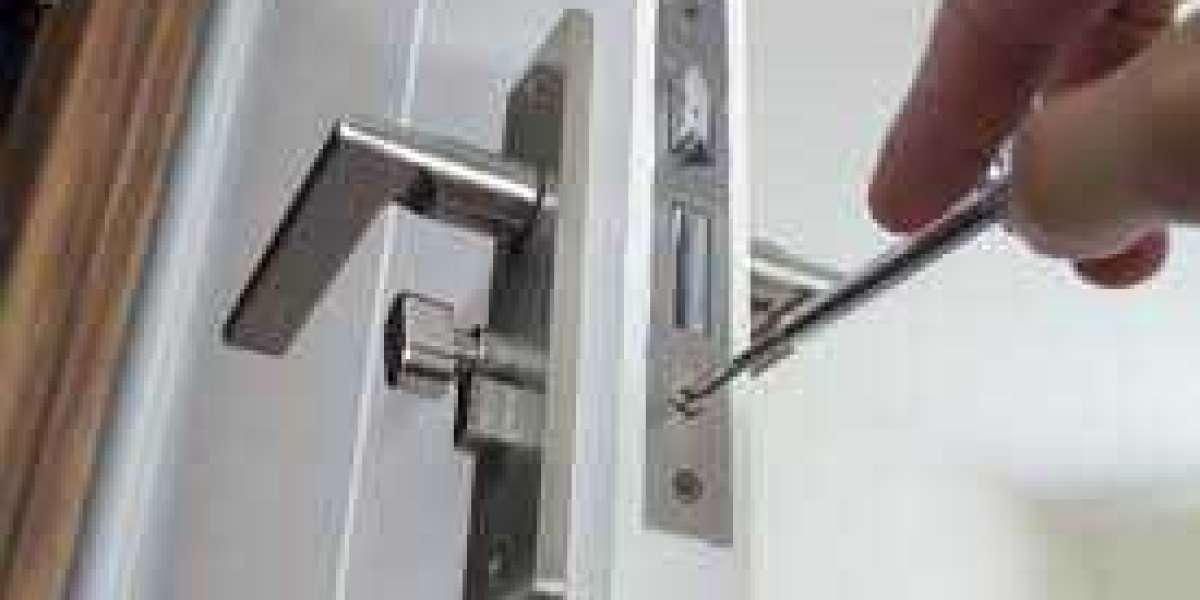
- Fire Doors and Compartmentation - Fire doors are integral to slowing the spread of fire and smoke. They need to be installed, serviced, and maintained on time. Problems with seals, gaps, and self-closing mechanisms can decrease their effectiveness.
- Firefighting Equipment - Depending on the type of property, fire extinguishers, hose reels and sprinkler systems might be necessary. We must keep them inspected so they are in continuous condition and ready to be put to use.
- Emergency Lighting and Signage - Emergency lighting in multi-business or complex, large construction facilities helps guide occupants away from a power loss. Signage is required for exits and fire apparatus.
Fire Safety in Rental Properties
For landlords, fire safety responsibilities extend beyond installation. But it is often the regular inspections and documentation that give you the confidence to take regular action. A safety section on property reports and goods used to stock is often a measure that maintains compliance with the fire code of the land and provides easy access to evidence of compliance with safety standards, with the owner/owner having clear compliance. Routine property inspections also help you identify risks in advance. For example, checking for blocked escape routes, damaged fire doors, and failing alarms ensures problems are dealt with before they become life-threatening. Keep in mind to comply with fire safety laws. Compliance with fire safety doesn't just happen one time, it takes time.
Fire safety has become an important part of responsible property management. Property owners can foster safer working and living conditions through prevention, proper inspections, documentation, and record-keeping. Managing to stay on top of changing regulations may look daunting, but it is structured, manageable and long-term compliant.
Source URL :- https://medium.com/@nolettingg/a-guide-to-fire-safety-regulations-for-a-safe-workplace-147dbce2373f