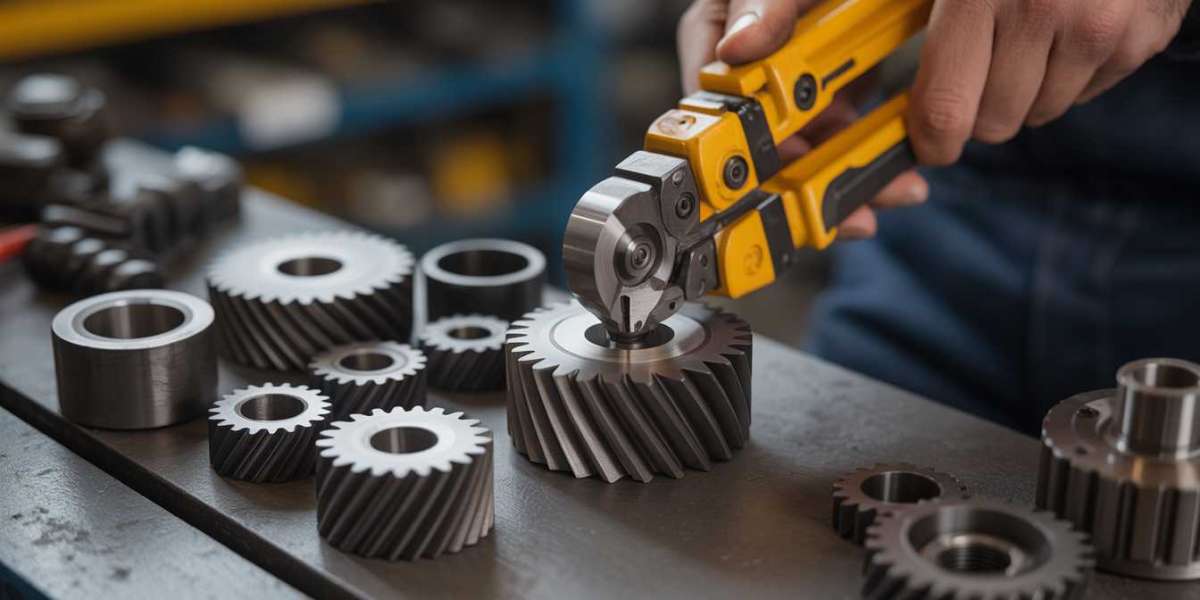

Gear cutters play a critical role in precision machining and gear manufacturing. These tools are responsible for shaping accurate gear teeth that ensure smooth mechanical performance in everything from automotive systems to industrial machinery. Because Gear Cutters operate under high stress and tight tolerances, proper maintenance is essential to extend their lifespan and maintain consistent performance.
This guide explains practical, easy-to-follow maintenance tips that help keep your gear cutters in optimal condition while reducing downtime and replacement costs.
Understand the Importance of Proper Maintenance
You cannot treat gear cutters like ordinary tools. They perform complex cutting operations that demand precision and durability. Poor maintenance can lead to tool wear, inaccurate cuts, and even damage to the workpiece.
When you maintain Gear Cutters properly, you:
- Improve cutting accuracy
- Extend tool life
- Reduce operational costs
- Maintain consistent production quality
Regular upkeep ensures that your machining process remains efficient and reliable.
Clean Gear Cutters After Every Use
Cleaning is one of the simplest yet most effective ways to maintain gear cutters. After each use, remove chips, dust, and coolant residue from the tool surface.
Use a soft brush or compressed air to clean the cutter. Avoid using harsh materials that can damage the cutting edges. If residue builds up, it can affect cutting performance and lead to premature wear.
For stubborn deposits, use a mild cleaning solution designed for metal tools. Make sure the cutter is completely dry before storing it to prevent rust formation.
Inspect for Wear and Damage Regularly
Routine inspection helps you identify problems before they become serious. Check your Gear Cutters for signs of wear such as:
- Dull or chipped teeth
- Uneven cutting edges
- Surface cracks
- Discoloration due to overheating
If you notice any of these issues, take action immediately. Continuing to use a damaged cutter can compromise the quality of your gears and increase the risk of tool failure.
Ensure Proper Lubrication
Lubrication plays a key role in reducing friction and heat during cutting operations. Always use the recommended cutting fluids for your specific application.
Proper lubrication helps:
- Prevent overheating
- Reduce tool wear
- Improve surface finish
- Extend the life of Gear Cutters
Make sure the lubrication system in your machine is functioning correctly and delivering adequate fluid to the cutting zone.
Store Gear Cutters Correctly
Improper storage can damage gear cutters even when they are not in use. Always store them in a clean, dry environment.
Use protective cases or holders to prevent physical contact between tools. This avoids accidental chipping or dulling of cutting edges. Keep them away from moisture to prevent corrosion.
Organized storage also makes it easier to identify and access the right cutter when needed.
Sharpen Gear Cutters When Needed
Over time, even high-quality gear cutters lose their sharpness. Dull cutters require more force to cut, which increases wear and reduces accuracy.
Schedule regular sharpening based on usage frequency. Use professional grinding equipment or services to restore the cutter’s original geometry.
Do not wait until the tool is severely worn. Timely sharpening helps maintain performance and extends the overall life of Gear Cutters.
Use the Right Cutting Parameters
Incorrect cutting speed, feed rate, or depth can significantly reduce the lifespan of gear cutters. Always follow manufacturer recommendations for optimal cutting conditions.
Using the right parameters:
- Reduces stress on the tool
- Prevents overheating
- Improves cutting efficiency
- Minimizes wear and tear
Adjust settings based on the material being machined to ensure the best results.
Avoid Overloading the Tool
Applying excessive force during machining can damage gear cutters. Overloading leads to chipping, deformation, and even tool breakage.
Make sure your machine setup is stable and aligned properly. Use gradual cutting passes instead of forcing the tool to remove too much material at once.
Balanced operation helps maintain the structural integrity of Gear Cutters and ensures smoother performance.
Protect Against Corrosion
Gear cutters are often made from high-speed steel or carbide, which can corrode if exposed to moisture or harsh environments.
Apply anti-corrosion coatings or oils when storing the tools for long periods. Keep them in controlled environments with low humidity.
Corrosion not only weakens the tool but also affects cutting precision, making preventive measures essential.
Train Operators for Proper Handling
Even the best tools can fail if handled incorrectly. Ensure that machine operators understand how to use and maintain gear cutters properly.
Training should include:
- Correct installation and removal
- Proper cleaning techniques
- Identifying signs of wear
- Following safe operating procedures
Skilled handling reduces the risk of accidental damage and improves overall tool performance.
Schedule Preventive Maintenance
Do not rely only on reactive maintenance. Create a preventive maintenance schedule based on usage and workload.
Regular maintenance checks help:
- Detect issues early
- Maintain consistent quality
- Reduce unexpected downtime
Keep records of tool usage, sharpening cycles, and inspections. This data helps you plan maintenance more effectively and extend the lifespan of your Gear Cutters.
Conclusion
Maintaining gear cutters is not complicated, but it requires consistency and attention to detail. By following proper cleaning, inspection, storage, and operational practices, you can significantly extend the life of your tools.
Well-maintained Gear Cutters deliver better performance, higher precision, and long-term cost savings. Whether you work in small-scale machining or large industrial production, investing time in maintenance ensures reliable results and improved efficiency.