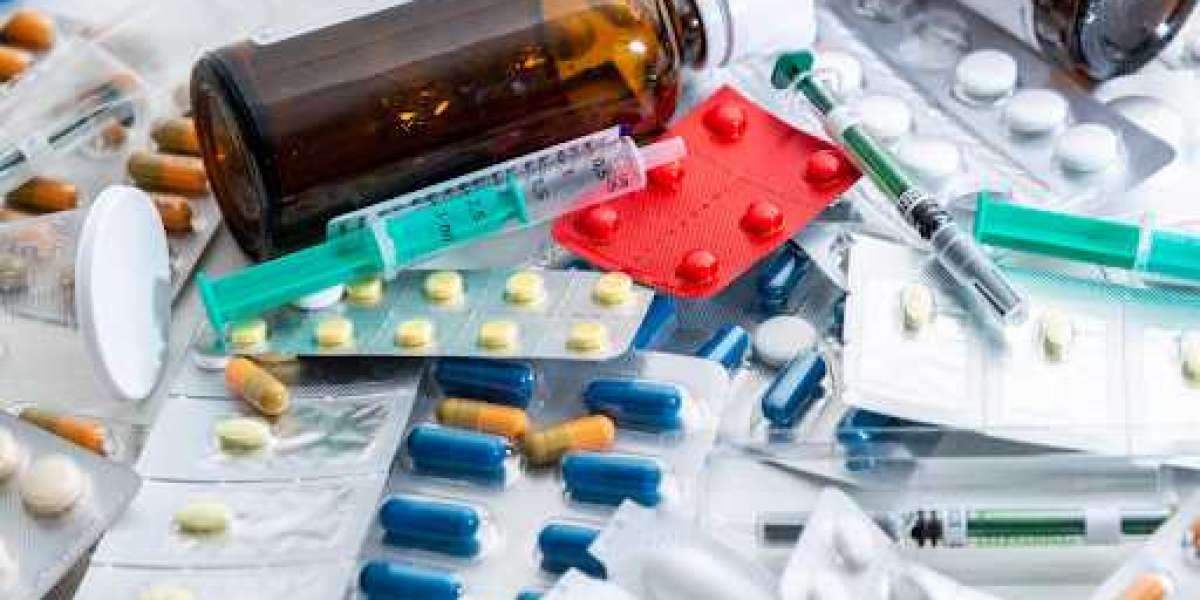

Managing pharmaceutical waste is a critical responsibility for healthcare facilities aiming to protect patient safety, staff wellbeing, and the environment. This category of waste includes expired medications, unused drugs, contaminated materials, and hazardous chemical compounds. Without proper systems in place, pharmaceutical waste management can contaminate water supplies, harm wildlife, and contribute to public health risks. Healthcare facilities must adopt structured approaches to ensure safe handling, treatment, and disposal.
Understanding Pharmaceutical Waste
Pharmaceutical waste refers to any medication or drug-related material that is no longer usable or has been contaminated. It includes prescription drugs, over-the-counter medications, vaccines, and items used during drug preparation and administration. This waste is often categorized into hazardous and non-hazardous types, depending on its chemical composition and potential risk.
Hazardous pharmaceutical waste may include cytotoxic drugs, controlled substances, and chemicals that are toxic, flammable, or reactive. Non-hazardous waste, while less dangerous, still requires proper handling to prevent misuse and environmental damage. A clear understanding of these categories is essential for effective pharmaceutical waste management.
Risks Associated with Improper Disposal
Improper disposal of pharmaceutical waste poses serious risks to both human health and the environment. When medications are flushed down drains or discarded in regular trash, they can enter water systems and disrupt aquatic ecosystems. Certain compounds can persist in the environment, leading to long-term contamination.
There are also risks of drug misuse and accidental exposure. Unsecured pharmaceutical waste can be accessed by unauthorized individuals, increasing the chances of drug abuse or poisoning. Healthcare workers are also at risk if waste is not handled correctly, especially when dealing with hazardous substances.
Segregation and Classification
Segregation is a fundamental step in pharmaceutical waste management. Waste should be separated at the point of generation into clearly labeled containers based on its type and hazard level. This ensures that each category is handled and treated appropriately.
For example, hazardous drugs should be placed in specially marked containers designed to prevent leaks and exposure. Controlled substances may require additional security measures, including locked storage and strict documentation.
Safe Storage and Handling
Once segregated, pharmaceutical waste must be stored safely until it is ready for treatment or disposal. Storage areas should be secure, well-ventilated, and compliant with regulatory standards. Containers must be sealed, labeled, and regularly inspected to prevent leaks or spills.
Healthcare staff should use appropriate personal protective equipment when handling pharmaceutical waste. Training programs are essential to ensure that all personnel understand proper procedures and safety protocols.
Treatment and Disposal Methods
Several methods are used to treat and dispose of pharmaceutical waste safely. Incineration is one of the most common and effective techniques, especially for hazardous waste. High-temperature incineration destroys harmful compounds and reduces waste volume significantly.
Chemical treatment is another method used for certain types of pharmaceutical waste. This process neutralizes hazardous components before disposal. Encapsulation and inertization are also used in some cases to prevent the release of harmful substances into the environment.
Regulatory Compliance in Healthcare Facilities
Healthcare facilities must adhere to strict regulations governing pharmaceutical waste management. These regulations vary by region but generally include guidelines on segregation, storage, transportation, and disposal. Compliance ensures that facilities operate safely and avoid legal penalties.
Documentation and record-keeping are critical components of regulatory compliance. Facilities must maintain detailed records of waste generation, handling, and disposal activities. Regular audits and inspections help identify gaps and improve overall waste management practices.
Role of Staff Training and Awareness
Training is a cornerstone of effective pharmaceutical waste management. Healthcare workers must be educated about the types of pharmaceutical waste, associated risks, and proper handling techniques. Ongoing training ensures that staff remain updated on regulatory changes and best practices.
Awareness programs can also promote a culture of responsibility within healthcare facilities. When staff understand the importance of proper waste management, they are more likely to follow procedures and contribute to a safer environment.
Conclusion
Pharmaceutical waste management requires a comprehensive and systematic approach that includes proper segregation, secure storage, safe handling, and effective disposal methods.Investing in staff training and modern disposal technologies further strengthens these efforts, ensuring long-term sustainability and safety, especially when addressing specialized needs such as sharps waste disposal in Maryland. By following best practices and maintaining compliance with regulations, healthcare facilities can minimize risks and protect both public health and the environment.