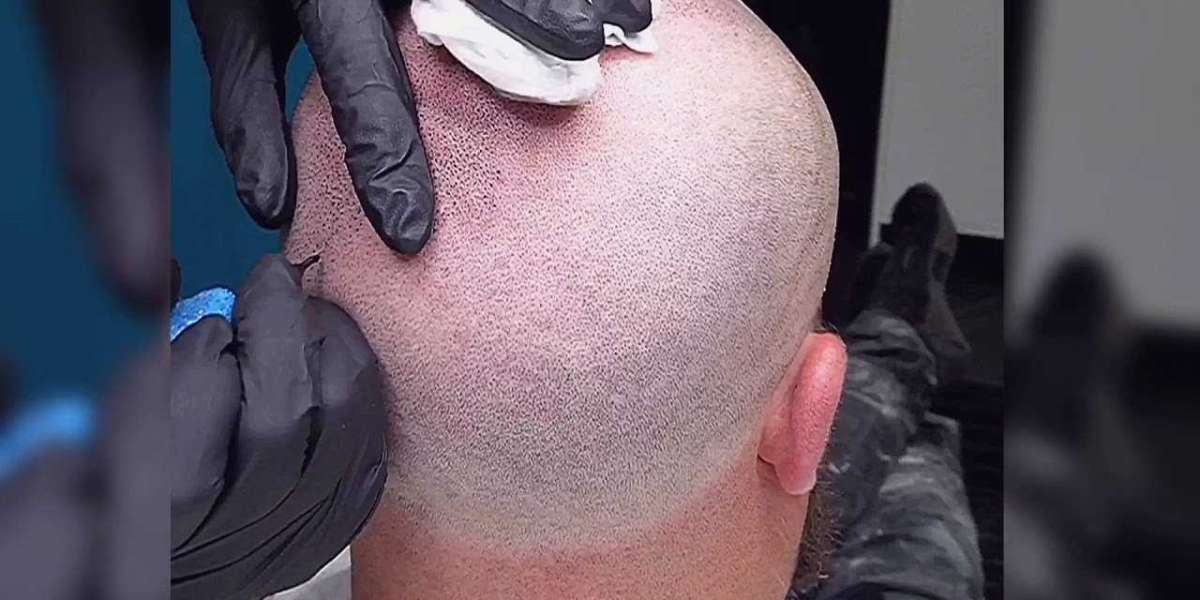

Scalp micropigmentation has become one of the most refined cosmetic solutions for hair loss, offering a realistic and non-invasive way to recreate the appearance of fuller hair. The success of this procedure depends heavily on the precision of its techniques and the sophistication of its tools, which together determine how natural the final result appears. In modern aesthetic practice, advanced methods are used to replicate hair follicles with remarkable accuracy, blending artistry with technical skill. This evolving approach has made Scalp Micropigmentation Dubai a widely recognized choice for individuals seeking density enhancement and a restored hairline without surgical intervention.
Advanced Pigment Application Techniques in SMP
One of the most critical aspects of SMP is the layering technique used to build natural-looking density. Practitioners apply pigment in controlled micro-dots that mimic the appearance of real hair follicles. Instead of creating uniform patterns, the application is deliberately varied in depth, spacing, and concentration to replicate the natural randomness of hair growth.
The process typically involves multiple sessions where pigment is gradually layered to avoid over-saturation. This technique ensures that the scalp does not appear artificially dark or flat. Artists also adjust pressure and needle depth to achieve consistency while maintaining a soft, natural gradient effect. The goal is to simulate the subtle shadows created by real hair stubble, which enhances realism even under close inspection.
Micro-Needle Technology and Equipment
The tools used in SMP procedures are highly specialized and play a central role in achieving precise results. Digital micro-needling devices are commonly used to deposit pigment into the upper dermal layer of the scalp. These devices allow for fine control over speed, depth, and vibration, ensuring consistent pigment placement.
Unlike traditional tattoo machines, SMP equipment is designed to prevent excessive penetration, which reduces the risk of pigment spreading or blurring over time. Single-needle configurations are often preferred because they allow for sharper, more defined follicle impressions. Ergonomic handpieces also improve stability, enabling practitioners to maintain steady control during detailed work across sensitive scalp areas.
Pigment Formulation and Color Matching
The pigments used in SMP are specifically formulated to match natural hair follicle tones and avoid discoloration over time. They are typically carbon-based and designed to remain stable under UV exposure and natural skin regeneration cycles. A key aspect of the process is color matching, which involves analyzing the client’s natural hair color, skin undertone, and desired density effect.
Rather than using a single shade, multiple pigment tones are often blended to create depth and dimension. This prevents the result from appearing overly uniform or artificial. Over time, skilled application ensures that the pigment fades naturally without shifting into unwanted hues such as blue or green, which was a common issue in earlier tattoo-based techniques.
Hairline Design and Density Layering Strategy
Designing the hairline is one of the most artistic elements of SMP and requires a balance between structure and softness. A natural hairline is never perfectly straight, so practitioners carefully design micro-irregularities that replicate real growth patterns. This includes subtle variations in angle, density, and follicle distribution.
Density layering is then applied behind the hairline to build a gradual transition from defined edges to fuller coverage. This layered approach prevents harsh contrasts and ensures that the scalp appears naturally filled rather than artificially filled in. The technique also adapts to different stages of hair loss, allowing customization based on individual scalp conditions and aesthetic goals.
Precision Scalp Mapping and Replication Methods
Before pigment application begins, detailed scalp mapping is conducted to determine follicle placement, symmetry, and density distribution. This planning stage ensures that the final result aligns with facial structure and natural hair growth direction.
Replication methods involve analyzing existing hair patterns, including swirl patterns at the crown and directional flow along the sides. By mimicking these natural growth structures, practitioners can create a result that integrates seamlessly with any remaining hair. This step is essential for achieving realism, especially in cases where partial hair loss still exists.
The mapping process also helps maintain balance across the scalp, ensuring that density is evenly distributed without creating unnatural clusters or gaps.
In advanced aesthetic practices such as Scalp Micropigmentation, the combination of refined techniques and precision tools ensures consistently realistic outcomes that enhance both appearance and confidence without the need for invasive procedures.