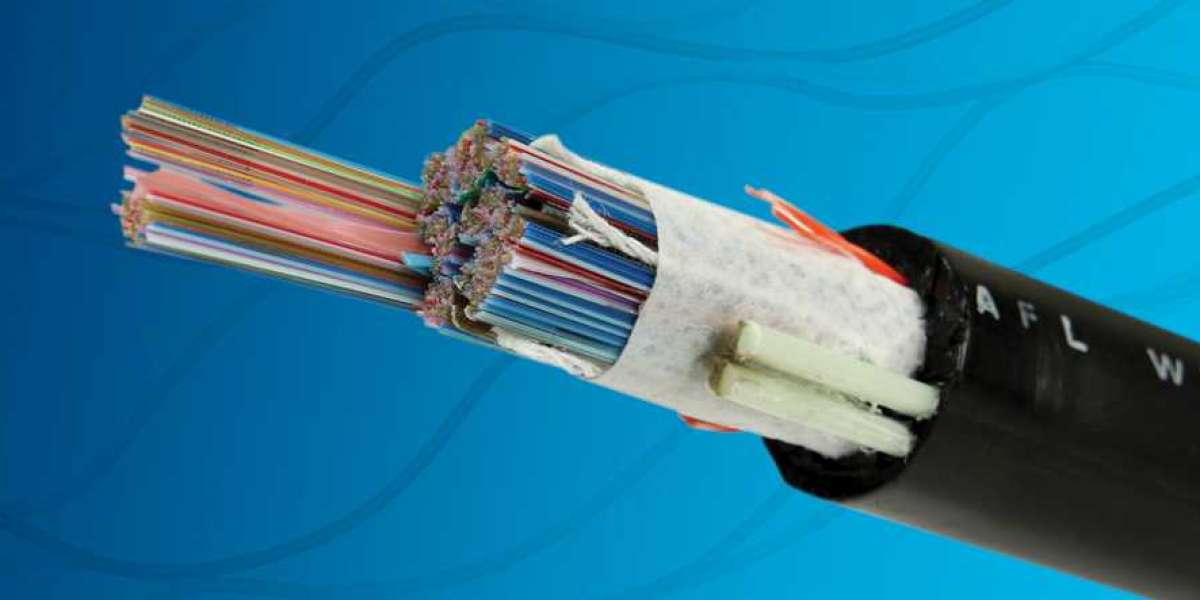

Modern digital ecosystems are evolving rapidly, driven by cloud computing, artificial intelligence, and massive data consumption across industries. Organizations now require infrastructure that can handle exponential data growth while maintaining speed, reliability, and efficiency. One of the most critical innovations supporting this transformation is high density fiber cable, which enables compact, high-capacity network architectures designed for next-generation performance and scalability.
Rising Demand for High-Capacity Connectivity
The global demand for data transmission has reached unprecedented levels due to the expansion of digital services, streaming platforms, and cloud-based applications. Businesses are generating and processing large volumes of information every second, requiring networks that can handle intense workloads without delays or interruptions. Traditional cabling systems are no longer sufficient to support these requirements. Instead, modern fiber-based solutions are being deployed to ensure faster communication, reduced latency, and improved overall system efficiency across enterprise environments.
Optimizing Space in Modern Data Centers
Data centers are the backbone of today’s digital world, hosting critical applications, cloud storage systems, and enterprise workloads. As these facilities expand, space optimization becomes a major priority. High-capacity fiber systems allow organizations to maximize port density while minimizing physical infrastructure footprint. This results in cleaner installations, better airflow management, and improved cooling efficiency. Efficient space utilization also reduces operational costs and enhances long-term scalability, making it easier for businesses to expand their infrastructure without major redesigns.
Performance Advantages of Advanced Fiber Systems
Fiber-based networking solutions offer significant performance improvements compared to traditional copper systems. They support ultra-fast data transmission with minimal signal loss, making them ideal for high-demand environments. Reduced latency ensures smooth operation for real-time applications such as video conferencing, financial trading, and cloud computing. Additionally, fiber systems are resistant to electromagnetic interference, ensuring consistent performance even in complex industrial environments. These advantages make them a preferred choice for organizations that rely on uninterrupted connectivity and high-speed data exchange.
Supporting Cloud Computing and AI Workloads
The rise of cloud computing and artificial intelligence has dramatically increased the need for high-performance networking infrastructure. These technologies require continuous data processing and real-time communication between distributed systems. Fiber-based architectures provide the necessary bandwidth and stability to support such demanding workloads. By enabling faster data movement between servers and storage systems, organizations can improve computational efficiency and reduce processing delays. This is particularly important for AI-driven applications that depend on rapid data analysis and machine learning operations.
Enhancing Network Scalability and Flexibility
Scalability is a key requirement for modern enterprises as they continue to grow and evolve. Network infrastructure must be flexible enough to accommodate increasing data demands without requiring complete system overhauls. Advanced fiber solutions allow seamless expansion by enabling additional connections within existing frameworks. This reduces deployment time and minimizes operational disruptions. Scalable architecture ensures that businesses can adapt quickly to changing technological requirements while maintaining consistent performance across their networks.
Improving Operational Efficiency in IT Infrastructure
Efficient IT infrastructure management is essential for maintaining high levels of productivity and system reliability. Fiber-based systems simplify network organization by reducing cable clutter and improving overall structure within data centers. This leads to easier maintenance, faster troubleshooting, and reduced downtime. Improved cable management also enhances airflow within server racks, contributing to better cooling performance and extended hardware lifespan. These operational benefits help organizations reduce maintenance costs while improving system stability and efficiency.
Strengthening Data Security and Reliability
Security is a top priority in modern digital environments where sensitive data is constantly transmitted across networks. Fiber-based systems offer enhanced protection due to their transmission method, which makes unauthorized access more difficult compared to traditional cabling. This ensures a higher level of data integrity and confidentiality. Additionally, fiber networks provide greater reliability by maintaining stable performance under heavy workloads. This is crucial for industries such as finance, healthcare, and government sectors where secure and uninterrupted communication is essential.
Industrial Applications Across Global Sectors
High-performance fiber networks are widely used across various industries due to their versatility and reliability. In telecommunications, they form the backbone of internet connectivity and long-distance communication systems. In healthcare, they enable fast transmission of medical data and imaging for accurate diagnostics. Financial institutions rely on them for secure and rapid transaction processing, while educational institutions use them to support digital learning platforms. This wide range of applications highlights the importance of fiber infrastructure in supporting global digital transformation.
The Future of High-Density Networking
As technology continues to advance, the demand for faster and more efficient networking solutions will continue to grow. Emerging technologies such as 5G, Internet of Things (IoT), and edge computing will require even more robust infrastructure capable of handling massive data flows. High-density fiber-based systems are expected to play a central role in meeting these demands by providing scalable, high-capacity connectivity solutions. Continuous innovation in fiber technology will further enhance speed, efficiency, and reliability in future network designs.
Conclusion: Enabling the Next Digital Revolution
Modern digital transformation depends on advanced infrastructure capable of supporting high-speed communication and massive data processing. Fiber-based solutions provide the foundation for this transformation by delivering unmatched performance, scalability, and efficiency. As industries continue to evolve, investing in high-capacity networking technologies will be essential for maintaining competitiveness and driving innovation. These systems not only improve current operations but also prepare organizations for the future of digital connectivity, ensuring long-term growth and technological advancement across global industries.