
Navigating the world of industrial and residential fluid management can feel like a daunting task. In 2026, the technology behind moving water and oil has reached a pinnacle of efficiency, yet the core challenge remains the same. How do you move liquid from point A to point B without wasting energy or breaking the bank? Whether it is for a deep-well agricultural project or a simple basement drainage system, the hardware you choose dictates the success of the entire operation. It is not just about moving liquid; it is about reliability over the long haul.
Understanding The Power Of Submersible Technology
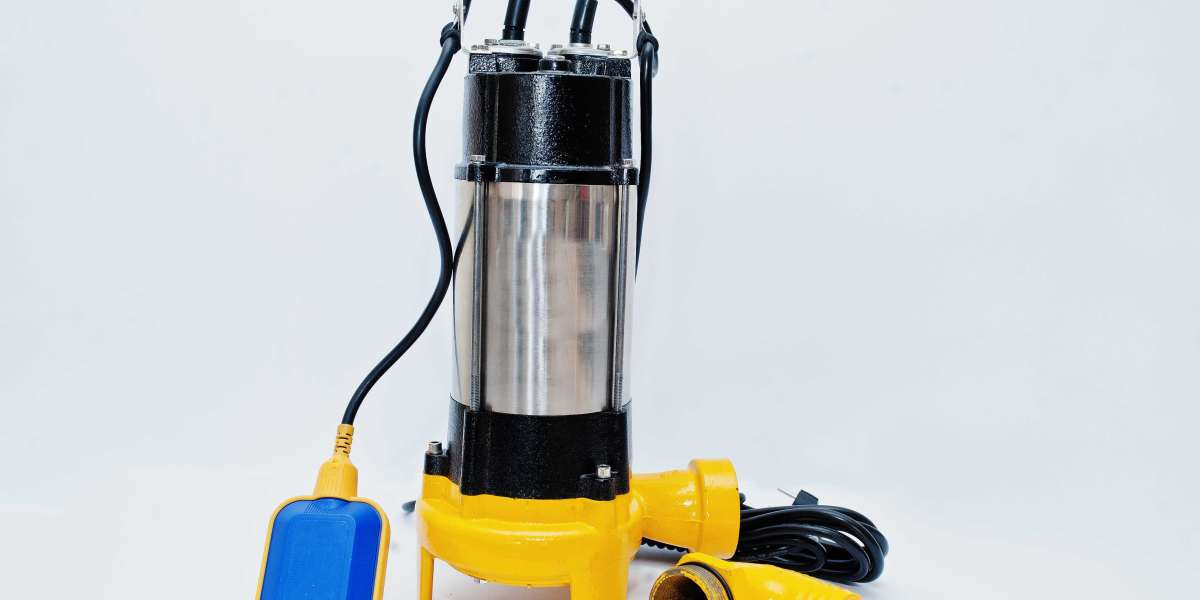
When people think about heavy-duty lifting, they often look toward the submersible pump options available on the market today. Unlike surface-mounted units, these machines are designed to be fully submerged in the fluid they are pumping. This placement offers a massive advantage because the pump is already primed by the surrounding water. Gravity and fluid pressure work with the machine rather than against it. This eliminates the common headache of suction loss that plagues many above-ground systems.
For homeowners dealing with rising water tables, finding the best submersible pump is often the difference between a dry home and a flooded disaster. Statistics from recent building safety reports suggest that over 60% of modern basements in flood-prone zones now rely on these units for year-round protection. They operate silently beneath the surface, pushing water up and away from the foundation with incredible speed. Because they are cooled by the liquid they inhabit, they can run for longer durations without the risk of overheating.
The Evolution Of The Electric Submersible Pump
As we look deeper into the industrial sector, the electric pump has become a staple of the global energy and water infrastructure. These units are marvels of modern engineering. They consist of a hermetically sealed motor close-coupled to the pump body. By keeping the motor safe from moisture, engineers have created a tool that can thrive in the most hostile environments imaginable, from deep saltwater wells to sewage treatment plants.
Reliability is the biggest selling point here. In 2026, the average lifespan of a high-grade electric submersible pump has increased by nearly 40% compared to a decade ago. This is thanks to better ceramic seals and more resilient internal coatings. When a farm in a remote region needs to pull water from a three-hundred-foot borehole, they cannot afford a breakdown. The electric drive provides consistent torque, ensuring that the flow remains steady even as the water level fluctuates. It is a set-it-and-forget-it solution for the modern age.
When Pressure Matters The Most
Sometimes, however, you don't need a deep-well lift; you need raw, brute force. This is where this pump enters the conversation. While electric motors use magnets and copper, this system uses the science of pressurized fluid to create movement. These pumps are the muscles behind heavy machinery. Think of the massive excavators on a construction site or the heavy presses in an automotive factory. Without the intense pressure generated by a high-quality pump, these machines would be nothing more than heavy piles of scrap metal.
The precision of a hydraulic pump is what makes it so valuable in 2026. Modern systems now use digital sensors to adjust the flow rate in real-time. This means the pump only works as hard as the job requires, which saves an enormous amount of energy. Recent industry insights suggest that switching to a smart-variable hydraulic system can cut a factory's energy bill by up to 25%. It is a testament to how far fluid dynamics has come. It is about working smarter, not just harder.
Balancing Efficiency And Initial Costs
Choosing a pump is always a balancing act between the sticker price and the long-term operating cost. A cheaper unit might save you a few hundred dollars today, but if it burns through electricity or requires frequent repairs, it becomes a liability. High-efficiency models often pay for themselves within the first eighteen months of operation. It is worth the extra research to find hardware that matches your specific flow requirements and environmental conditions.
Furthermore, maintenance should never be an afterthought. Even the most robust systems require a check-up now and then. For submersible units, this means checking the seals and the power cable for any signs of wear. For hydraulic systems, keeping the fluid clean is the number one priority. Contamination is the silent killer of pumps. A small amount of grit can act like sandpaper on the internal gears, slowly grinding away the efficiency until the system eventually fails.
The Future Of Fluid Management
As we move forward, the focus is shifting toward green pumping solutions. We are seeing more solar-integrated systems and biodegradable hydraulic fluids that don't harm the earth if a leak occurs. The goal is to create a closed-loop system where water and energy are used with absolute respect.
By understanding the differences between submersible and hydraulic technologies, you can make an informed choice that serves your needs for years to come. Whether you are protecting your home or powering an industrial plant, the right pump is the silent hero of the modern world. It keeps our cities dry, our crops watered, and our industries moving forward.
Frequently Asked Questions
How long does a typical submersible pump last?
Under normal conditions, a well-maintained unit can last between 10 and 15 years. However, factors like the mineral content of the water and the frequency of use can play a huge role. Using a surge protector can also help save the motor from electrical damage during storms.
Can a hydraulic pump run on water instead of oil?
Most standard pumps are designed specifically for hydraulic oil because it provides the necessary lubrication for the internal parts. While water-based hydraulics exist, they require specialized materials like stainless steel to prevent rust and corrosion.
What is the main cause of pump failure?
The most common culprit is dry running. If a pump tries to move fluid that isn't there, the internal components heat up very quickly, which can melt seals and seize the motor. Always ensure your system has a low-water shut-off sensor to prevent this.
Is it better to repair an old pump or buy a new one?
If the motor has burned out, it is almost always more cost-effective to replace the entire unit. Modern pumps are so much more efficient that the energy savings alone often justify the purchase of a new model.
How do I know what size pump I need?
You need to calculate two things: flow rate (how much liquid) and head pressure (how high you need to lift it). It is always a good idea to consult a professional or use an online calculator to ensure you don't buy a unit that is underpowered for the task.