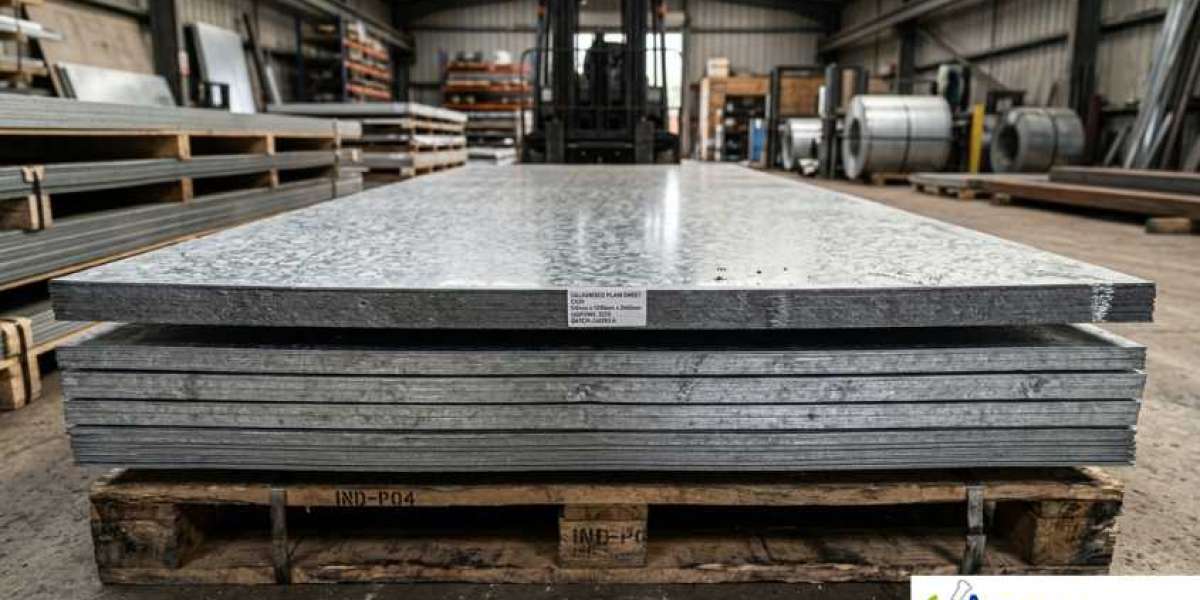

The global Galvanized Plain Sheet Price market has experienced notable fluctuations in recent years, influenced by raw material costs, industrial demand cycles, and macroeconomic conditions. Galvanized plain sheets (GPS), widely used in construction, automotive, appliances, and infrastructure, are steel sheets coated with zinc to enhance corrosion resistance. Their pricing trends are closely tied to steel and zinc markets, making them highly sensitive to global supply-demand dynamics.
This article provides a comprehensive and verified analysis of Galvanized Plain Sheet Price, including regional insights, Galvanized Plain Sheet Price Market Trend, demand patterns, and future outlook based on the latest available data.
1. Overview of the Galvanized Plain Sheet Market
Galvanized plain sheets are produced by coating steel sheets with zinc through hot-dip galvanization. This process protects steel from corrosion, making it suitable for outdoor and industrial applications.
Key Applications
- Construction (roofing, structural components)
- Automotive manufacturing
- Appliances and white goods
- Infrastructure and industrial equipment
The Galvanized Plain Sheet Market Demand is primarily driven by construction activity, automotive production, and infrastructure development.
2. Global Galvanized Plain Sheet Price Market Trend
The Galvanized Plain Sheet Price Market Trend in 2025 showed mixed performance across regions, reflecting varying supply-demand conditions and cost pressures.
Key Trend Highlights
- Prices remained largely range-bound in North America with slight declines
- Asia-Pacific experienced significant price drops due to weak demand
- Europe saw moderate price increases due to supply tightness
- South America faced downward pressure due to rising imports and weak demand
Recent Price Data (Q4 2025)
- USA: Prices averaged around USD 1285/MT, declining by 0.80% QoQ due to inventory overhang
- South Korea: Prices averaged USD 794/MT, dropping 8.10% QoQ amid weak construction demand
- Germany: Prices increased by 2.68% QoQ, averaging USD 817/MT due to tighter supply
- Brazil: Prices averaged USD 692/MT, declining slightly due to high import volumes
Overall, the Galvanized Plain Sheet Price trend remained regionally diverse, with bearish tendencies in Asia and stable-to-firm trends in Europe.
3. Regional Price Analysis
3.1 North America
North America showed a relatively stable pricing environment with mild downward pressure.
- Prices declined slightly due to high service-center inventories and limited exports
- Production costs increased due to higher zinc and coil premiums
- Automotive restocking provided partial demand support
- Construction demand remained weak
Market Insight:
North America maintained a balanced but slightly bearish Galvanized Plain Sheet Price Market Trend, with inventory levels capping price growth.
3.2 Asia-Pacific (APAC)
APAC markets experienced the most significant price declines.
- Prices fell due to weak construction and export demand
- Lower zinc premiums reduced production costs
- Export diversion and rising inventories pressured prices
- Automotive demand provided limited support
Market Insight:
APAC reflected a bearish Galvanized Plain Sheet Price Market Trend, driven by oversupply and subdued demand.
3.3 Europe
Europe demonstrated a relatively strong pricing trend.
- Prices increased due to tight domestic supply and reduced imports
- Rising energy and zinc costs increased production expenses
- Automotive and renewable infrastructure demand supported consumption
- Mill maintenance and supply constraints tightened availability
Market Insight:
Europe showed a firm Galvanized Plain Sheet Price Market Trend, supported by supply-side constraints.
3.4 South America
South America experienced weak pricing conditions.
- Prices declined due to high import volumes and rising inventories
- Weak construction and automotive demand reduced consumption
- Stable freight and currency limited price volatility
Market Insight:
South America maintained a bearish Galvanized Plain Sheet Price Market Trend, influenced by oversupply and weak demand.
Track Real Time Prices of Galvanized Plain Sheet
https://www.chemanalyst.com/ChemAnalyst/PricingForm?Product=Galvanized%20Plain%20Sheet
4. Key Factors Influencing Galvanized Plain Sheet Price
4.1 Raw Material Costs
The Galvanized Plain Sheet Price is heavily influenced by:
- Hot-rolled coil (HRC)
- Zinc prices
- Energy costs
Fluctuations in these inputs directly impact production costs.
4.2 Supply-Demand Balance
- Inventory levels play a critical role in price movement
- Overcapacity or excess supply leads to price declines
- Balanced supply stabilizes pricing
4.3 Downstream Industry Demand
The Galvanized Plain Sheet Market Demand depends on:
- Construction and infrastructure
- Automotive production
- Appliances and manufacturing
Construction remains the most significant demand driver.
4.4 Trade and Policy Factors
- Import quotas and tariffs influence supply
- Export demand affects domestic pricing
- Trade flows impact regional market balance
4.5 Macroeconomic Conditions
- Interest rates affect construction activity
- Industrial growth drives steel demand
- Inflation impacts production and consumption
5. Galvanized Plain Sheet Market Demand Analysis
The Galvanized Plain Sheet Market Demand remains strong in the long term, supported by industrial growth and infrastructure expansion.
Major Demand Drivers
1. Construction Industry
- Largest consumer of galvanized sheets
- Used in roofing, cladding, and structural components
2. Automotive Sector
- Used in body panels and structural parts
- Demand linked to vehicle production
3. Appliances and White Goods
- Used in refrigerators, washing machines, and HVAC systems
4. Infrastructure Development
- Growing urbanization drives demand for durable materials
5. Renewable Energy
- Used in solar panel structures and wind energy systems
6. Price Forecast Outlook (2026 and Beyond)
The outlook for Galvanized Plain Sheet Price suggests moderate volatility with regional variations.
Expected Trends
- Prices likely to remain range-bound in early 2026
- Mild recovery expected with improved construction activity
- Zinc and steel cost trends will influence pricing
- Seasonal restocking may support short-term price increases
Regional Outlook
- North America: Stable with limited upside
- APAC: Gradual recovery expected
- Europe: Firm pricing supported by supply constraints
- South America: Weak to stable depending on imports
Forecast Drivers
- Infrastructure and construction growth
- Automotive production trends
- Raw material price movements
- Trade policies and tariffs
7. Challenges and Opportunities
Challenges
- Weak construction demand in some regions
- Volatility in zinc and steel prices
- Oversupply in global markets
- Trade restrictions and policy uncertainties
Opportunities
- Growth in infrastructure projects
- Expansion in renewable energy sector
- Increasing automotive production
- Rising demand in emerging markets
8. Conclusion
The global Galvanized Plain Sheet Price market reflects a complex interplay of raw material costs, supply-demand dynamics, and macroeconomic factors. While Asia-Pacific and South America experienced price declines in 2025 due to weak demand and oversupply, Europe showed resilience with rising prices supported by supply constraints.
The Galvanized Plain Sheet Price Market Trend is expected to remain moderately stable with regional variations, while the Galvanized Plain Sheet Market Demand continues to grow steadily, driven by construction, automotive, and infrastructure development.
Going forward, market participants should closely monitor zinc and steel price trends, inventory levels, and global economic conditions to effectively navigate the evolving pricing landscape.