
In today’s fast-moving work environment, capturing ideas quickly is just as important as generating them. Whether it is meeting notes, emails, or spontaneous thoughts, typing everything manually can slow down productivity. A reliable speech to text converter provides a simple and effective way to keep up with daily demands.
By turning spoken words into written text instantly, it allows professionals to work faster while maintaining focus on what matters.
The Shift Toward Faster, Voice-Based Work
Work is no longer confined to desks and keyboards. Professionals are often on the move, switching between tasks and devices throughout the day. In such situations, typing can feel restrictive.
A voice to text application offers a more flexible alternative. Instead of stopping to type, users can speak naturally and capture information in real time. For example, a consultant can dictate notes right after a meeting, ensuring that key details are recorded accurately.
This shift helps reduce delays and supports smoother workflows.
How a Speech to Text Converter Works
A speech to text converter uses advanced voice recognition systems to process spoken language and convert it into readable text. From a user perspective, the process is straightforward.
You speak into your device, and the app transcribes your words almost instantly. Modern tools rely on AI and natural language processing to recognize speech patterns and convert them into structured text.
Many applications also support continuous dictation, allowing users to create long notes, emails, or documents without interruption.
Real-World Benefits in Daily Work
Voice-based tools are widely used because they deliver clear and practical advantages.
Faster Note-Taking
Speaking is generally faster than typing, allowing users to capture more information in less time.
Increased Productivity
By reducing time spent on manual typing, professionals can focus on higher-value tasks.
Work on the Go
Voice input enables users to document ideas while commuting or multitasking, something typing cannot easily support.
Better Idea Flow
Speaking thoughts often feels more natural, helping users capture ideas more clearly and quickly.
These benefits make a speech to text free app a practical addition to modern workflows.
What to Look for in a Reliable Tool
Not all tools offer the same experience, so choosing the right speech to text converter depends on a few important features.
Accuracy
The app should capture speech clearly with minimal errors.
Speed
Fast processing ensures that workflows are not interrupted.
Ease of Use
A simple interface allows users to start quickly without training.
Language Support
Many tools support multiple languages, making them useful for diverse teams and global communication.
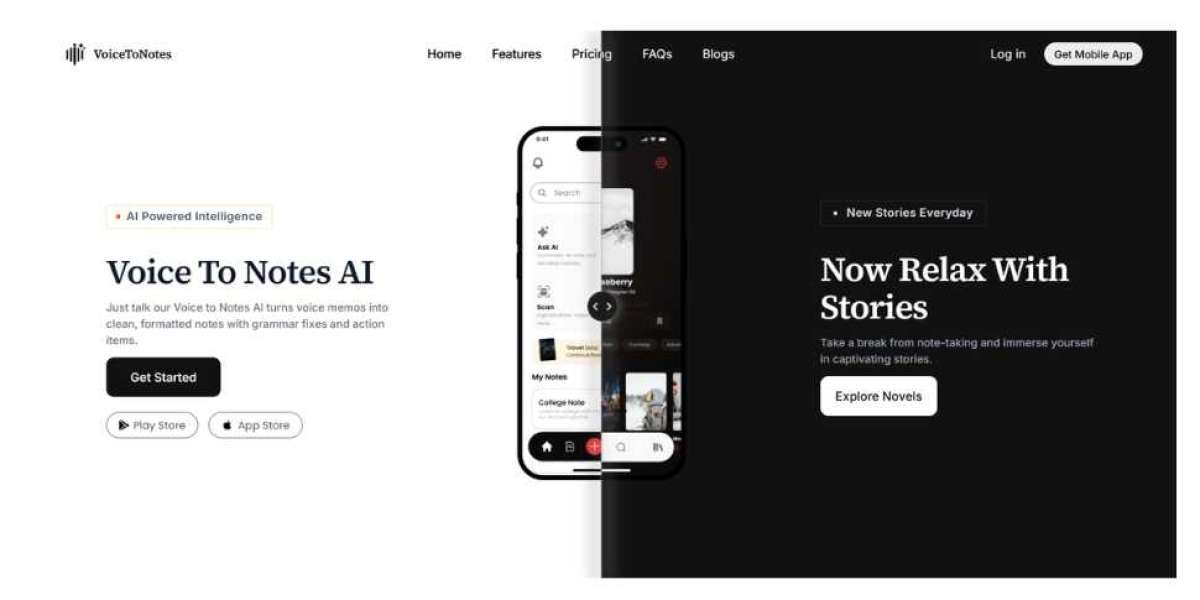
A practical example is the Voice to Notes AI app for iOS, which enables users to convert spoken input into structured notes and manage them efficiently.
Supporting Remote Work and Business Efficiency
Remote and hybrid work environments rely heavily on clear communication. Teams need reliable ways to document and share information.
A speech to text converter supports this by:
- Allowing instant documentation after meetings
- Creating written records that can be shared easily
- Supporting collaboration across different time zones
From a business perspective, this also improves scalability. As teams grow, efficient documentation ensures consistency and alignment across projects.
Security is another key factor. Organizations often handle sensitive data, so using tools that manage information responsibly is essential.
Improving Productivity Without Changing Habits
One of the biggest advantages of voice tools is that they integrate naturally into existing workflows. They do not require users to change how they work.
Instead, they enhance current processes. For example:
- A manager dictating action points immediately after a meeting
- A freelancer capturing ideas while commuting
- A business owner recording quick notes between tasks
These small adjustments can lead to meaningful productivity gains over time.
The Future of Speech-Based Tools
Speech recognition technology continues to evolve, becoming more accurate and accessible. Many modern tools already offer real-time transcription and improved language support, making them suitable for both individual users and teams.
Rather than replacing typing entirely, voice tools provide an additional method that works better in specific situations.
Conclusion
A speech to text converter is a practical solution for professionals who need to capture information quickly and accurately. It simplifies communication, reduces manual effort, and fits naturally into modern, mobile work environments.
By incorporating voice input into daily routines, individuals and teams can stay productive without adding complexity. As work continues to evolve, tools that support speed and efficiency will remain essenti