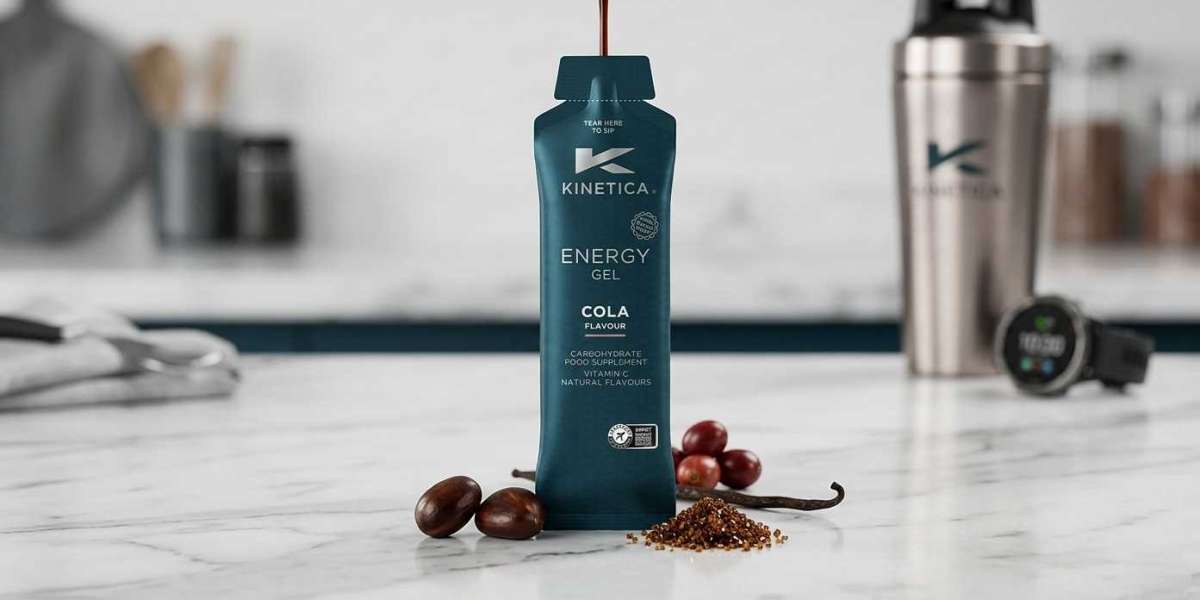

Energy gels have become a popular choice among athletes and fitness enthusiasts who need a quick and efficient source of energy during physical activity. Whether you are running long distances, cycling for hours or engaging in high-intensity sports, maintaining energy levels is essential for performance.
Energy gels are designed to provide fast-absorbing carbohydrates and, in some cases, additional ingredients such as caffeine and electrolytes. They are compact, easy to carry and simple to consume, making them a practical solution for fuelling the body during demanding workouts and competitions.
What Are Energy Gels
Energy gels are concentrated carbohydrate supplements in a semi-liquid form. They are specifically formulated to deliver energy quickly to the body during exercise. Unlike solid foods, energy gels require minimal digestion, allowing the body to absorb nutrients rapidly.
Most energy gels contain simple sugars such as glucose or maltodextrin, which are quickly converted into energy. Some formulations also include electrolytes to support hydration and caffeine to enhance focus and reduce fatigue.
Because of their convenience and effectiveness, energy gels are widely used in endurance sports where sustained energy is required over long periods.
How Energy Gels Work
During exercise, the body relies on glycogen, which is stored in the muscles and liver, as its primary source of energy. As physical activity continues, these glycogen stores begin to deplete. When this happens, energy levels drop, leading to fatigue and reduced performance.
Energy gels help by providing a rapid source of carbohydrates that can be quickly absorbed into the bloodstream. This helps maintain blood sugar levels and provides the muscles with the energy they need to continue working efficiently.
When consumed at the right time, energy gels can delay fatigue and allow athletes to maintain a steady level of performance throughout their activity.
Benefits of Energy Gels
Energy gels offer several advantages that make them a preferred choice for endurance athletes.
They provide quick energy, which is essential during long workouts or competitions. Because they are easily absorbed, they deliver fuel to the body almost immediately.
They are convenient and portable. Energy gels come in small sachets that can be carried in pockets, belts or bags without taking up much space.
They help maintain endurance by preventing sudden drops in energy levels. This is particularly important during activities such as marathons, cycling races or long training sessions.
Some energy gels also improve focus. Those that contain caffeine can help increase alertness and reduce the perception of fatigue, which can be beneficial during intense or prolonged efforts.
They are easy to consume during movement. Unlike solid foods, energy gels can be taken quickly without interrupting your activity.
When to Use Energy Gels
Energy gels are most effective when used during activities that last longer than one hour. For shorter workouts, the body’s stored energy is usually sufficient.
For longer sessions, energy gels can be taken at regular intervals to maintain energy levels. Many athletes consume a gel every 30 to 45 minutes, depending on the intensity of the activity and their individual needs.
They can also be used during competitions to help sustain performance and delay fatigue. Timing and consistency are important to ensure the body receives a steady supply of energy.
Who Should Use Energy Gels
Energy gels are ideal for endurance athletes who require sustained energy over extended periods. This includes runners, cyclists, triathletes and individuals participating in long-duration sports.
They can also be useful for people who engage in high-intensity interval training or long gym sessions where energy demands are high.
However, energy gels may not be necessary for individuals performing short or low-intensity workouts, as their energy needs can usually be met through regular meals.
How to Use Energy Gels Effectively
Using energy gels correctly is important for achieving the best results. They should be consumed with water to aid digestion and absorption. Taking gels without enough fluid may lead to discomfort or reduced effectiveness.
It is also important to test energy gels during training before using them in competitions. This helps you understand how your body responds and allows you to determine the right timing and quantity.
Avoid consuming too many gels at once, as this can lead to digestive issues. Instead, spread intake evenly throughout your activity to maintain consistent energy levels.
Choosing the Right Energy Gels
When selecting energy gels, consider your specific needs and preferences. Some gels contain caffeine for an extra boost, while others focus on hydration with added electrolytes.
Flavour and texture are also important factors, as you will be consuming these during physical activity. Choosing a gel that is easy to consume and suits your taste can make a significant difference.
It is also important to look for high-quality products with clear ingredient information. Avoid gels with excessive additives or unnecessary ingredients.
Safety and Considerations
Energy gels are generally safe when used as directed. However, they should be used as part of a balanced nutrition plan rather than as a replacement for proper meals.
Individuals who are sensitive to caffeine should be cautious when using gels that contain stimulants. It is also important to stay hydrated and monitor how your body responds during use.
Proper usage ensures that energy gels provide benefits without causing discomfort or unwanted side effects.
Final Thoughts
Energy gels are a practical and effective solution for maintaining energy levels during long and demanding physical activities. Their fast absorption, convenience and ability to support endurance make them a valuable tool for athletes and active individuals.
When used correctly, energy gels can help improve performance, delay fatigue and support consistent energy levels throughout your workout or competition. Combined with proper hydration, balanced nutrition and regular training, they can play an important role in helping you achieve your fitness and performance goals.