
Ras Al Khaimah has steadily become a destination for modern aesthetic solutions, where innovation in hair restoration is meeting rising demand for natural-looking outcomes. Individuals experiencing hair thinning or pattern baldness are increasingly seeking refined procedures that prioritize realism, density, and long-term confidence. Among the most sought-after advancements, Hair Transplant in Ras Al Khaimah UAE stands out as a term associated with precision-driven techniques and evolving expectations of natural aesthetics. This growing interest is driven by improvements in extraction methods, implantation control, and personalized hairline design that aim to replicate natural growth patterns rather than create artificial density. As technology progresses, patients are no longer satisfied with obvious results; instead, they expect seamless integration with existing hair and a result that feels inherently their own.
Evolution of Modern Hair Restoration Techniques
Hair transplant procedures have evolved significantly from older, more invasive methods to highly refined techniques that focus on precision and natural alignment. The core advancement lies in how individual follicular units are extracted and reintroduced into thinning areas. Modern approaches emphasize minimal disruption to donor regions while maximizing survival rates of transplanted grafts. This shift has allowed practitioners to work with greater control over angle, direction, and depth of implantation, which are essential factors in achieving natural density.
The integration of advanced tools has also reduced trauma to the scalp, allowing faster recovery and more consistent outcomes. These improvements have changed how results are perceived, making hair restoration less about obvious transformation and more about subtle enhancement. Patients now experience regrowth that blends with their natural hair growth cycle, creating a balanced and authentic appearance over time.
Importance of Natural Hairline Design
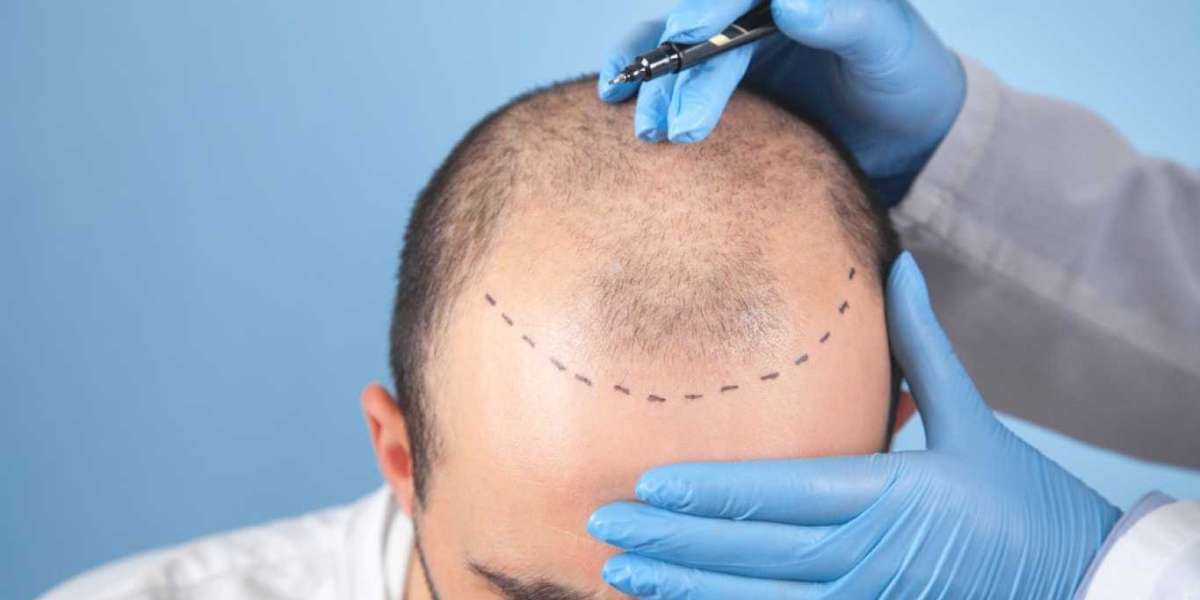
One of the most critical elements in achieving realistic results lies in the design of the hairline. A well-constructed hairline is never overly straight or uniform; instead, it follows a soft, irregular pattern that mirrors natural growth. Specialists carefully evaluate facial structure, age, and existing hair characteristics before designing the final outline.
Attention to micro-details such as single-hair graft placement at the frontal edge and gradual density transition ensures that the hairline does not appear artificial. This artistic precision is what differentiates modern procedures from outdated methods. The goal is not only restoration but also preservation of individuality, ensuring that each outcome aligns naturally with the person’s overall appearance.
Role of Advanced Extraction and Implantation Techniques
The success of modern hair restoration is heavily influenced by how follicles are extracted and implanted. Advanced extraction methods allow for precise harvesting of healthy grafts without causing visible scarring or unnecessary damage to surrounding tissue. This ensures the donor area remains intact and natural-looking even after the procedure.
Implantation techniques are equally important. The ability to place each follicle at the correct angle and depth determines how the hair will grow in the future. Proper alignment ensures that the hair follows natural directional flow, avoiding unnatural clustering or patchy results. These refined methods significantly improve overall density while maintaining a soft, realistic texture.
Personalized Approach to Hair Density and Coverage
No two individuals experience hair loss in the same way, which is why customization plays a vital role in modern restoration procedures. The distribution of grafts is carefully planned based on the extent of hair loss, scalp condition, and desired density. Rather than applying uniform coverage, specialists create layered density patterns that replicate natural hair distribution.
This personalized mapping ensures that the front, mid-scalp, and crown areas blend seamlessly. It also prevents overloading any specific region, which can lead to unnatural results. The focus remains on long-term visual harmony rather than short-term fullness, allowing the transplanted hair to age naturally with the individual.
Recovery Process and Natural Growth Progression
The recovery phase is an essential part of achieving successful outcomes. After the initial procedure, transplanted follicles undergo a temporary shedding phase before entering a new growth cycle. This is a normal part of the process and indicates that new hair is preparing to grow.
Over the following months, gradual regrowth begins, with texture and thickness improving over time. The key advantage of modern techniques is that the new hair grows in synchronization with existing strands, making the transformation appear subtle and continuous rather than sudden. This progressive development enhances confidence as individuals witness steady improvement in their appearance.
Psychological and Aesthetic Impact of Restored Hair
Beyond physical appearance, hair restoration has a strong psychological influence. Many individuals experience improved self-esteem and social confidence after achieving a fuller hairline. The ability to restore a natural look contributes to a more youthful appearance, which can positively affect both personal and professional interactions.
The emphasis on natural results ensures that the transformation does not feel artificial or exaggerated. Instead, it blends seamlessly into everyday life, allowing individuals to present themselves with renewed assurance. This emotional impact is often as significant as the visual change itself.
In the evolving landscape of aesthetic restoration, expectations continue to rise, and advanced techniques are meeting those demands with greater precision than ever before. The combination of artistry, technology, and individualized planning has redefined how results are achieved, making natural appearance the ultimate standard in modern hair restoration.
As innovation continues to shape the field, individuals exploring long-term solutions are increasingly drawn toward methods that prioritize authenticity, sustainability, and refinement. With continued advancements, procedures associated with Hair Transplant In Ras Al Khaimah are expected to further enhance realism, offering results that are not only visually convincing but also naturally integrated into each individual’s identity.