
Introduction
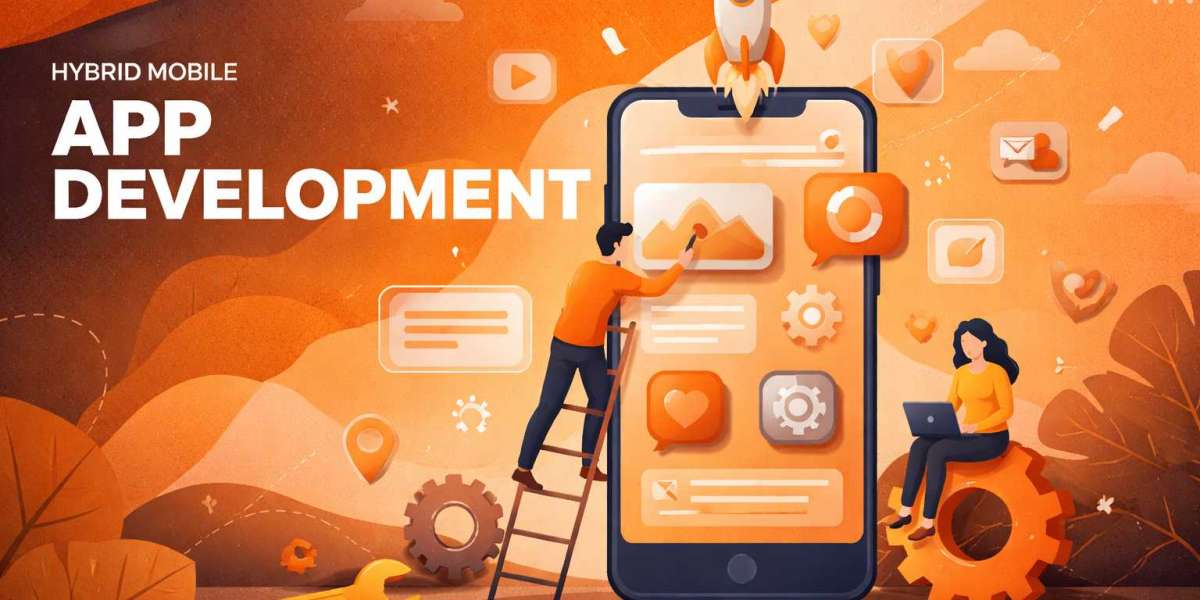
Mobile apps have become essential for customer engagement, revenue growth, and digital transformation. Businesses today need applications that launch quickly, perform smoothly, and reach users across Android and iOS without excessive cost. This is why Hybrid Mobile App Development Services are now one of the most popular choices for startups, growing brands, and enterprises.
Hybrid app development combines the speed of web technologies with the reach of native mobile platforms. Instead of building separate Android and iOS apps, businesses can develop one shared codebase that works across multiple devices. This saves time, lowers development expenses, and simplifies long-term maintenance.
In 2026, companies are increasingly choosing Hybrid Mobile App Development Solutions because they need scalable digital products that adapt quickly to market demand. This guide explains how hybrid development works, leading frameworks, business benefits, and future trends shaping the industry.
What Is Hybrid Mobile App Development?
Hybrid Mobile App Development is the process of creating mobile applications using technologies such as JavaScript, Dart, HTML, CSS, and modern frameworks like Flutter or React Native. These apps run on both Android and iOS using a shared codebase.
Unlike traditional native development, where separate teams build separate apps for each platform, hybrid development centralizes the process. This makes Hybrid App Development Services highly efficient for businesses looking to move faster.
Hybrid apps can access many native device features such as:
- Camera
- GPS
- Notifications
- Payments
- Storage
- Biometrics
This gives users a strong mobile experience while allowing businesses to reduce complexity.
Why Businesses Choose Hybrid Mobile App Development Services
Faster Time to Market
Speed matters in competitive industries. Businesses launching late often lose users to faster competitors. Hybrid development shortens project timelines because one codebase serves multiple platforms.
Lower Development Cost
Building separate native apps can significantly increase budget requirements. Hybrid Mobile App Development Services reduce costs by using one development workflow.
Easier Updates and Maintenance
New features, bug fixes, and design improvements can be rolled out simultaneously across Android and iOS.
Wider Market Reach
Launching on multiple platforms at the same time helps businesses reach more users immediately.
Scalable Growth Potential
Modern hybrid architecture supports integrations with cloud platforms, CRMs, analytics tools, payment systems, and enterprise software.
Top Frameworks for Hybrid App Development
Choosing the right framework is essential for performance and long-term success.
Flutter
Flutter is widely known for beautiful UI, fast rendering, and strong performance. It is a top choice for startups and enterprises alike.
React Native
Backed by a strong developer ecosystem, React Native enables reusable components and efficient development.
Ionic
Ionic is ideal for businesses that want strong web technology integration and fast deployment cycles.
Xamarin / .NET MAUI
Popular among enterprises using Microsoft ecosystems and backend infrastructure.
Each framework has different strengths, so selecting the right one depends on app goals, complexity, budget, and team expertise.
Benefits of Hybrid Apps for Startups
Faster MVP Launches
Startups need to validate ideas quickly. Hybrid development allows founders to launch MVPs without funding two native apps.
Lower Burn Rate
Early-stage companies can conserve resources while still reaching Android and iOS users.
Faster Product Iteration
Shared codebases help startups improve products rapidly based on real user feedback.
Easier Expansion
As traction grows, hybrid apps can scale with new features, user demand, and integrations.
Benefits of Hybrid Apps for Enterprises
Efficient Digital Transformation
Large companies often need customer apps, employee apps, partner portals, and internal tools. Hybrid development accelerates these rollouts.
Consistent Brand Experience
Users receive a unified design across platforms.
Reduced Operational Complexity
One codebase means easier maintenance, governance, and release management.
Better ROI
Enterprises can achieve broader digital reach without multiplying development costs.
Common Use Cases for Hybrid Mobile App Development Solutions
E-commerce Apps
Product browsing, shopping carts, loyalty systems, and order tracking.
Healthcare Apps
Appointments, telemedicine, patient communication, and health monitoring.
Fintech Apps
Wallets, payment tools, banking dashboards, and expense management.
Education Apps
Courses, quizzes, live classes, and student progress tracking.
On-Demand Services
Delivery apps, taxi booking, field service, and marketplace platforms.
These examples show why cross platform Hybrid Apps Development Services are growing rapidly across industries.
Role of Mobile App Development and Web App Development
Successful businesses often combine Mobile App Development Web App Development into one digital strategy. Users may discover a brand through search on desktop, sign up through a web portal, and continue engagement through a mobile app.
This connected ecosystem helps businesses:
- Increase conversions
- Improve customer retention
- Offer seamless experiences
- Share backend systems efficiently
- Reduce friction across channels
Hybrid solutions fit naturally into this modern multi-channel approach.
How to Build a Successful Hybrid App
Start with Business Goals
Clarify the purpose of the app, user needs, and revenue model.
Focus on UX Design
Good design improves engagement, retention, and customer satisfaction.
Choose the Right Framework
Select technology based on speed, integrations, performance, and future growth.
Build Secure Architecture
Use encryption, secure authentication, and privacy-first data handling.
Test Across Devices
Hybrid apps must be tested across screen sizes, operating systems, and performance scenarios.
Plan Post-Launch Support
Apps require continuous updates, analytics review, and feature improvements.
Choosing Based on Price Alone
Cheap development can create technical debt and poor user experiences.
Ignoring Scalability
Apps should support future users and feature growth from the beginning.
Weak Testing
Poor testing leads to crashes, bugs, and negative reviews.
Overloading Features
Simple, focused experiences often perform better than crowded apps.
Future Trends in Hybrid Mobile App Development
AI Integration
Hybrid apps increasingly include chatbots, recommendations, predictive analytics, and automation.
Better Native Performance
Frameworks continue closing the gap between hybrid and native experiences.
Cloud-First Apps
More businesses are using serverless systems, scalable APIs, and cloud infrastructure.
Progressive Web App Synergy
Hybrid mobile apps and browser-based apps will increasingly share components and backend systems.
Faster Development with Low-Code Support
Some businesses will combine hybrid frameworks with low-code tools for rapid deployment.
Why Hybrid Development Will Continue Growing
Business leaders care about outcomes: speed, cost control, reach, and scalability. Hybrid Mobile App Development Services directly support these priorities, making them a long-term strategic choice rather than a temporary trend.
As frameworks improve and user expectations rise, hybrid apps will remain a strong option for organizations wanting smart digital growth.
Conclusion
Hybrid Mobile App Development Services give businesses a practical way to launch modern apps faster, reduce costs, and reach users across Android and iOS with one codebase. They are ideal for startups seeking lean growth and enterprises focused on efficiency.
With advanced frameworks, strong performance, and future-ready scalability, Hybrid Mobile App Development Solutions are shaping the next generation of digital products. When paired with the right strategy and experienced team, hybrid apps can become a powerful engine for business success in 2026 and beyond.