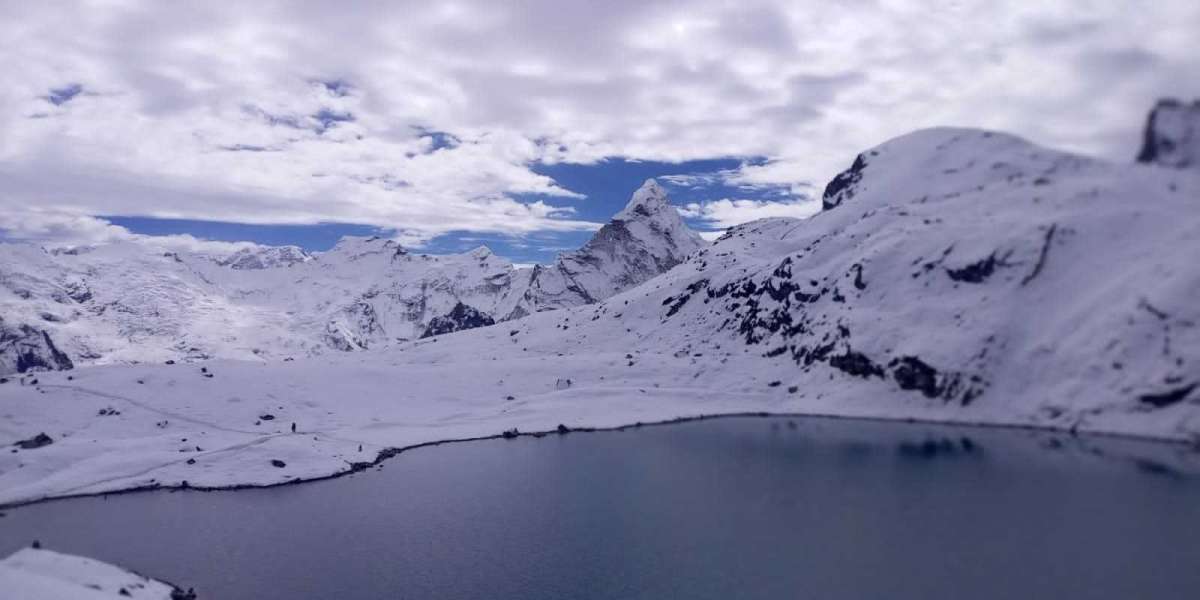

Breathtaking views define the Annaporn Base Camp Trek, yet hidden behind those vistas are relentless stone staircases. Not gentle paths - instead, sharp inclines cut right into rocky slopes. Each step rises unevenly, worn by weather and time. Feet stumble more than expected; rhythm gets broken without warning. Stamina fades quicker when climbing flight after flight through thin air. Balance shifts constantly under shifting loads. Patience wears down just like shoe soles over days. Success isn’t loud - it shows in steady breaths mid-ascent. Training legs matters, sure - but training focus matters just as much.
The Truth About Stone Steps Along the Path
Stone stairs stretch across the path from lowland hamlets up into high mountain homes along the trek to Annapurna Base Camp. Unlike city steps, these rise unevenly - some taller, some tilted, shaped by time and footfall. The trail linking Chhomrong to base camp tests endurance with a climb after a drop, each slope feeding into the next. What seems flat suddenly tilts upward again without warning.
Up those steps, the ground climbs hard - each one pulls more from your body than you expect. Focus shifts with every footfall; it is not only power that carries you, but timing too.
Stairs Are Harder When the Air Is Thinner
Stairs along the Annapurna Base Camp route feel tough because of the thin air, not only the slope. Up there, every breath pulls in less oxygen, so walking slowly takes heavier work. Each step demands extra power when the peak looms above, unlike trails near sea level where legs move more easily. Fatigue arrives quicker, creeping in with each rise under high skies.
Heavy air plus climbing stairs makes legs burn, breathing harder. When going far into Annapurna Sanctuary, strong hikers still lose speed on steep steps. Upward motion never quits, oxygen drops - body reacts fast.
The Downhill Struggle Eccentric Muscle Stress
Stairs going down test your legs just as much as steps up. Muscles work hard to slow you, stretching under load through the knees and thighs. After hours of dropping elevation - say, leaving Machhapuchhre Base Camp or heading back from Annapurna Base Camp - the burn settles deep.
Downhill walking tricks a lot of hikers - sore legs afterward usually come from the descent, not the climb up. Staying steady matters; using poles helps, so does taking slow, deliberate steps to save your knees.
Pacing Yourself on Endless Steps
Most people find it easier to handle steep steps during the Annapurna Base Camp Trek by going at a manageable speed. Rushing ahead tends to drain strength fast, whereas keeping a regular pace helps save power for later. Many seasoned hikers sync their breath with every footfall, building a flow that supports longer ascents without strain.
Resting briefly when your body signals a pause keeps the heartbeat steady while easing tension in muscles. What matters most isn’t moving fast - it’s staying consistent, particularly during extended stretches of stairs that drag on for hours.
The Mental Toll of Doing Things Over
Stairs challenge more than just muscles - thoughts weigh in too. Pushing up again and again wears down the mind, particularly if the next stop hides beyond view. With each rise, the rhythm turns dull, nudging at willpower without warning. Though legs lift, it's often the head that drags behind.
Still, the Annapurna Base Camp Trek works best when you keep going. Step after step opens into fresh terrain - sometimes a hamlet, sometimes just stone and sky. Paying attention to tiny wins, rather than counting steps, keeps your head clear mile by mile.
Preparation for ascending stairs before trek
Getting ready for hikes with lots of stairs works better when you train ahead. Stronger legs mean less struggle once you hit the paths in Nepal. Climbing steps, walking uphill, doing step-ups - these mimic what lies ahead on the way to Annapurna Base Camp. Each foot lift prepares muscles just a bit more.
Heavy steps come easier when practice includes a loaded pack, mimicking real trail demands. What happens on flat ground changes once hills appear - being ready matters. Carrying weight while climbing trains muscles in ways walking alone cannot. Unexpected stretches of stone stairs lose their edge if legs already know the rhythm. Villages often hide steep paths; prior load exposure smooths those surprises.
Reducing Strain with Tools and Methods
Most of the time, how you move matters when handling steps. Stay upright, take shorter steps, and pull your stomach tight so the strain is better distributed across the body. Using trekking poles tends to ease knee stress whether going up or down. What helps often comes from balance rather than speed.
Confidence grows when footing stays secure through bumpy stretches.
Stairs Are Part of Trekking
Step by step, the path up Annapurna base camp isn’t simply steps cut from rock - each one sets the pace. Though tiring, these stones guide how you move through the landscape. Their presence changes everything, turning motion into something deliberate. Instead of rushing ahead, feet learn to wait.
Stairs feel less daunting once you figure out your rhythm. When ready, go slow - focus shapes how well you handle each rise. Step after step pulls you deeper into the mountains, not just forward. Each one matters, even when they seem never to stop.