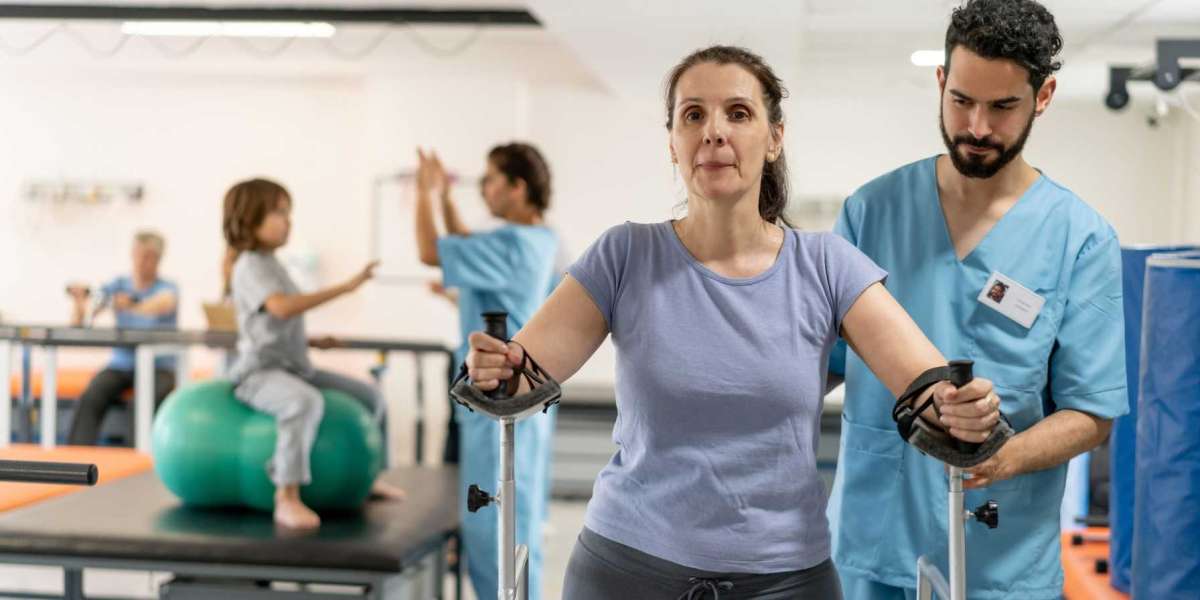

After a car accident, many people expect to feel pain immediately. However, it is very common for symptoms to appear hours or even several days later. Individuals involved in collisions often feel relatively normal right after the incident, only to notice stiffness, soreness, headaches, or mobility issues developing later. This delayed response is one of the reasons motor vehicle accident physiotherapy Edmonton plays an important role in post-accident recovery and early assessment.
During a car accident, the body experiences sudden and unexpected forces. Even in low-speed collisions, the rapid movement of the neck, spine, and joints can place stress on muscles, ligaments, and soft tissues. Immediately after the accident, the body releases adrenaline and other stress hormones. These chemicals help the body react quickly in stressful situations but can also temporarily mask pain and discomfort. Because of this natural response, injuries may not become noticeable until the body begins to relax and the effects of adrenaline wear off.
Inflammation is another reason why pain may appear days after a collision. When tissues experience trauma, the body begins a healing process that includes swelling and increased blood flow to the injured area. While this response helps repair damaged tissue, it can also lead to stiffness, soreness, and restricted movement. Motor vehicle accident physiotherapy Edmonton often addresses these inflammatory responses by helping restore mobility and reducing tension in affected areas.
Whiplash is one of the most well-known injuries associated with delayed pain after a motor vehicle accident. The sudden forward and backward motion of the neck can strain muscles, ligaments, and joints in the cervical spine. In many cases, symptoms such as neck stiffness, headaches, shoulder tension, and reduced range of motion do not appear immediately. Instead, they may develop gradually within the first few days following the accident. MVA physiotherapy Edmonton focuses on assessing these symptoms and supporting recovery through controlled movement and therapeutic techniques.
Soft tissue injuries are another common cause of delayed pain. Muscles, tendons, and ligaments may experience microscopic tears during the impact. These injuries may initially feel mild but can become more noticeable as inflammation increases and tissues begin to tighten. Motor vehicle accident physiotherapy helps manage these soft tissue injuries by improving circulation, reducing stiffness, and guiding gradual movement recovery.
Another reason symptoms may appear later is muscle guarding. After trauma, the body instinctively tightens surrounding muscles to protect injured areas. While this protective response is helpful initially, prolonged muscle tension can lead to discomfort, reduced flexibility, and pain in nearby regions such as the shoulders, back, or hips. Motor vehicle accident physiotherapy Edmonton works to restore normal movement patterns and reduce protective muscle tension that may contribute to ongoing pain.
Delayed headaches are also frequently reported after accidents. These headaches may be related to whiplash injuries, muscle tension in the neck and shoulders, or changes in posture following the collision. In some cases, individuals may also experience dizziness, fatigue, or concentration difficulties in the days following an accident. MVA physiotherapy helps address these symptoms by focusing on movement, posture, and neuromuscular coordination.
Psychological stress can also influence how and when symptoms appear. Being involved in a car accident can be a stressful experience, and the body may remain in a heightened state of alertness immediately afterward. As the body begins to calm down in the following days, physical discomfort may become more noticeable. Motor vehicle accident physiotherapy often includes education and guided exercises that help individuals regain confidence in movement during recovery.
It is important to monitor any new symptoms that appear after a collision, even if the accident initially seemed minor. Neck pain, back pain, headaches, stiffness, reduced mobility, or unusual fatigue should not be ignored. Early assessment allows healthcare professionals to identify potential injuries and begin appropriate rehabilitation. Motor vehicle accident physiotherapy Edmonton supports this process by providing structured evaluations and tailored treatment approaches.
Seeking physiotherapy after a car accident does not necessarily mean that an injury is severe. In many cases, early rehabilitation helps prevent minor symptoms from developing into long-term issues. By restoring movement, improving circulation, and reducing muscle tension, motor vehicle accident physiotherapy helps the body recover more effectively and safely.
Another benefit of early physiotherapy intervention is the prevention of compensation patterns. When pain or stiffness develops, individuals may unknowingly adjust their posture or movement to avoid discomfort. Over time, these altered patterns can place additional stress on other areas of the body, leading to secondary pain in the back, shoulders, or hips. MVA physiotherapy Edmonton focuses on correcting these movement patterns before they become long-term problems.
Recovery timelines after motor vehicle accidents vary from person to person. Factors such as the severity of the collision, the type of injury, overall health, and how quickly treatment begins can all influence recovery. Motor vehicle accident physiotherapy Edmonton provides individualized care plans designed to support gradual healing and restore normal function.
In conclusion, experiencing pain days after a car accident is a common and natural response to trauma. Adrenaline, inflammation, soft tissue injury, and muscle tension can all contribute to delayed symptoms. Motor vehicle accident physiotherapy and MVA physiotherapy Edmonton play an important role in identifying these issues and supporting safe recovery. By addressing symptoms early and guiding rehabilitation, physiotherapy helps individuals regain mobility, reduce discomfort, and return to daily activities with greater confidence.