
When it comes to creating a comfortable home environment, soundproofing is often overlooked. Excessive noise from neighbors, street traffic, or even household appliances can disrupt daily life and reduce your home’s overall comfort. One effective, yet often underestimated solution is loose fill insulation. Beyond its thermal benefits, loose fill insulation can significantly enhance soundproofing in residential spaces.
Understanding Loose Fill Insulation
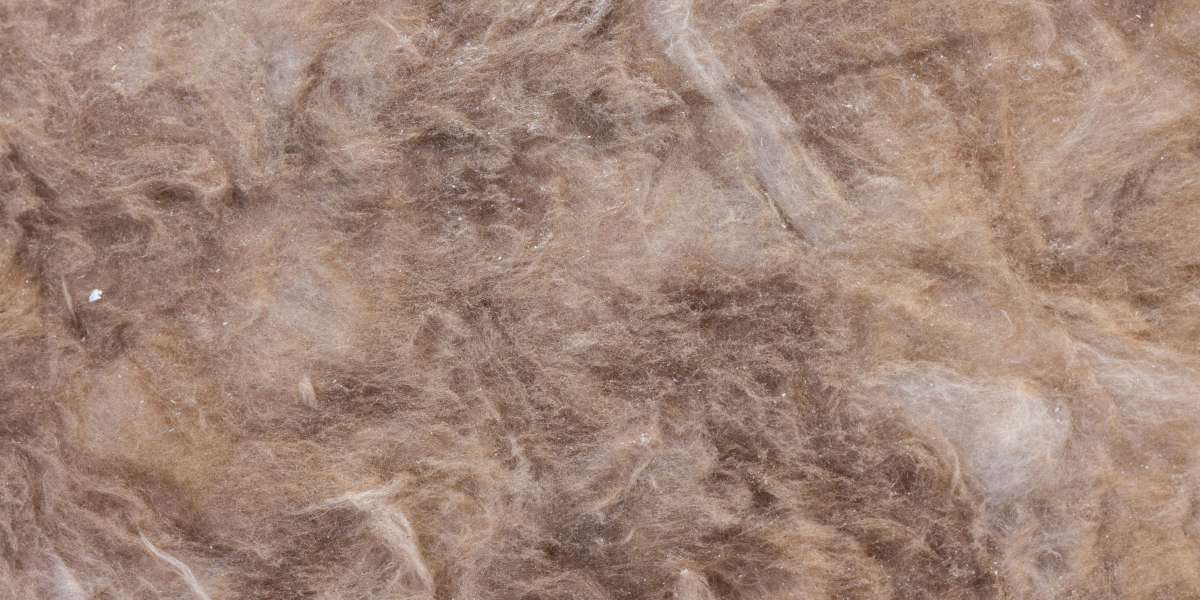
Loose fill insulation, also known as blown-in insulation, consists of small particles of fiberglass, cellulose, or mineral wool that are blown into walls, ceilings, or attic spaces. Unlike traditional batt insulation, loose fill conforms to irregular spaces and fills cavities more completely, reducing gaps that could allow sound and air to pass through.
Homeowners looking for loose fill insulation services or general insulation services often choose this option for both energy efficiency and soundproofing improvements.
How Sound Travels in Homes
Before understanding how loose fill insulation works, it’s important to know how sound travels. Sound moves in waves through air, walls, and floors. Materials that are dense, thick, or absorbent can reduce the intensity of these waves. Traditional walls often have hollow spaces that allow noise to bounce through easily, making rooms sound louder than they should be.
Loose fill insulation combats this by filling gaps and reducing air pockets that transmit sound. It essentially acts as a buffer, absorbing noise and preventing it from traveling freely through walls, ceilings, and floors.
Benefits of Loose Fill Insulation for Soundproofing
1. Noise Reduction
Loose fill insulation absorbs sound waves effectively, especially high-frequency noises such as voices, television, or music. By filling cavities within walls and ceilings, it minimizes echo and reduces the amount of sound that passes from one room to another.
2. Flexible Application
One of the biggest advantages of loose fill insulation is its adaptability. It can be installed in attics, existing walls, or even difficult-to-reach areas without requiring major renovations. Homeowners seeking insulation services will find loose fill ideal for retrofitting older homes where walls cannot be easily removed.
3. Improved Privacy
Whether you live in a bustling urban area or a shared living space, privacy is important. By dampening noise, loose fill insulation creates a quieter environment, helping you enjoy conversations, watch television, or work from home without interruptions.
4. Energy Efficiency Benefits
While soundproofing is the focus, it’s worth noting that loose fill insulation also improves thermal performance. Better temperature control reduces heating and cooling costs, making it a dual-purpose investment. Many loose fill insulation services providers emphasize both energy efficiency and soundproofing benefits when advising homeowners.
5. Enhanced Home Value
Homes with effective soundproofing solutions are often more appealing to buyers. Installing loose fill insulation can be a selling point for prospective buyers who value comfort and quiet living spaces.
Types of Loose Fill Insulation
Several types of loose fill insulation are used for soundproofing:
- Cellulose Insulation: Made from recycled paper products treated for fire resistance, cellulose is dense and excellent for sound absorption.
- Fiberglass Insulation: Lightweight and easy to install, fiberglass loose fill insulation can reduce airborne noise and is resistant to moisture.
- Mineral Wool: Also known as rock wool, this type provides superior sound absorption and fire resistance.
Professional loose fill insulation services can help you choose the best material based on your home’s structure, budget, and noise reduction needs.
Installation Process for Maximum Soundproofing
Proper installation is key to achieving the best results. Here’s a brief overview of the process:
- Assessment: A professional insulation service assesses your home’s walls, ceilings, and attic spaces to determine the optimal insulation type and amount.
- Preparation: Areas to be insulated are prepped, including sealing gaps and ensuring structural integrity.
- Blowing the Insulation: Using specialized machines, loose fill insulation is blown into cavities, filling voids completely.
- Finishing Touches: After installation, professionals ensure even distribution and check for any gaps or compressed areas.
Correct installation ensures maximum sound absorption and prevents future settling, which can reduce effectiveness over time.
Comparing Loose Fill to Other Soundproofing Methods
While there are many ways to soundproof a home—such as acoustic panels, double drywall, or carpets—loose fill insulation offers several advantages:
- Cost-Effective: It’s generally less expensive than structural modifications.
- Energy Savings: Unlike some soundproofing-only solutions, it also improves thermal efficiency.
- Minimal Disruption: Installation is less invasive than tearing down walls or adding new layers of drywall.
For homeowners considering insulation services, loose fill insulation can be both a soundproofing and energy-efficient solution.
Maintenance and Longevity
Loose fill insulation is durable, often lasting decades when properly installed. However, it’s important to periodically check for:
- Settling of insulation that may reduce effectiveness
- Moisture intrusion that can damage the material and reduce soundproofing
- Pest activity that could compromise the insulation
Routine maintenance can ensure that your home remains quiet and energy-efficient for years.
Choosing the Right Insulation Service
Selecting a professional insulation service is critical. Experienced providers can:
- Evaluate your home’s unique noise challenges
- Recommend the appropriate type and thickness of loose fill insulation
- Ensure professional installation for maximum soundproofing and energy efficiency
Look for companies that specifically offer loose fill insulation services in addition to general insulation services. Reviews, certifications, and past project examples can help you choose a trusted provider.
Conclusion
Loose fill insulation is more than just a tool for energy savings it’s a powerful ally in home soundproofing. By filling gaps, absorbing sound waves, and improving privacy, it transforms noisy spaces into serene environments.
Whether you’re building a new home or upgrading an existing property, investing in professional loose fill insulation services is a smart choice for anyone looking to enhance comfort, reduce noise, and add long-term value to their home.