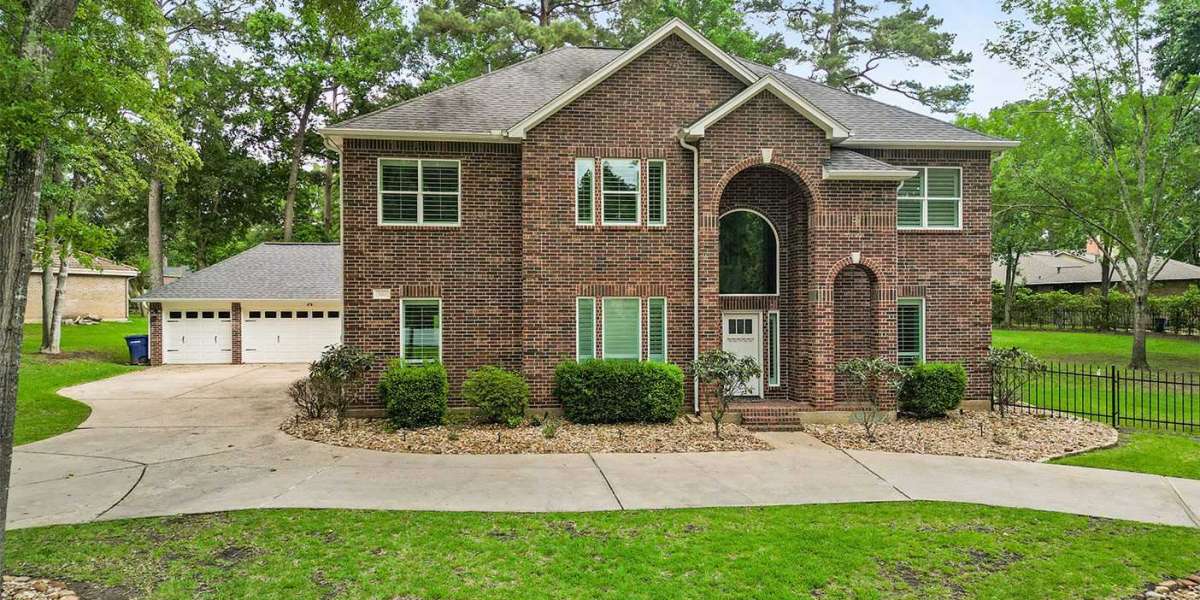

Buying a home is one of the biggest financial decisions you will ever make, and purchasing property in Texas comes with its own unique set of considerations. From understanding the local real estate market to evaluating property taxes and climate factors, being informed can save you time, money, and stress. If you're planning to Buy a house at the best price in Texas, here are the essential things you need to know before making your move.
1. Understand the Texas Real Estate Market
The Texas housing market is diverse and varies significantly depending on the city and region. Major metropolitan areas like Austin, Dallas, Houston, and San Antonio often have competitive markets with rising home prices, while smaller towns and rural areas offer more affordable options.
Before buying, research:
- Current market trends
- Average home prices in your desired area
- Supply and demand conditions
Timing can impact how much you pay. In a seller’s market, prices are typically higher and competition is fierce. In a buyer’s market, you may have more room to negotiate.
2. Property Taxes Are Higher Than Average
Texas is known for having no state income tax, which is appealing to many buyers. However, this benefit comes with a trade-off property taxes in Texas are among the highest in the United States.
Property tax rates vary by county but typically range between 1.5% and 2.5% of the home’s assessed value annually. Before purchasing a home, calculate how much you will pay in property taxes and factor it into your monthly budget.
3. Homeowners Insurance and Weather Risks
Texas experiences a variety of weather conditions, including hurricanes, floods, tornadoes, and extreme heat. Depending on where you buy, you may need additional insurance coverage.
Important considerations include:
- Flood insurance (especially in coastal or flood-prone areas)
- Windstorm insurance for hurricane-prone regions
- Higher premiums in certain areas due to climate risks
Always check the home's risk zone and insurance costs before finalizing your purchase.
4. Location Matters More Than You Think
Texas is a massive state, and location plays a critical role in your lifestyle and property value. Consider:
- Proximity to work, schools, and amenities
- Traffic and commute times
- Neighborhood safety and development plans
Urban areas may offer convenience and job opportunities, while suburban or rural areas may provide larger homes and quieter environments at lower costs.
5. Homeowners Associations (HOAs)
Many neighborhoods in Texas, especially newer developments, are governed by Homeowners Associations (HOAs). These organizations enforce rules and collect fees for maintaining community standards.
Before buying, review:
- HOA fees (monthly or yearly)
- Rules and restrictions (e.g., exterior modifications, parking)
- Services included (landscaping, security, amenities)
HOA fees can add significantly to your monthly expenses, so it’s important to understand what you're agreeing to.
6. Financing and Mortgage Options
Securing the right financing is crucial. Texas offers various mortgage options, including:
- Conventional loans
- FHA loans (ideal for first-time buyers)
- VA loans (for eligible veterans)
- USDA loans (for rural properties)
Get pre-approved before house hunting to understand your budget and strengthen your offer. Also, compare interest rates, loan terms, and lender fees to ensure you're getting the best deal.
7. Closing Costs and Fees
In addition to the down payment, buyers must cover closing costs, which typically range from 2% to 5% of the home's purchase price. These costs may include:
- Loan origination fees
- Title insurance
- Appraisal fees
- Inspection costs
Sometimes sellers may agree to cover part of these costs, but that depends on market conditions and negotiations.
8. Home Inspections Are Essential
A home inspection is a critical step in the buying process. It helps identify potential issues with the property, such as:
- Structural damage
- Plumbing or electrical problems
- Roof condition
- HVAC system performance
Never skip a home inspection, even in a competitive market. It can save you from costly repairs later and give you leverage to negotiate the price.
9. Energy Efficiency and Utility Costs
Texas summers can be extremely hot, leading to high electricity bills due to air conditioning usage. When evaluating a home, consider:
- Insulation quality
- Energy-efficient windows
- Age and efficiency of HVAC systems
Energy-efficient homes may cost more upfront but can significantly reduce your long-term expenses.
10. Legal and Disclosure Requirements
Texas law requires sellers to disclose known issues with the property, such as past flooding, structural problems, or pest infestations. Carefully review the Seller’s Disclosure Notice and ask questions if anything is unclear.
You may also want to hire a real estate attorney to review contracts and ensure everything is legally sound.
11. Future Resale Value
Even if you plan to stay long-term, it's wise to consider the home's resale potential. Factors that influence resale value include:
- Location and neighborhood growth
- School district quality
- Property condition and upgrades
A well-located home in a growing area is more likely to appreciate in value over time.
12. New Construction vs. Existing Homes
Texas has a booming construction market, giving buyers the option to choose between new builds and existing homes.
New Construction Pros:
- Modern design and features
- Energy efficiency
- Lower maintenance initially
Existing Home Pros:
- Established neighborhoods
- Potentially lower cost
- Mature landscaping
Evaluate your priorities and budget before deciding which option is best for you.
13. Work With a Local Real Estate Agent
A knowledgeable real estate agent can make a huge difference in your home-buying experience. They can:
- Help you find suitable properties
- Negotiate better deals
- Guide you through legal and financial processes
Choose an agent who understands the local market and has a strong track record.
Final Thoughts
Buying a home in Texas can be a rewarding investment if you approach it with the right knowledge and preparation. From understanding property taxes and insurance requirements to evaluating neighborhoods and financing options, every detail matters.
Take your time to research, plan your budget carefully, and seek professional guidance when needed. With the right strategy, you can find a home that fits your needs and offers long-term value.
By keeping these essential factors in mind, you’ll be better equipped to make a confident and informed decision when entering the Texas real estate market.