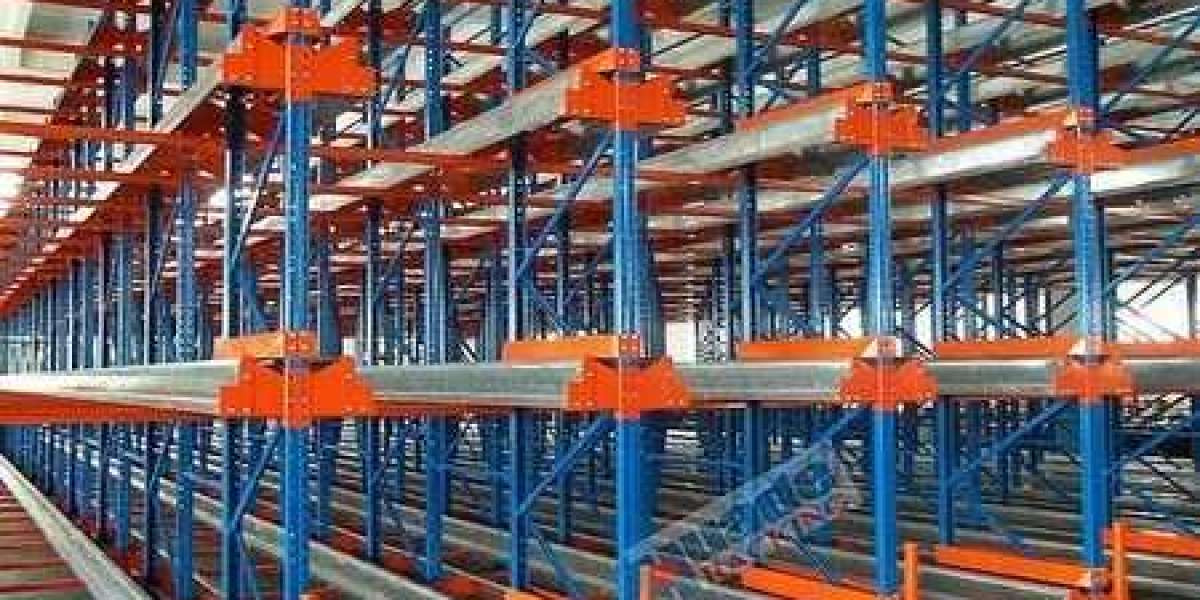

When it comes to industrial storage solutions, racking heavy duty systems play a crucial role in maximizing space, improving organization, and ensuring safety. Whether used in warehouses, factories, or distribution centers, these systems are designed to handle high loads while maintaining structural integrity. In this guide, we’ll explore everything you need to know about heavy-duty racking, including its benefits, types, features, and best practices.
What is Heavy Duty Racking?
Heavy duty racking refers to storage systems specifically engineered to support large, bulky, and heavy items. Unlike standard shelving, these racks are built with robust materials such as high-grade steel and reinforced beams to withstand significant weight loads.
These systems are commonly used in industries like logistics, manufacturing, automotive, and retail where efficient storage of heavy goods is essential.
Benefits of Heavy Duty Racking Systems
1. Maximized Storage Space
Heavy duty racking systems utilize vertical space efficiently, allowing businesses to store more products without expanding their physical footprint.
2. High Load Capacity
Designed for strength, these racks can support substantial weight, making them ideal for storing machinery, pallets, and bulk inventory.
3. Improved Organization
With structured storage, it becomes easier to categorize and access items, reducing retrieval time and increasing productivity.
4. Enhanced Safety
Properly installed heavy duty racking minimizes the risk of accidents by securely holding items and preventing collapses.
5. Durability and Longevity
These systems are built to last, offering long-term value with minimal maintenance requirements.
Types of Heavy Duty Racking Systems
1. Selective Pallet Racking
This is one of the most common types, providing direct access to each pallet. It’s ideal for warehouses with a wide variety of products.
2. Drive-In Racking
Designed for high-density storage, forklifts can drive directly into the rack system. It is suitable for storing large quantities of similar items.
3. Cantilever Racking
Perfect for long and bulky items like pipes, timber, or steel bars. It features arms extending from a central column.
4. Push Back Racking
This system uses a series of nested carts that move along inclined rails, allowing multiple pallets to be stored in depth.
5. Pallet Flow Racking
Also known as gravity flow racking, it uses rollers to move pallets from the loading side to the picking side.
Key Features to Look For
मजबूत Construction (Strong Build Quality)
Ensure the racking system is made from high-quality materials capable of handling heavy loads.
Adjustable Design
Flexibility in beam levels allows customization based on changing storage needs.
Corrosion Resistance
Protective coatings or finishes help prevent rust and extend the lifespan of the racks.
Load Capacity Indicators
Clear labeling helps users understand weight limits and maintain safety.
Compatibility with Equipment
The system should be compatible with forklifts and other handling equipment used in your facility.
Installation and Safety Tips
Proper Installation
Always ensure that the racking system is installed according to manufacturer guidelines and industry standards.
Regular Inspections
Conduct routine checks to identify any damage, wear, or misalignment.
Load Distribution
Distribute weight evenly across the racks to prevent structural stress.
Employee Training
Train staff on proper loading, unloading, and safety protocols.
Use of Safety Accessories
Install guards, barriers, and locking mechanisms to enhance safety.
Applications of Heavy Duty Racking
Heavy duty racking systems are versatile and widely used across multiple industries:
- Warehousing and logistics
- Manufacturing units
- Automotive storage
- Construction material storage
- Retail inventory management
Their adaptability makes them an essential component of modern storage infrastructure.
How to Choose the Right Heavy Duty Racking System
Choosing the right system depends on several factors:
- Type of goods: आकार, वजन, और प्रकृति (size, weight, and nature)
- Storage density needs
- Accessibility requirements
- Available space
- Budget constraints
Analyzing these factors ensures you select a system that meets both current and future needs.
Maintenance Best Practices
- Keep racks clean and free from debris
- Replace damaged components immediately
- Avoid overloading beyond recommended capacity
- Schedule periodic professional inspections
Proper maintenance not only extends the lifespan but also ensures safety and efficiency.
FAQs About Heavy Duty Racking
1. What is the weight capacity of heavy duty racking?
The weight capacity varies depending on the design and materials used. It can range from a few hundred kilograms to several tons per level.
2. Is heavy duty racking suitable for small warehouses?
Yes, it can be customized to fit smaller spaces while still providing efficient storage solutions.
3. How often should racking systems be inspected?
It is recommended to perform visual inspections weekly and detailed inspections at least once every few months.
4. Can heavy duty racks be relocated?
Yes, most systems are modular and can be dismantled and reinstalled at a different location.
5. What materials are used in heavy duty racking?
Typically, high-strength steel is used due to its durability and load-bearing capabilities.
6. Are these racks customizable?
Yes, they can be tailored in terms of height, width, and load capacity to meet specific requirements.
Conclusion
Heavy duty racking systems are a vital investment for any business dealing with large-scale storage needs. With their superior strength, flexibility, and efficiency, they help optimize space while ensuring safety and organization. By selecting the right type and maintaining it properly, businesses can significantly improve operational productivity and storage management.