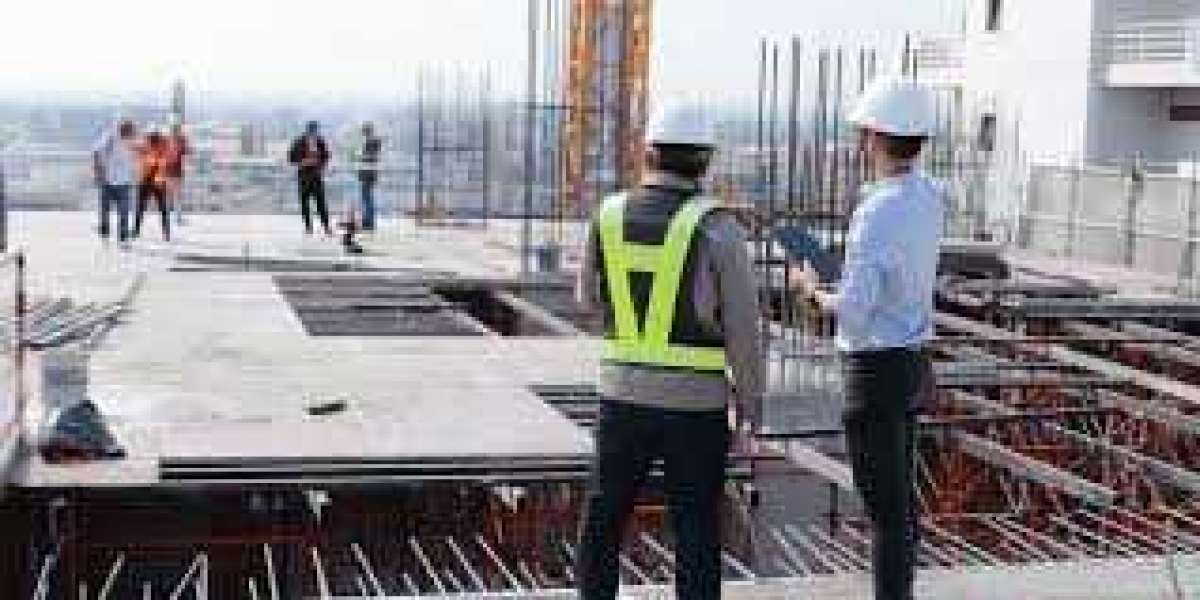

When people think about construction, they often picture concrete structures, steel frameworks, and architectural designs. But behind every successful building lies a less visible yet critical process — MEP coordination. It is not just a technical requirement; it is the element that determines whether a project runs smoothly or turns into a costly challenge.
MEP coordination focuses on aligning mechanical, electrical, and plumbing systems within a building so they function together without conflicts. While each system has its own purpose, they all share limited space within ceilings, walls, and service areas. Without proper coordination, clashes between these systems are almost inevitable.
What is MEP Coordination?
MEP coordination is the process of integrating all building MEP design services — HVAC ducts, electrical conduits, plumbing pipes, fire protection systems — into a single, conflict-free design. It ensures that every component fits perfectly within the structure without interfering with other systems.
In simple terms, it answers one critical question:
“Can everything actually fit and work together in real space?”
Why MEP Coordination Matters So Much?
1. Prevents Costly On-Site Errors
One of the biggest risks in construction is discovering clashes during installation. Imagine a duct running through the same space as a structural beam or electrical tray. Fixing such issues on-site leads to delays, redesigns, and increased costs.
With proper MEP coordination, these problems are identified and resolved during the design stage — long before construction begins.
2. Improves Project Efficiency
When all systems are aligned from the start, construction becomes faster and more organized. Contractors don’t have to stop work to resolve unexpected conflicts, and project timelines remain intact.
This level of efficiency is especially important in large-scale projects like hospitals, commercial buildings, and high-rise towers.
3. Maximizes Space Utilization
Modern buildings often have tight service spaces. Poor coordination can lead to overcrowded ceilings and inefficient layouts. MEP coordination ensures optimal use of available space, allowing systems to run smoothly without unnecessary complexity.
4. Enhances Long-Term Maintenance
A well-coordinated MEP design doesn’t just help during construction — it also makes maintenance easier. Clear access to systems, logical layouts, and proper spacing ensure that future repairs or upgrades can be carried out without major disruptions.
Role of BIM in MEP Coordination
Today, MEP coordination has evolved significantly with the use of Building Information Modeling (BIM). Instead of relying on 2D drawings, engineers now create detailed 3D models that show how all systems interact within a building.
With BIM, teams can:
- Detect clashes before construction begins
- Visualize complex systems clearly
- Improve collaboration between disciplines
- Reduce errors and rework
This digital approach has made coordination more accurate and efficient than ever before.
Common Challenges in MEP Coordination
Despite its importance, MEP coordination is not always easy. Some common challenges include:
- Lack of communication between different teams
- Design changes during construction
- Limited space in compact buildings
- Time constraints in fast-track projects
Overcoming these challenges requires experienced engineers, proper planning, and the use of advanced tools.
Conclusion
MEP coordination may not always be visible, but it is one of the most important aspects of modern construction. It ensures that all building systems work together seamlessly, reducing costs, saving time, and improving overall performance.
In today’s fast-paced construction industry, successful projects are not just about strong structures or attractive designs — they are about how well everything works together behind the scenes. And that is exactly what MEP coordination makes possible.