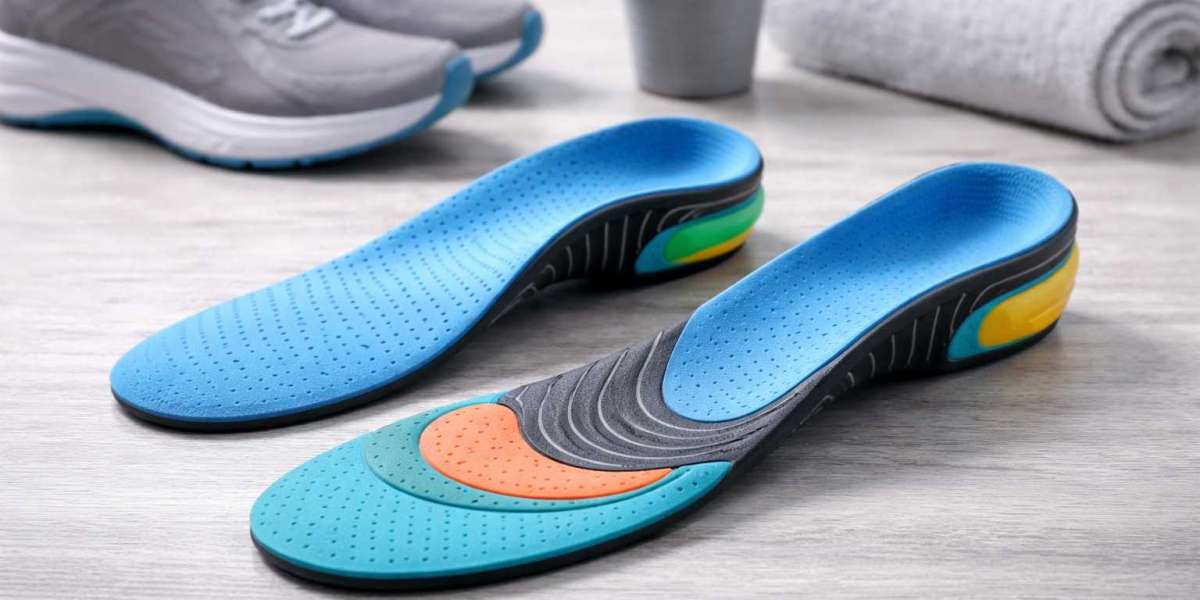

High arch syndrome, medically referred to as pes cavus, is a structural foot condition characterized by an abnormally elevated medial longitudinal arch. Unlike flat feet, which distribute weight broadly across the plantar surface, high arches concentrate biomechanical load on the heel (calcaneus) and the metatarsal heads — areas anatomically ill-equipped for sustained pressure.
The therapeutic use of insoles for high arches is well-documented in podiatric literature. When selected correctly, insoles reduce plantar pressure, correct supination patterns, improve gait mechanics, and prevent downstream musculoskeletal complications including patellofemoral syndrome, tibial stress fractures, and chronic lower back pain.
This buying guide is structured to assist consumers, clinicians, and caregivers in making an evidence-informed decision when selecting between the three primary insole categories: gel, foam, and orthotic.
Section 1: Establishing Your Clinical Need
Before evaluating insole types, it is essential to categorize the severity of your high arch condition, as this directly determines the level of intervention required.
Individuals with a mild classification — characterized by a slightly elevated arch with minimal or occasional discomfort — are best served by cushioning-focused insoles such as gel or soft foam. Those falling into a moderate classification, where the arch height is noticeably elevated and pain occurs intermittently during activity, benefit most from semi-rigid foam insoles or over-the-counter orthotic devices. Individuals presenting with a severe classification — marked by a pronounced arch, chronic pain, and measurable gait deviation — require custom orthotic insoles fabricated under clinical supervision.
It is strongly advised that anyone experiencing persistent heel pain upon waking, recurrent ankle sprains, or pain radiating to the knee or lumbar region seek a formal assessment by a licensed podiatrist or orthopedic specialist prior to purchasing any insole product.
Section 2: Gel Insoles — Cushioning Without Correction
Mechanism of Action
Gel insoles are composed of silicone-based polymers that deform under load and return to their original shape, providing viscoelastic shock absorption. They primarily address symptomatic relief rather than structural correction of the arch.
Clinical Suitability for High Arches
Gel insoles are appropriate for individuals with mild pes cavus who require additional plantar cushioning rather than arch realignment. They are particularly beneficial in occupational settings involving prolonged standing on hard, non-compliant surfaces such as concrete floors, where impact forces are elevated throughout the working day.
Buying Criteria — What to Look For
When purchasing gel insoles for high arches, several technical factors must be evaluated. Heel cup depth is a primary consideration — a deep heel cup of at least 12 millimeters is preferred to stabilize the calcaneus and prevent lateral roll during ambulation. Forefoot padding is equally important; look for dual-density gel construction with reinforced metatarsal padding to offload pressure from the ball of the foot, which bears disproportionate load in high-arch presentations.
Material firmness also matters. A medium-firmness gel rated at Shore A 20 to 35 strikes the ideal balance between cushioning and functional support. Finally, confirm that the insole profile is compatible with your intended footwear — low-profile designs suit dress or formal shoes, while full-length versions are appropriate for athletic or casual footwear.
Limitations
Gel insoles do not provide adequate longitudinal arch support for moderate-to-severe high arches. Prolonged use without structural correction may perpetuate abnormal gait mechanics and accelerate joint degeneration in the ankle and knee over time.
Section 3: Foam Insoles — Adaptive Comfort with Mild Support
Mechanism of Action
Foam insoles are manufactured from either viscoelastic polyurethane, commonly known as memory foam, or ethylene-vinyl acetate, referred to as EVA. Memory foam offers pressure-adaptive contouring that responds to body heat and weight, while EVA provides consistent, density-dependent support that remains stable regardless of temperature.
Clinical Suitability for High Arches
Foam insoles occupy the middle ground in the insole spectrum. They are most effective for individuals with moderate high arches who require both cushioning and a degree of arch fill. EVA foam is commonly used as the structural base material in semi-rigid insoles prescribed for mild biomechanical correction.
Buying Criteria — What to Look For
Foam density is the most critical buying variable. Higher-density EVA foam, rated at or above 45 kilograms per cubic meter, offers firmer support suitable for active use, while lower-density foam is better suited for comfort-oriented applications. Equally important is the arch fill geometry — select insoles with a pre-shaped arch contour rather than flat foam sheets, ensuring the arch fill contacts the foot naturally without forcing an unnatural correction.
The top cover material affects long-term wearability. Moisture-wicking fabric covers such as Coolmax or bamboo charcoal blends reduce perspiration buildup and odor, which is particularly relevant in clinical and occupational environments. Dual-layer construction — combining a firm EVA base with a soft memory foam top layer — delivers both structural and comfort benefits in a single device. As a durability benchmark, quality foam insoles should maintain structural integrity for six to twelve months under regular use and should be replaced when visible compression or deformation is observed.
Limitations
Memory foam, while conforming to the foot's shape, provides minimal resistance to supination forces. It is not a substitute for orthotics in cases involving biomechanical dysfunction or pain of clinical significance.
Section 4: Orthotic Insoles — Structural Correction and Biomechanical Management
Mechanism of Action
Orthotic insoles are biomechanical devices engineered to realign the subtalar joint, redistribute plantar pressure, and control excessive supination. They function not merely as cushioning devices but as corrective medical instruments that influence the entire kinetic chain from the foot to the lumbar spine.
Clinical Suitability for High Arches
Orthotic insoles are the clinically indicated intervention for moderate-to-severe pes cavus. They are the only insole category capable of actively modifying foot posture and gait mechanics, making them the definitive recommendation for individuals suffering from chronic plantar fasciitis associated with high arches, recurrent lateral ankle sprains caused by supination, metatarsal stress fractures from concentrated forefoot loading, patellofemoral pain syndrome linked to lower limb malalignment, or those undergoing post-surgical foot rehabilitation.
Buying Criteria — Over-the-Counter Orthotics
For consumers selecting over-the-counter orthotic insoles for high arches, shell rigidity is the foremost consideration. Semi-rigid polypropylene or carbon fiber shells measuring three to four millimeters in thickness are recommended; fully flexible shells should be avoided as they fail to provide the corrective resistance required for pes cavus management.
An intrinsic arch post — specifically a built-in lateral wedge or varus posting — is essential to counteract the supination pattern characteristic of high arches. The heel stabilizer must feature a reinforced cup with a raised lateral wall of at least 15 millimeters for effective calcaneal control. A metatarsal bar or dome integrated into the forefoot region reduces pressure on the second through fourth metatarsal heads, a common pain site in high-arch presentations. From a regulatory standpoint, prioritize insoles cleared as FDA Class I medical devices or carrying CE marking, as these indicate adherence to established safety and efficacy standards.
Buying Criteria — Custom Orthotics
Custom orthotics are fabricated from a three-dimensional scan or plaster cast of the patient's foot, ensuring precise anatomical conformity. They are prescribed and fitted exclusively by licensed podiatrists or orthotists and are recommended when over-the-counter options fail to resolve symptoms after four to six weeks of consistent use. Custom devices typically carry a higher financial cost but are partially or fully covered by health insurance when accompanied by a formal clinical diagnosis.
Limitations
Over-the-counter orthotics may not accommodate all foot shapes and can cause initial discomfort during the break-in period, which typically spans one to two weeks. Custom orthotics present a higher financial barrier and require direct clinical access for prescription and fitting.
Section 5: Clinical Buying Recommendations by User Profile
Selecting the most appropriate insoles for high arches is most effective when purchasing decisions are aligned with individual lifestyle demands and clinical presentation.
An office professional experiencing mild arch discomfort is best served by a dual-density gel insole featuring a deep heel cup and dedicated forefoot padding for all-day seated and standing comfort.
A retail or healthcare worker spending eight or more hours on their feet requires greater structural endurance. An EVA foam insole with a pre-contoured arch and moisture-wicking cover offers the durability and hygiene performance needed in these demanding environments.
A runner or endurance athlete with high arches places significant repetitive stress on the plantar fascia and metatarsals. A semi-rigid over-the-counter orthotic with lateral posting and integrated metatarsal support is the clinically appropriate choice for this profile.
A patient with chronic plantar fasciitis or recurrent ankle instability has exceeded the threshold at which self-selected insoles are sufficient. Custom orthotics, fitted by a podiatrist following a formal biomechanical assessment, are strongly recommended.
A post-surgical or rehabilitation patient requires prescribed custom orthotics with clinician-specified modifications tailored to the nature of the surgical intervention and the rehabilitation protocol in place.
Clinical Conclusion
Selecting the correct insoles for high arches requires a systematic evaluation of arch severity, symptom profile, activity demands, and budgetary considerations. Gel insoles serve as an appropriate entry-level intervention for mild cushioning needs. Foam insoles provide a clinically sound mid-tier option for moderate arches requiring adaptive support. Orthotic insoles — whether over-the-counter or custom-fabricated — represent the definitive standard of care for structural correction and long-term biomechanical management.
For individuals experiencing significant or persistent pain, self-selection of insoles should be supplemented with professional podiatric consultation to ensure clinical accuracy and avoid inadequate or contraindicated footwear interventions.