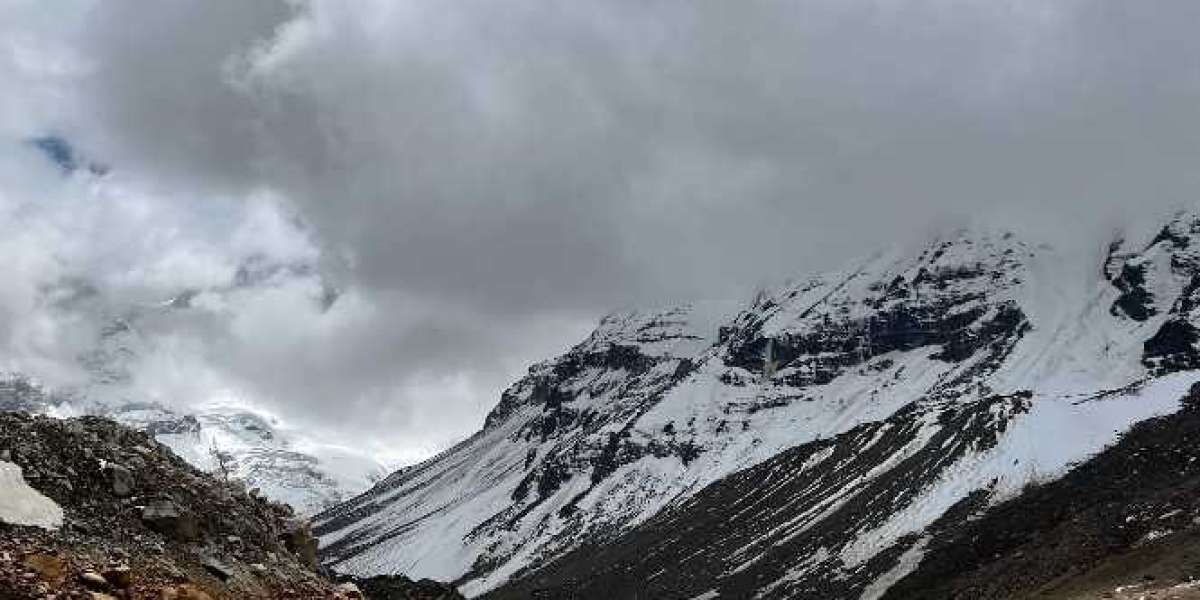

The Kedartal Trek often looks tempting in photos. A calm alpine lake, dramatic peaks, and barely any crowds. Sounds perfect, right?
But here’s the reality this trek is not designed for beginners.
Located near Gangotri in the Uttarkashi region, Kedartal sits at a high altitude of around 4,750 meters. Reaching it requires more than just enthusiasm. You need experience, preparation, and the ability to handle tough terrain.
This article gives you a clear and honest breakdown so you can decide if this trek is truly for you.
What Makes Kedartal Trek So Challenging?
Kedartal is not just another scenic trail. It combines multiple difficulty factors in one route.
The kedartal trek involves steep ascents right from the beginning. You don’t get a gradual warm-up phase like easier Himalayan treks. The trail also includes loose rocks, narrow sections, and exposed paths where a small mistake can be risky.
As you move higher, the terrain becomes rough and uneven. You often need to balance carefully, especially in landslide-prone zones. This constant physical and mental effort makes the trek demanding.
Even seasoned trekkers approach this route with caution.
Altitude Is the Real Game Changer
Most beginners underestimate altitude, and that’s where problems start.
Kedartal lies at nearly 4,750 meters. At this height, oxygen levels drop significantly. Your body needs time to adjust, but this trek gains altitude quickly.
This increases the risk of Acute Mountain Sickness.
Common symptoms include:
- Headache
- Nausea
- Loss of appetite
- Fatigue
You cannot ignore these signs. In severe cases, you may need to descend immediately.
This is why experience matters more than motivation on this trek.
Trek Route Overview
Understanding the route helps you see the real picture.
Gangotri to Bhoj Kharak
The trek begins from Gangotri. The trail moves through forest sections but quickly turns steep.
You gain altitude early, and the climb starts testing your stamina from day one.
Bhoj Kharak to Kedar Kharak
This section introduces more exposure. The trail becomes narrow and passes through unstable areas.
You need focus and careful footing here. The difficulty level increases noticeably.
Kedar Kharak to Kedartal
The final stretch is the toughest. You walk on rocky terrain and climb over boulders before reaching Kedartal.
By this point, thin air slows you down. Every step requires effort.
Can Beginners Do Kedartal Trek?
No.
Kedartal is not suitable for beginners.
If you have no prior trekking experience, this trek can feel overwhelming and unsafe. The combination of altitude, terrain, and continuous climbs makes it too challenging for first-timers.
Even physically fit individuals struggle here if they lack mountain experience.
A beginner should first attempt easier treks and build confidence before considering Kedartal.
What Level of Fitness Do You Need?
Kedartal demands strong physical conditioning.
You should be able to:
- Walk 6–8 km comfortably on uneven terrain
- Jog 4–5 km without stopping
- Handle long uphill climbs
Focus on improving stamina and leg strength before planning this trek.
However, remember this — fitness alone does not guarantee success. Your body’s response to altitude plays an equally important role.
Best Time to Visit Kedartal
Choosing the right season improves your chances of a safe trek.
May to June
This is one of the best times. The weather stays relatively stable, and the trail remains accessible.
September to October
Post-monsoon offers clear skies and sharp mountain views. Temperatures drop, but conditions remain manageable.
Avoid the monsoon season due to landslides and slippery paths. Winter trekking here requires technical skills and proper gear.
Essential Gear You Should Carry
Packing the right gear helps you handle tough conditions.
Important items include:
- Sturdy trekking shoes with strong grip
- Warm clothing for sub-zero temperatures
- Trekking poles for balance
- Rain protection
- Basic medical kit
Avoid carrying unnecessary weight. A heavy backpack makes steep climbs much harder.
Common Mistakes to Avoid
Many beginners make the same errors while planning this trek.
Overestimating fitness
Gym strength does not always translate to mountain endurance.
Ignoring altitude risks
Altitude sickness can affect anyone, regardless of experience.
Skipping preparation
Lack of training increases fatigue and reduces safety.
Choosing Kedartal as a first trek
This is the biggest mistake. The trek demands prior experience.
Better Alternatives for Beginners
If you are new to trekking, start with easier routes.
Popular beginner-friendly treks include:
- Kedarkantha
- Dayara Bugyal
- Nag Tibba
These treks offer gradual ascents, safer trails, and better acclimatization. They help you understand trekking basics before moving to difficult routes like Kedartal.
Final Verdict
Kedartal Trek is beautiful, raw, and rewarding. But it demands respect.
It is not a beginner-friendly trek. Without prior experience, proper fitness, and awareness of altitude risks, this trek can become dangerous.
Start small, build your skills, and gain confidence. Once you understand how your body performs in the mountains, you can come back for Kedartal.
Because in the Himalayas, reaching the destination matters less than returning safely.