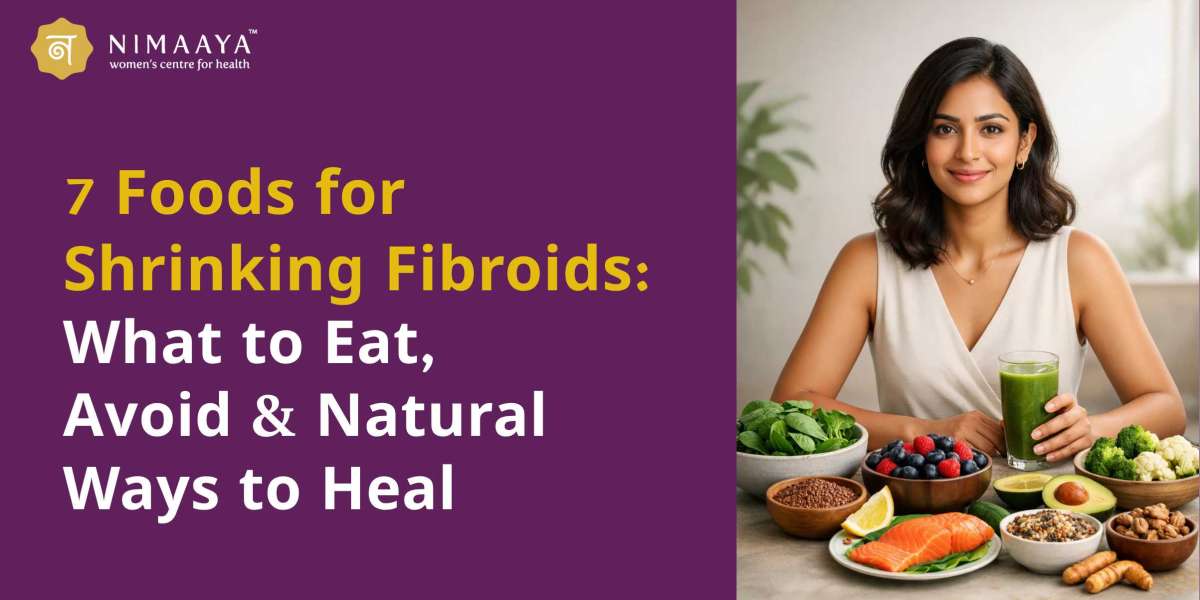

Understanding Fibroids and How Diet Plays a Key Role in Managing Them Naturally
Uterine fibroids are non-cancerous growths that develop in or around the uterus, often affecting women during their reproductive years. While they are usually benign, fibroids can cause symptoms like heavy periods, pelvic pain, bloating, and even fertility challenges. Hormonal imbalance—especially excess estrogen—is one of the primary reasons fibroids grow. This is where diet becomes extremely important.
The right foods can help regulate hormones, reduce inflammation, and support the body’s natural detoxification process. By making smart dietary choices, women can potentially slow fibroid growth and even shrink them over time. Women facing fertility issues related to fibroids often seek expert guidance at an IVF Center in Surat, where comprehensive reproductive care is available.
7 Foods for Shrinking Fibroids You Should Include in Your Daily Diet
If you are looking for natural ways to manage fibroids, incorporating the right foods into your daily routine can make a significant difference. These foods help balance hormones, reduce inflammation, and support overall uterine health.
1. Leafy Green Vegetables
Spinach, kale, and broccoli are rich in fiber, iron, and antioxidants that help detox excess estrogen from the body.
2. Berries
Blueberries, strawberries, and raspberries contain powerful antioxidants that reduce inflammation and support cellular health.
3. Whole Grains
Brown rice, oats, and quinoa help regulate blood sugar and hormone levels, which may prevent fibroid growth.
4. Citrus Fruits
Oranges, lemons, and grapefruits are high in vitamin C, boosting immunity and aiding detoxification.
5. Flaxseeds
Flaxseeds are rich in lignans that help balance estrogen levels naturally.
6. Legumes
Beans and lentils are excellent plant-based protein sources that support hormone balance.
7. Green Tea
Green tea contains antioxidants that may help reduce fibroid size and inflammation.
Women who continue to struggle with fibroid-related infertility may consider advanced treatments at an ivf hospital in baroda for better reproductive outcomes.
Foods to Avoid That May Worsen Fibroids
Certain foods can increase estrogen levels and inflammation, making fibroids grow faster. It’s important to limit processed foods, red meat, refined sugar, and high-fat dairy. These foods can disrupt hormonal balance and slow down the body’s ability to heal naturally. Reducing caffeine and alcohol intake may also help manage symptoms more effectively.
Natural Lifestyle Changes to Support Fibroid Shrinkage
In addition to diet, lifestyle changes play a vital role in managing fibroids. Regular exercise, stress management, and maintaining a healthy weight can significantly improve hormonal balance. Practices like yoga and meditation may also help reduce symptoms and improve overall well-being.
When to Seek Medical Help
While diet and lifestyle changes can help manage fibroids, some cases require medical attention. If you experience severe pain, heavy bleeding, or difficulty conceiving, it’s important to consult a specialist. Advanced care options are available at a Top IVF Center in ahmedabad, where personalized fertility treatments are offered.
What to Eat vs What to Avoid for Fibroid Management
A balanced approach to diet is essential when managing fibroids. Focus on whole, plant-based foods that are rich in nutrients and low in processed ingredients.
Eat More Of:
- Fresh fruits and vegetables
- Whole grains
- Nuts and seeds
- Herbal teas
Avoid or Limit:
- Processed foods
- Sugary snacks and beverages
- Red meat
- High-fat dairy products
Making consistent dietary changes can help create a hormonal environment that is less favorable for fibroid growth.
How Fibroids Affect Fertility and When IVF May Help
Fibroids can sometimes interfere with fertility depending on their size and location. They may block fallopian tubes, distort the uterus, or affect implantation, making it difficult to conceive naturally.
For women who are trying to conceive but facing complications due to fibroids, assisted reproductive technologies like IVF can provide hope. Consulting specialists at an IVF Center in Surat or an ivf hospital in baroda can help determine the best treatment plan based on individual needs.
Medical Treatments Alongside Natural Remedies
While natural remedies can support fibroid management, medical treatments may be necessary in moderate to severe cases. Options include medications to regulate hormones, non-invasive procedures, or surgical removal of fibroids.
Combining medical care with a healthy diet and lifestyle often yields the best results. Many women also explore fertility solutions at a Top IVF Center in ahmedabad, where advanced reproductive technologies improve the chances of successful pregnancy.
Conclusion: Take Control of Fibroids with the Right Diet and Care
Managing fibroids naturally starts with making informed dietary and lifestyle choices. Including the 7 foods for shrinking fibroids in your daily routine can help balance hormones, reduce inflammation, and support overall reproductive health.
However, every woman’s body is different, and some cases may require medical or fertility intervention. Seeking expert advice from Nimaaya at an IVF Center in Surat, an ivf hospital in baroda, or a Top IVF Center in ahmedabad ensures you receive the right diagnosis and personalized treatment plan.
With the right combination of nutrition, lifestyle changes, and medical care, it is possible to manage fibroids effectively and improve your overall quality of life.