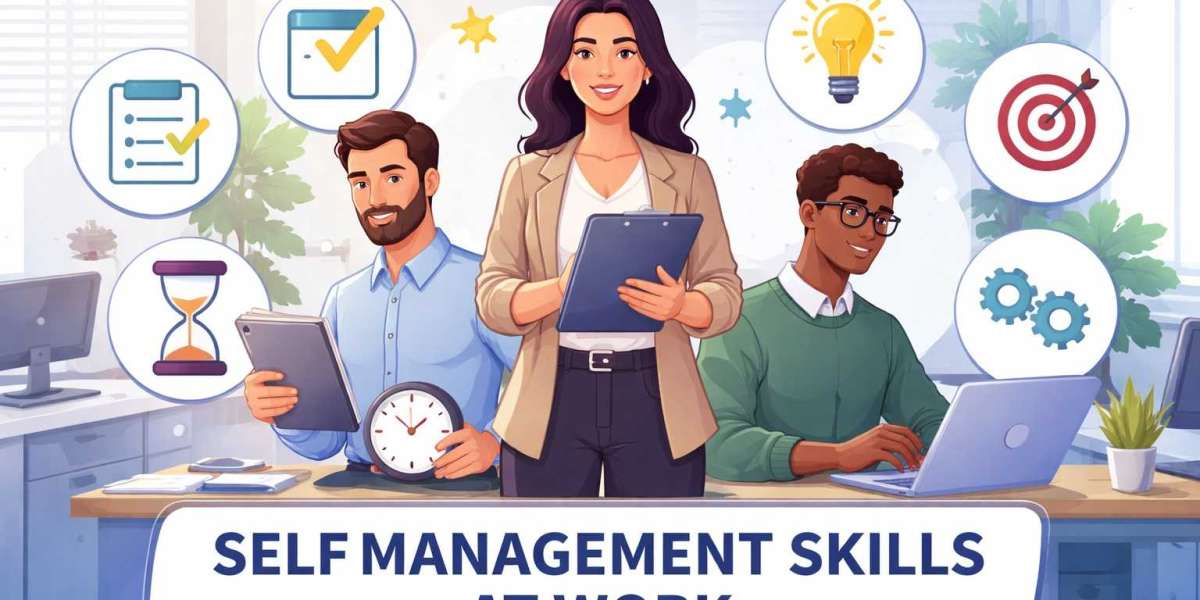

In a modern workplace filled with deadlines, multitasking, and constant communication, mastering self management skills at work is essential. These skills allow professionals to stay organized, manage time efficiently, and maintain focus even during high-pressure situations.
By strengthening your workplace self management skills, you not only improve your daily productivity but also position yourself for long-term career success. This article explores the importance of self management skills, provides practical self management skills examples, and highlights best practices for continuous improvement.
What Is Self Management in the Workplace?
Self management in the workplace refers to your ability to independently control your time, behavior, and emotions to achieve professional goals. It is about being responsible, disciplined, and proactive in handling your tasks.
Professionals with strong self management:
- Stay focused on priorities
- Complete tasks efficiently
- Adapt to challenges
- Maintain a positive work attitude
Importance of Self Management Skills
The importance of self management skills is critical in today’s work environment.
Improves Productivity
Efficient planning and execution lead to better results.
Builds Professional Trust
Employers value individuals who can manage themselves effectively.
Enhances Focus
Minimizing distractions increases efficiency.
Reduces Stress
Organized workflows prevent last-minute pressure.
Encourages Growth
Strong self management in the workplace supports career advancement.
Essential Workplace Self Management Skills
To succeed professionally, focus on these key workplace self management skills:
Time Management
Helps you prioritize tasks and meet deadlines.
Example: Allocating specific time slots for each task.
Self-Motivation
Keeps you driven without external pressure.
Emotional Intelligence
Improves communication and workplace relationships.
Goal Setting
Provides direction and keeps you focused.
Accountability
Builds trust and reliability.
Adaptability
Helps you adjust to workplace changes.
Organization
Improves efficiency and reduces confusion.
Self Management Skills Examples in Action
Here are practical self management skills examples you can apply:
- Planning your workday in advance
- Meeting deadlines consistently
- Staying calm under pressure
- Avoiding unnecessary distractions
- Taking initiative in projects
- Reflecting on your daily performance
- Keeping your workspace organized
These examples show how self management in the workplace improves overall performance.
Best Practices to Improve Self Management Skills at Work
Enhancing your self management skills at work requires consistent effort. Follow these best practices:
Set Clear Priorities
Focus on high-impact tasks first.
Create a Structured Routine
Consistency improves discipline and productivity.
Use Productivity Tools
Leverage apps and planners to track tasks.
Limit Multitasking
Concentrate on one task at a time for better results.
Practice Self-Reflection
Evaluate your performance regularly.
Maintain Work-Life Balance
Healthy habits improve focus and energy.
Benefits of Strong Self Management Skills
Developing workplace self management skills provides numerous benefits:
- Higher productivity
- Better time management
- Increased confidence
- Stronger professional relationships
- Reduced stress
- Greater career opportunities
Common Mistakes to Avoid
While building self management skills at work, avoid these mistakes:
- Procrastination
- Poor planning
- Ignoring priorities
- Multitasking excessively
- Avoiding accountability
Recognizing these mistakes helps improve your approach.
The Role of Self Management in Professional Success
Strong self management in the workplace is a key factor in professional success. It helps individuals:
- Take initiative
- Build leadership qualities
- Improve decision-making
- Handle responsibilities effectively
Employers often prioritize candidates who demonstrate these abilities.
Future of Workplace Self Management Skills
With the increasing adoption of remote work and flexible schedules, self management skills at work are becoming more important than ever. Employees must manage their time and productivity independently.
This makes workplace self management skills a critical requirement for success in the future workplace.
Conclusion
Mastering self management skills at work is essential for achieving productivity, reducing stress, and advancing your career. By understanding the importance of self management skills and applying practical self management skills examples, you can take control of your professional journey.
Start developing your workplace self management skills today and unlock new opportunities for growth and success.