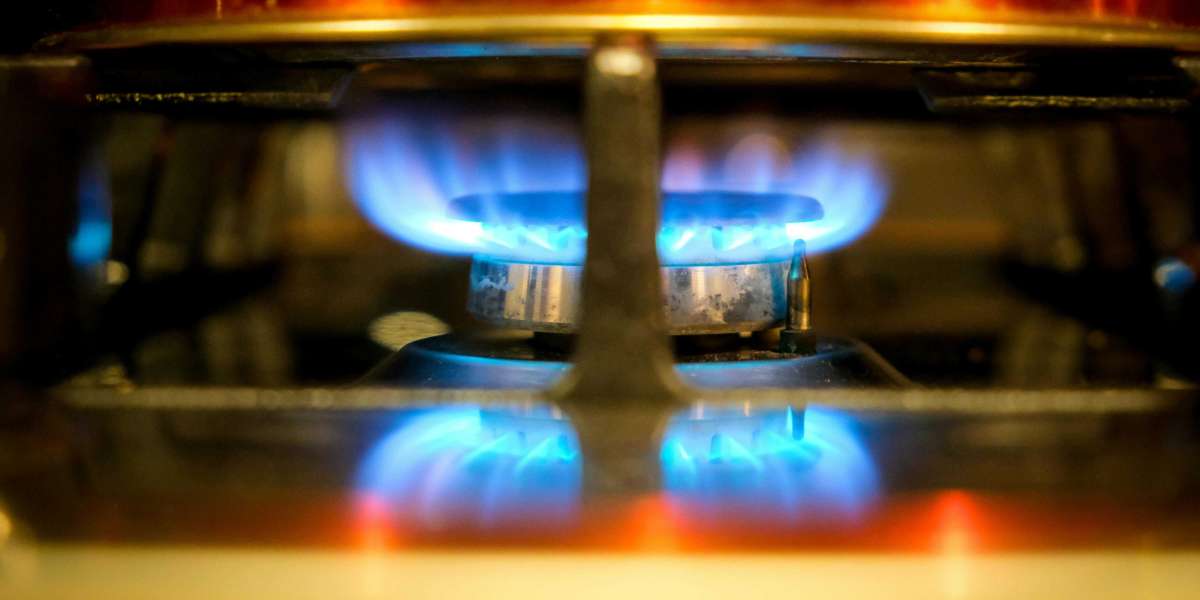

As winter approaches, homeowners across the country begin to think about keeping their homes warm, safe, and comfortable. One essential step in ensuring a cozy home is proper Residential heating Repair. Neglecting your heating system can lead to inefficient energy use, higher utility bills, and unexpected breakdowns during the coldest months. Preparing your home for winter isn’t just about adding insulation or weatherproofing windows—it starts with a well-maintained heating system.
In this article, we’ll explore why Residential heating Repair is crucial, common signs your system may need attention, and proactive steps to ensure your home stays warm all winter long.
Why Residential Heating Repair Matters
Your heating system is the backbone of your home’s winter comfort. Whether you rely on a furnace, boiler, or heat pump, regular maintenance and timely repairs are essential. Here’s why Residential heating Repair is so important:
- Energy Efficiency: A well-maintained heating system operates more efficiently, reducing energy waste and lowering your utility bills. Ignoring minor repairs can force your system to work harder, consuming more energy.
- Prevent Breakdowns: Cold winter nights are not the time for your heater to fail. Proactive Residential heating Repair reduces the risk of sudden malfunctions when you need warmth the most.
- Safety: Faulty heating systems, especially those using gas or oil, can pose safety hazards. Leaks or worn-out components can increase the risk of carbon monoxide exposure. Repairing issues promptly ensures your home remains safe.
- Extended Lifespan: Routine maintenance and repair prevent excessive wear and tear, helping your heating system last longer and delaying costly replacements.
Common Signs You Need Residential Heating Repair
Knowing the warning signs of a failing heating system is crucial for timely action. Homeowners should look out for the following:
- Uneven Heating: Rooms that are too hot or too cold may indicate airflow problems or issues with your thermostat.
- Strange Noises: Banging, rattling, or squealing sounds are a sign that your system needs professional inspection.
- Frequent Cycling: If your heater turns on and off more frequently than usual, it may be struggling to maintain the set temperature.
- Increased Energy Bills: A sudden spike in energy costs can indicate inefficiency caused by faulty components.
- Unpleasant Odors: Musty or burning smells coming from vents suggest dirt buildup or overheating parts.
If you notice any of these signs, scheduling Residential heating Repair before winter sets in is the best way to avoid inconvenience and potential hazards.
Steps to Prepare Your Home for Winter
Winter preparation goes beyond just repairing your heating system. Here are comprehensive steps to get your home winter-ready:
1. Schedule Professional Heating Inspection
A licensed HVAC technician can identify issues you might miss. Regular inspections include checking:
- Filters and ductwork for debris and leaks
- Thermostat functionality
- Electrical connections and components
- Pilot light and burner performance
- Heat exchanger integrity
Scheduling Residential heating Repair as part of a professional inspection ensures your system is optimized for winter performance.
2. Replace or Clean Air Filters
Dirty or clogged filters reduce airflow and strain your system. Depending on your heating system type, filters should be cleaned or replaced every 1–3 months. Fresh filters improve air quality and system efficiency.
3. Seal Windows and Doors
Drafts around windows and doors make your heating system work harder. Use weather stripping, caulk, or draft stoppers to prevent heat loss. Even small improvements in sealing can significantly boost energy efficiency.
4. Clean Vents and Radiators
Dust and debris in vents or radiators reduce heat circulation. Vacuum vents, wipe down radiator surfaces, and ensure furniture or curtains aren’t blocking airflow.
5. Check Your Thermostat
Consider upgrading to a programmable thermostat to manage temperature automatically. Programming lower temperatures while you sleep or are away can reduce heating costs without sacrificing comfort.
6. Inspect Your Chimney and Ventilation
If you use a furnace or boiler with venting, make sure chimneys and exhausts are clear of debris or blockages. Blocked vents can reduce efficiency and pose safety risks.
DIY vs. Professional Heating Repair
Some minor tasks like changing filters or sealing drafts can be handled by homeowners, but Residential heating Repair often requires a professional touch. HVAC technicians have the tools and expertise to:
- Diagnose hidden issues
- Repair or replace malfunctioning components
- Ensure safety compliance with gas or electrical systems
- Optimize system performance for peak efficiency
Attempting complex repairs yourself can be risky and may void warranties. Scheduling professional repair not only ensures safety but also saves money in the long run by preventing larger issues.
Benefits of Timely Residential Heating Repair
Investing in Residential heating Repair before winter brings multiple advantages:
- Consistent Comfort: Enjoy even, reliable warmth throughout your home.
- Lower Energy Costs: A repaired and maintained system consumes less energy.
- Fewer Emergency Repairs: Avoid last-minute breakdowns in freezing conditions.
- Increased Home Value: Efficient heating systems add value to your home, which is important if you plan to sell in the future.
- Peace of Mind: Knowing your home is prepared for winter reduces stress and ensures safety for your family.
Seasonal Maintenance Tips
Even after repairs, maintaining your heating system throughout the season is essential:
- Monthly Filter Checks: Inspect and replace filters as needed.
- Keep Vents Clear: Ensure furniture or curtains aren’t obstructing airflow.
- Monitor Energy Usage: Unusual spikes can indicate system problems.
- Regular Cleaning: Dust vents, radiators, and the furnace area to prevent dirt buildup.
These small steps complement professional Residential heating Repair and prolong the life of your system.
When to Consider Replacement
Sometimes repair isn’t enough. If your system is over 15–20 years old, requires frequent repairs, or still struggles to heat your home after maintenance, it may be time for a replacement. Modern systems are more energy-efficient and environmentally friendly, offering long-term savings.
Conclusion
Preparing your home for winter starts with proactive attention to your heating system. Residential heating Repair ensures that your home stays warm, energy-efficient, and safe throughout the season. From professional inspections to routine maintenance, taking these steps now can prevent costly emergency repairs and keep your family comfortable.
Don’t wait until the cold sets in—schedule your heating repair today and enjoy a worry-free winter. Your comfort and safety are worth it.






