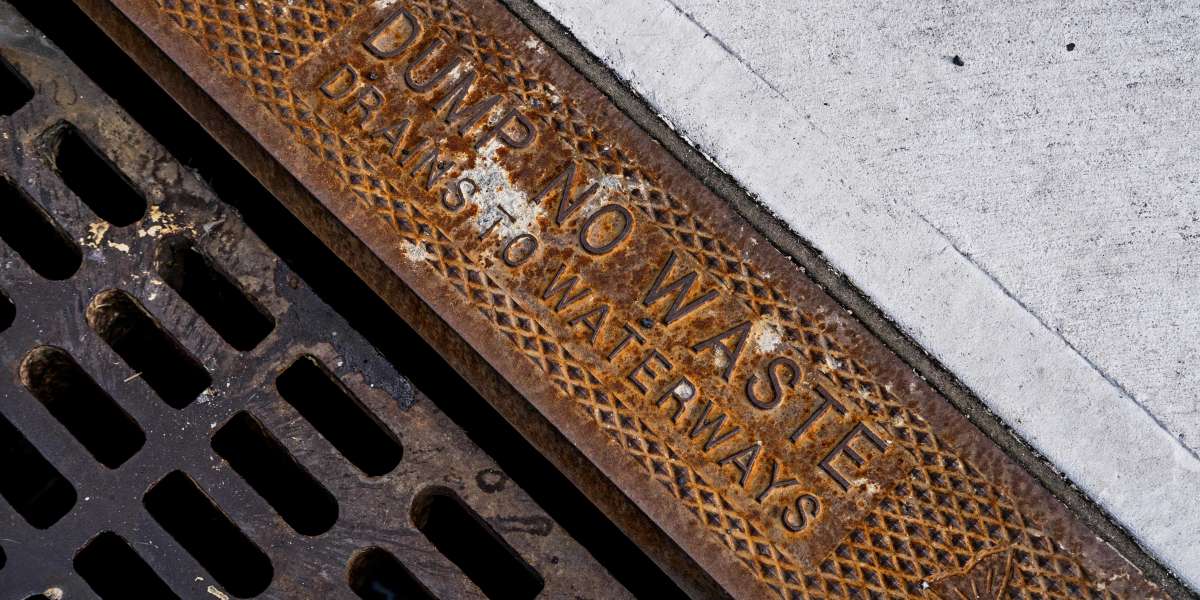

A well-maintained drainage system is essential for keeping your home safe from water damage, mold, and foundation issues. Many homeowners underestimate the importance of proper water management, but with regular attention and professional support, you can avoid costly repairs down the line. If you’re looking to protect your property, understanding the essentials of residential drainage services is crucial.
Why Proper Drainage Matters
Water is one of the leading causes of home damage. Poor drainage can lead to:
- Foundation issues: Standing water can erode soil and compromise the stability of your home’s foundation.
- Basement flooding: Without proper drainage, water can seep into basements, causing structural damage and creating a breeding ground for mold.
- Landscape damage: Excess water can destroy gardens, lawns, and other landscaping features.
- Health hazards: Stagnant water can attract pests and increase the risk of mold growth, affecting indoor air quality.
By investing in regular maintenance and professional residential drainage services, you can prevent these problems and extend the life of your home.
Common Components of a Home Drainage System
Understanding your drainage system helps you spot potential issues early. Key components include:
- Gutters and downspouts – Direct water away from the roof and foundation.
- French drains – Subsurface drains that prevent water from pooling in low areas.
- Surface drains – Grates or channels that capture runoff from patios, driveways, and yards.
- Sump pumps – Remove excess water from basements or crawl spaces.
- Grading and sloping – Proper landscaping ensures water flows away from your home.
Professional residential drainage services can inspect these components and recommend improvements or repairs to optimize water management.
Expert Tips for Maintaining Your Drainage System
Here are practical steps homeowners can take to ensure their drainage systems remain effective:
1. Regularly Clean Gutters and Downspouts
Leaves, dirt, and debris can clog gutters, preventing water from flowing freely.
- Inspect gutters at least twice a year.
- Remove debris using a scoop or gloved hands.
- Flush downspouts with water to ensure proper flow.
Clogged gutters are a common reason for basement leaks and roof damage, making this simple maintenance task critical.
2. Inspect and Maintain Sump Pumps
Sump pumps protect basements from flooding, especially during heavy rain.
- Test your pump by pouring water into the sump pit to ensure it activates.
- Clean the pit and remove any debris that could block the pump.
- Consider a backup battery pump for areas prone to power outages.
A well-functioning sump pump is an essential part of reliable residential drainage services.
3. Ensure Proper Grading Around Your Home
Water should naturally flow away from your foundation.
- Check that soil around your home slopes at least 6 inches over 10 feet.
- Avoid piling soil against the foundation, which can trap water.
- Use landscaping features like swales or retaining walls to redirect water.
Proper grading reduces the risk of water pooling near your home, protecting both foundation and basement.
4. Maintain French Drains and Other Subsurface Systems
French drains are effective for diverting water away from problem areas.
- Inspect them annually for blockages.
- Remove sediment buildup and flush the pipes if needed.
- Repair any collapsed or damaged sections promptly.
Professional residential drainage services can help with installation and maintenance to ensure these systems function optimally.
5. Install and Inspect Surface Drains
Driveways, patios, and low-lying yards often require surface drains to prevent water accumulation.
- Keep grates clear of debris.
- Check for signs of pooling during rain.
- Ensure drains connect to a proper outflow system.
Surface drains complement your overall drainage strategy, especially in areas prone to heavy rainfall.
6. Monitor Roof and Flashing Conditions
Water can enter your home through damaged roofs or flashing.
- Inspect shingles for damage or missing sections.
- Check flashing around chimneys, skylights, and vents.
- Repair or replace damaged areas promptly.
This step is critical for preventing water from reaching your home’s interior and causing further drainage problems.
7. Schedule Professional Inspections
Even with regular DIY maintenance, it’s wise to schedule professional inspections.
- Experts can detect hidden leaks, soil erosion, or structural issues.
- They provide tailored solutions, from minor repairs to full system upgrades.
- Many residential drainage services offer seasonal checkups to keep systems in peak condition.
Professional intervention ensures your drainage system works efficiently and protects your home year-round.
Signs Your Drainage System Needs Attention
Be alert for warning signs that indicate your system may need repair:
- Standing water in your yard or near the foundation
- Frequent basement dampness or flooding
- Water stains on walls or ceilings
- Erosion around landscaping or driveways
- Slow-draining sinks, toilets, or outdoor drains
Ignoring these signs can lead to costly repairs. Contact professional residential drainage services as soon as issues arise.
Benefits of Professional Residential Drainage Services
Engaging professionals offers several advantages:
- Expert evaluation: They identify potential problems before they escalate.
- Proper installation: Ensures drainage components are correctly installed for optimal performance.
- Long-term protection: Helps prevent foundation damage, flooding, and water-related structural issues.
- Peace of mind: Knowing your home is protected from water damage reduces stress during heavy rainfall.
Conclusion
Maintaining your home’s drainage system is essential for protecting your property and ensuring long-term durability. Regular cleaning, proper grading, and professional inspections are key steps in a proactive drainage maintenance plan. By investing in expert residential drainage services, you not only safeguard your home from costly damage but also enhance its overall value and longevity.
Taking the time to care for your drainage system today prevents bigger headaches tomorrow. Don’t wait for water problems to arise—start maintaining your home’s drainage system and enjoy peace of mind all year round.