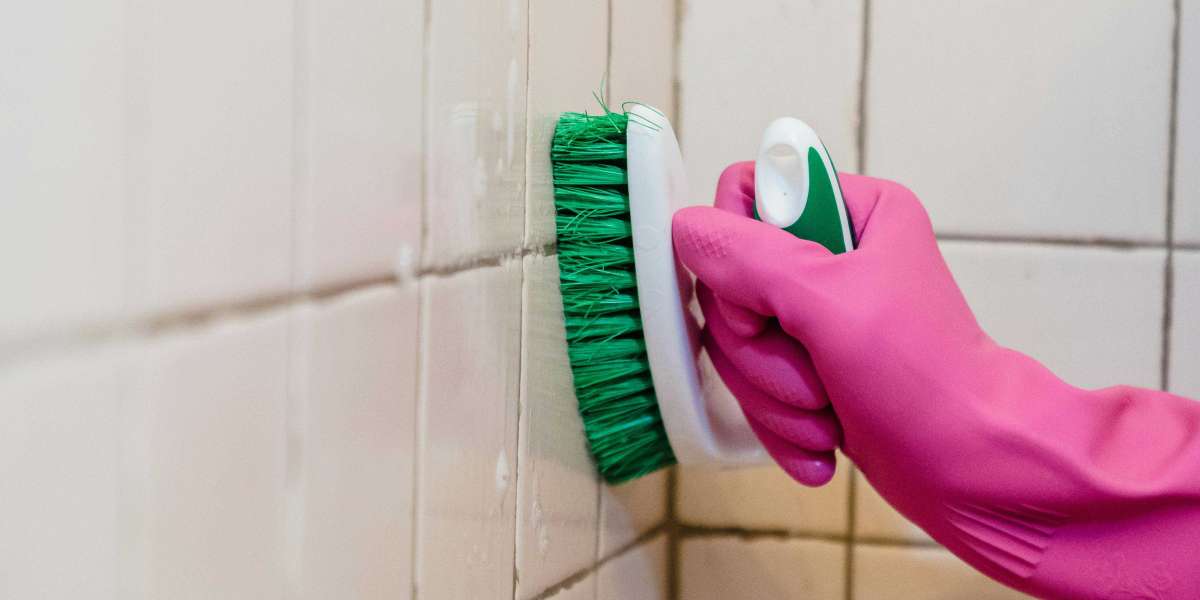

Mold is one of the most persistent and sneaky problems in homes and commercial properties. While some signs are obvious—like visible black or green spots—mold often hides in places where homeowners rarely look. Left untreated, mold removal services can cause structural damage and pose serious health risks. Understanding the common hiding spots and how professionals tackle mold is essential for maintaining a safe, healthy environment.
Why Mold Hides and Where It Thrives
Mold is a fungus that thrives in damp, warm, and poorly ventilated areas. Even the cleanest homes can develop mold if there’s a moisture problem. The reason mold hides is simple: it needs moisture, darkness, and organic material to grow. Walls, ceilings, and floors often conceal these ideal conditions. Mold spores are microscopic and can travel through the air, settling in unexpected areas, which makes professional intervention necessary.
Here are the most common areas where mold tends to hide:
1. Bathrooms and Kitchens
Bathrooms and kitchens are prime locations for hidden mold due to constant moisture exposure. Common spots include:
- Behind tiles and under grout lines
- Around faucets, sinks, and drains
- Inside cabinets under sinks
- Behind walls with water pipes
Even a small leak under the sink or behind tiles can create a perfect breeding ground for mold.
2. Basements and Crawl Spaces
Basements and crawl spaces often have high humidity levels, poor ventilation, and occasional water intrusion. Mold can develop:
- On wooden beams and floor joists
- On stored cardboard boxes or fabrics
- Around windows or basement walls with water seepage
These areas are often overlooked during routine cleaning, allowing mold to grow undetected.
3. Attics and Roof Spaces
Attics are prone to hidden mold because they are usually dark and poorly ventilated. Leaks in the roof or improper insulation can lead to condensation and moisture buildup. Mold frequently appears:
- On wooden rafters and beams
- Around HVAC ducts
- On insulation materials
Professional inspections can detect even the smallest infestations before they spread.
4. HVAC Systems and Air Ducts
Air conditioning and heating systems circulate air throughout the property, which can also spread mold spores. Mold often grows:
- Inside air ducts
- Around the HVAC drip pan
- On filters and vents
If not addressed, these hidden mold spots can reduce indoor air quality and trigger allergies or respiratory issues.
5. Walls, Ceilings, and Behind Wallpaper
Mold can develop behind drywall, wallpaper, or paneling if moisture is present. Common causes include plumbing leaks, roof leaks, or condensation. Signs of hidden mold behind walls include:
- Musty odors
- Discoloration or bubbling paint
- Soft or damp drywall
These areas require professional tools to detect and remove mold without damaging the structure.
6. Carpets and Flooring
Spills, floods, or high humidity can cause mold to grow under carpets and flooring. Mold often develops:
- Under rugs and wall-to-wall carpeting
- Beneath hardwood or laminate floors
- Around edges of flooring near moisture sources
Removing mold from flooring typically requires lifting carpets or floorboards to fully treat the affected area.
How Professionals Handle Hidden Mold
Attempting DIY mold removal can be risky, especially in hidden or widespread infestations. Professional Mold Removal Services use specialized techniques and equipment to ensure safe and effective remediation.
1. Inspection and Assessment
The first step is a thorough inspection. Professionals look for visible mold and use moisture meters, infrared cameras, and air quality tests to locate hidden mold. This helps them determine the extent of the problem and identify the source of moisture.
2. Containment
Once mold is located, professionals use containment strategies to prevent spores from spreading. This may include:
- Sealing off affected areas with plastic sheeting
- Using negative air pressure systems
- Removing contaminated materials safely
Containment ensures that mold does not spread to other areas during the cleanup process.
3. Removal and Cleaning
The removal process depends on the surface affected. Professionals may:
- Scrub mold from hard surfaces with specialized cleaning agents
- Remove and safely dispose of porous materials like drywall, insulation, or carpets
- Use HEPA vacuuming to capture mold spores from the air
These steps ensure that both visible and hidden mold is eradicated.
4. Moisture Control and Prevention
After mold removal, addressing the source of moisture is crucial. Professionals may recommend:
- Fixing leaks in plumbing or roofing
- Installing dehumidifiers or improving ventilation
- Applying anti-microbial treatments to prevent future growth
This proactive approach helps prevent mold from returning.
5. Post-Remediation Verification
Finally, professionals conduct post-remediation testing to confirm that mold levels are safe. This ensures a healthy environment and peace of mind for property owners.
Why Hiring Professional Mold Removal Services is Important
While some minor mold spots can be cleaned at home, hidden or widespread mold infestations require professional attention. Benefits of hiring experts include:
- Safe and thorough removal of mold
- Prevention of health risks such as allergies, asthma, and respiratory problems
- Protection of property from structural damage
- Assurance that the mold problem will not recur
Trying to remove hidden mold without professional equipment or expertise can make the problem worse, spreading spores to unaffected areas.
Preventing Hidden Mold Growth
Even after professional remediation, preventing mold requires ongoing vigilance:
- Keep indoor humidity below 50%
- Fix leaks promptly
- Ensure proper ventilation in bathrooms, kitchens, and attics
- Use mold-resistant materials when renovating
- Regularly inspect areas prone to moisture
Regular maintenance and inspections can help catch mold early, reducing the need for extensive remediation.
Conclusion
Mold can hide in many unexpected areas, from basements and attics to behind walls and under flooring. Understanding these common hiding spots and how professionals handle mold is key to maintaining a safe, healthy home. Mold Removal Services provide comprehensive inspection, removal, and prevention strategies that protect both your property and your family’s health.