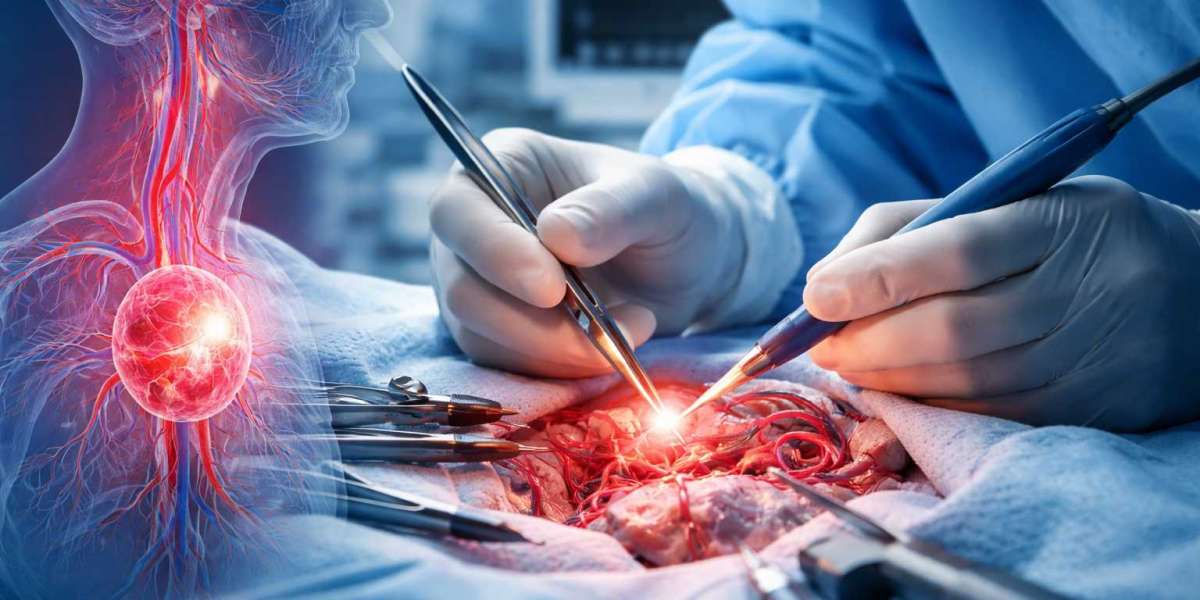

Vascular tumours are abnormal growths that arise from blood vessels or lymphatic vessels. They can occur in different parts of the body, including the skin, soft tissues, and internal organs. While some vascular tumours are benign and slow-growing, others may be more aggressive and require timely medical intervention. One of the most common concerns among patients is whether these tumours can be detected before symptoms appear. Early detection plays a crucial role in improving outcomes, especially when it comes to complex areas like the head and neck.
Understanding Vascular Tumours
Vascular tumours develop due to abnormal proliferation of blood vessels. These can range from relatively harmless conditions like hemangiomas to more serious forms such as angiosarcomas. The behaviour of these tumours depends on their type, size, and location. In many cases, vascular tumours grow silently, without causing noticeable discomfort or visible signs in the early stages.
This silent growth is what makes early detection challenging. Unlike some other conditions that produce obvious warning signs, vascular tumours may remain unnoticed until they reach a size or stage where they begin to affect surrounding tissues.
Can Vascular Tumours Exist Without Symptoms?
Yes, vascular tumours can exist without symptoms, especially in their early stages. This is more common in tumours located deep within the body or in areas that do not immediately affect vital functions. For example, a small vascular tumour in soft tissue may not cause pain, swelling, or visible changes initially.
In such cases, the tumour may only be discovered incidentally during imaging tests done for unrelated reasons, such as a CT scan or MRI performed for another health concern. This highlights the importance of routine health check-ups and diagnostic imaging in certain situations.
Why Early Detection Is Difficult
There are several reasons why vascular tumours can go undetected without symptoms:
- Slow Growth Rate: Some vascular tumours grow very slowly, delaying the onset of symptoms.
- Hidden Locations: Tumours located internally may not be visible or palpable.
- Non-Specific Signs: Early symptoms, if present, may be vague and easily overlooked, such as mild discomfort or fatigue.
- Lack of Awareness: Many people are not familiar with vascular tumours, leading to delays in seeking medical advice.
Because of these factors, early detection often depends on clinical suspicion and the use of advanced diagnostic tools.
Diagnostic Methods for Early Detection
Even in the absence of symptoms, vascular tumours can sometimes be identified through medical imaging and screening techniques. These include:
1. Imaging Tests
- Ultrasound: Useful for detecting superficial vascular lesions.
- MRI (Magnetic Resonance Imaging): Provides detailed images of soft tissues and helps in identifying tumour size and extent.
- CT Scan: Often used for deeper structures and to assess involvement of surrounding areas.
2. Biopsy
If a suspicious lesion is found, a biopsy may be performed to determine the nature of the tumour. This helps in distinguishing between benign and malignant forms.
3. Angiography
This specialized imaging technique evaluates blood vessels and can help in diagnosing vascular abnormalities, especially when planning treatment.
Risk Factors That May Prompt Early Screening
While routine screening for vascular tumours is not common for the general population, certain individuals may benefit from closer monitoring:
- Family history of vascular or soft tissue tumours
- Previous history of radiation exposure
- Genetic conditions affecting blood vessels
- Persistent unexplained lumps or swelling
In such cases, doctors may recommend periodic imaging or evaluation to rule out any abnormalities.
Signs That Should Not Be Ignored
Even though vascular tumours can be asymptomatic, some subtle signs may eventually appear. These should not be ignored:
- Unexplained swelling or lump
- Changes in skin color (reddish or bluish patches)
- Persistent pain in a specific area
- Bleeding or ulceration in advanced cases
- Difficulty in movement or function if located near joints or muscles
Early medical consultation can help in identifying the issue before it progresses.
Importance of Early Detection in Head and Neck Region
Vascular tumours in the head and neck region require special attention due to the complexity of structures involved. Even a small tumour in this area can impact vital functions such as breathing, swallowing, or speaking.
Early detection becomes particularly important here, as treatment at an early stage is often less invasive and more effective. In such cases, seeking guidance related to vascular tumor treatment in Ahmedabad can help patients access timely evaluation and appropriate care.
Additionally, consulting the best head and neck oncologist in Ahmedabad ensures that the diagnosis and treatment plan are tailored according to the tumour type and location, minimizing risks and improving outcomes.
Treatment Options
The treatment of vascular tumours depends on several factors, including type, size, location, and whether the tumour is benign or malignant. Common approaches include:
- Observation: Small, benign tumours may only require monitoring.
- Medications: Certain drugs can help shrink vascular tumours.
- Surgery: Removal of the tumour may be necessary in many cases.
- Embolization: A procedure to block blood supply to the tumour.
- Radiation Therapy: Used in specific cases, particularly for malignant tumours.
Early detection often allows for less aggressive treatment and better recovery.
Can Screening Be Done Without Symptoms?
Routine screening for vascular tumours without symptoms is not typically recommended for everyone. However, targeted screening may be considered in high-risk individuals or when there is a clinical suspicion based on subtle findings.
Advancements in imaging technology have made it easier to detect abnormalities even before symptoms develop. This is particularly beneficial in complex anatomical regions where early-stage tumours might otherwise go unnoticed.
Final Thoughts
Vascular tumours can indeed be present without causing any symptoms, especially in their early stages. While this makes detection challenging, modern diagnostic tools and increased awareness have improved the chances of identifying these tumours early.
Paying attention to subtle changes in the body, undergoing regular health check-ups when necessary, and seeking medical advice for unexplained symptoms are key steps in early detection. For individuals concerned about potential risks, especially in sensitive areas like the head and neck, exploring options for vascular tumor treatment in Ahmedabad and consulting the best head and neck oncologist in Ahmedabad can support timely diagnosis and effective management.
Early awareness and proactive healthcare decisions remain the most effective ways to address vascular tumours before they become a serious concern.